One common question among those seeking to manage their weight is, “Do fat cells ever go away?” Understanding how fat cells work can help clarify this question and assist in developing realistic expectations for weight loss and body management. In essence, once you acquire a fat cell, it typically remains in the body for life. However, the size of fat cells can change dramatically depending on several factors.
Do Fat Cells Ever Go Away?
Fat cells, or adipocytes, are specialized cells designed to store energy. Unlike other cells that deteriorate and disappear over time, fat cells have remarkable staying power. They do not vanish, but they can shrink with weight loss, making an individual appear leaner. This reduction in size occurs when the energy stored in these cells is released to meet the body’s energy demands. When you consume fewer calories than your body needs for daily activities, your system taps into the stored energy within fat cells, leading to their shrinkage.
The Growth and Shrinkage of Fat Cells
Throughout your life, the number of fat cells in your body remains relatively stable. The body primarily accumulates fat cells during two critical growth periods: childhood and adolescence. Once these cells are formed, their numbers are generally set. However, they do swell or dwindle in size based on your caloric intake and expenditure.
When you consume more calories than you burn, these fat cells enlarge, making your body look larger. On the flip side, engaging in physical exercise and maintaining a balanced diet can help you lose weight as fat cells diminish in size. Exercise and diet play crucial roles in the energy balance equation. Learn more about weight management strategies here.
Can Fat Cells be Destroyed?
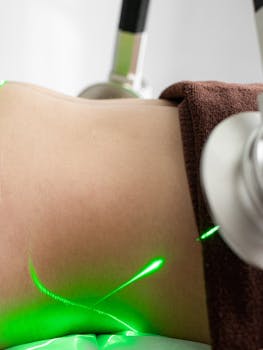
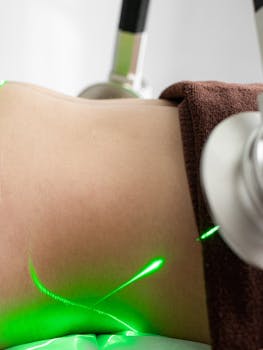
While traditional weight loss shrinks fat cells, there are cosmetic procedures aimed at reducing the number of fat cells. Techniques like cryolipolysis (fat freezing) and laser lipolysis target and eliminate fat cells from specific body areas. However, these methods are not substitutes for a healthy lifestyle and should be viewed as enhancements rather than primary weight loss strategies.
Factors Affecting Fat Cell Behavior
Several factors influence how fat cells behave. Genetics plays a considerable role in determining an individual’s propensity to gain or lose weight in specific areas. Hormones also affect fat distribution and storage, explaining differences seen across gender and life stages.
Moreover, lifestyle choices such as diet and exercise significantly impact fat cell size. Consistent physical activity boosts metabolism and aids in maintaining a healthy balance between calories consumed and calories burned.
Impact of Diet on Fat Cells
A balanced diet is essential in managing the size of fat cells. Consuming a diet rich in whole foods, lean proteins, healthy fats, and complex carbohydrates supports energy needs without causing excessive fat storage. Conversely, diets high in sugar and processed foods can lead to an increase in fat cell size.
The Role of Exercise in Fat Management
Exercise is an effective strategy for reducing the size of fat cells. Activities that boost cardiovascular health, including running, swimming, and cycling, help create a calorie deficit, encouraging the body to use stored energy in fat cells. Additionally, strength training builds muscle, which can increase metabolic rate, further aiding in weight management.
Long-Term Weight Loss and Fat Cell Management
Maintaining long-term weight loss requires a committed approach to healthy living, balancing diet and exercise. It’s important to set realistic goals and understand that fat cells do not disappear but shrink, influencing body silhouette and health outcomes. By focusing on a sustainable lifestyle, individuals can keep the fat cell size in check and enhance their overall well-being.
An essential component of weight management is mindfulness about lifestyle changes that are consistent and long-lasting. Approaching weight management with the knowledge that fat cell numbers are stable but their size can be managed helps create achievable and sustainable health goals.
In conclusion, the answer to the question, “Do fat cells ever go away?” lies in understanding that while fat cells remain, their size is under your control through lifestyle choices. Healthy habits contribute not only to a reduction in fat cell size but also to improved overall health.
- Fat cells, once developed, remain in the body, but they can change size.
- Weight loss mainly results from the shrinking of fat cells, not their disappearance.
- Diet and exercise are key to shrinking fat cells and managing weight.
- Cosmetic procedures can reduce fat cell numbers but aren’t substitutes for healthy living.
- Hormones and genetics influence fat distribution and storage.
Frequently Asked Questions
Can you ever permanently remove fat cells?
Yes, through certain cosmetic procedures like liposuction, fat cells can be permanently removed from specific areas. However, these procedures are not replacements for a healthy lifestyle, which is necessary for overall weight management.
Why do fat cells shrink?
Fat cells shrink when the body requires more energy than available through food intake. The body taps into stored fat in fat cells, utilizing it for energy, causing the cells to shrink.
How do genetics affect fat cells?
Genetics can determine where your body is predisposed to store fat and how easily you might gain or lose weight. While you cannot change your genetics, diet and exercise can help manage the size of fat cells.
What role does diet play in fat cell management?
A diet focused on whole foods, lean proteins, and complex carbohydrates supports maintaining an optimal fat cell size. High sugar and processed food diets may lead to larger fat cells and weight gain.
Where can I learn more about health and fat management?
For more detailed information, consider visiting credible sources such as the Wikipedia Health page for information on general health practices and principles.