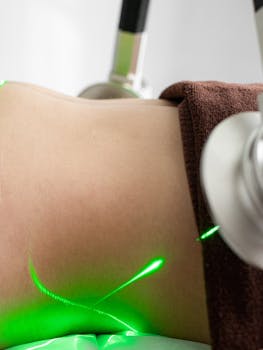
When considering aesthetic treatments, one common question that comes up is, “does Morpheus8 hurt?” This non-surgical skin rejuvenation technology combines microneedling with radiofrequency energy to address issues like fine lines, wrinkles, and sagging skin. For those curious about the sensation of the treatment, understanding what to expect in terms of pain or discomfort is essential in making an informed decision.
Does Morpheus8 Hurt? Understanding the Experience
Morpheus8 treatments are designed to be as comfortable as possible, but individuals may experience varying degrees of sensation. The procedure uses ultrafine needles to penetrate the skin, delivering radiofrequency energy to stimulate the production of collagen. Most patients report that Morpheus8 is not considered notoriously painful, describing the sensation as mild to moderate with some pressure during the application.
Prior to the procedure, a topical anesthetic is typically applied to minimize discomfort. This numbing agent helps reduce any sharp sensations associated with the microneedles. The radiofrequency energy might be felt as a light warmth, adding a soothing aspect to the treatment.
Factors Influencing Discomfort
Despite being a largely tolerable experience, certain factors can influence the level of pain or discomfort felt during Morpheus8 treatments. These include individual pain thresholds, skin sensitivity, and the specific area being treated. Areas with thinner skin might be more sensitive, potentially causing the sensation to be slightly more pronounced compared to thicker-skinned areas.
Clinicians can adjust the depth and intensity of the treatment based on the patient’s comfort level, allowing a personalized approach that balances efficacy with comfort.
Patient Experiences: Is Morpheus 8 Painful?
Feedback from individuals who have undergone Morpheus8 treatments varies, but the consensus tends to lean towards the treatment being bearable. Most patients describe the feeling as more of an annoyance than actual pain. The sensation is often compared to a prickling or tingling feeling, which is generally well-tolerated due to the numbing cream applied beforehand.
Post-treatment, some degree of redness, swelling, or minor bruising is common, which is similar to the after-effects of a sunburn. These symptoms are temporary and typically resolve within a few days.
For additional context on how Morpheus8 compares to other procedures, you might find it helpful to explore our article on Liposuction’s pain profile and outcomes.
Managing Post-Treatment Sensations
After a Morpheus8 session, patients might experience mild discomfort as the numbing effects subside. Over-the-counter pain relievers, such as ibuprofen or acetaminophen, can help alleviate any lingering tenderness. Patients are encouraged to apply cool compresses to soothe the treated areas and use gentle moisturizers to aid in skin recovery.
As with any dermatological treatment, following the clinician’s aftercare instructions is crucial for optimal results and minimizing discomfort.
The Broader Context: What to Know and Final Thoughts
In conclusion, does Morpheus8 hurt? The treatment is generally well-tolerated and patient reports suggest that any discomfort is temporary and manageable. It offers a mid-level option for those seeking skin rejuvenation without the pain typically associated with more invasive procedures.
For more scientific insight into skin health and treatment perceptions, consider visiting the Health information on Wikipedia.
- Morpheus8 involves microneedling with radiofrequency energy, which may cause mild to moderate sensation.
- Topical anesthetics are used to minimize discomfort during the procedure.
- Patient experiences can vary based on pain tolerance and the area being treated.
- Aftercare involves cooling and moisturizing the skin to aid recovery.
- The treatment offers a less painful alternative compared to surgical options.
FAQ Section
Is Morpheus8 safe for all skin types?
Yes, Morpheus8 is generally considered safe for all skin types, but a consultation with a dermatologist is recommended to discuss individual suitability.
How many sessions are typically required?
Most patients need 1 to 3 sessions, spaced about 4 to 6 weeks apart, to achieve desired results.
What areas of the body can be treated with Morpheus8?
Morpheus8 can be used on various parts of the body, including the face, neck, and abdomen, to address signs of aging and improve skin texture.
Can I combine Morpheus8 with other treatments?
Combining Morpheus8 with other treatments such as fillers or Botox is possible, but should be done under the guidance of a skilled practitioner.
What should I avoid after a Morpheus8 treatment?
Patients are advised to avoid direct sun exposure, strenuous exercise, and harsh skin products for a few days following the treatment.