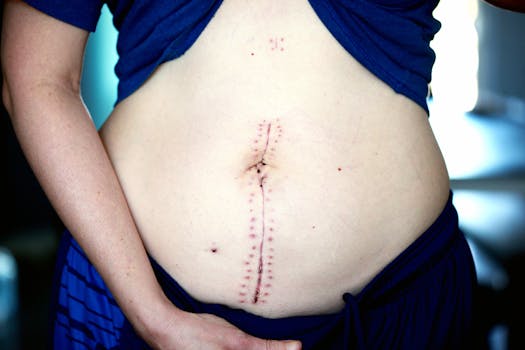
Undergoing breast augmentation can be a life-changing experience for many individuals. However, the prospect of dealing with breast augmentation scar removal is a common concern. Scarring is a natural part of the healing process, but there are effective solutions to minimize their appearance and help you feel confident in your skin.
Understanding Breast Augmentation Scar Removal
The term “breast augmentation scar removal” refers to various methods designed to reduce or eliminate the visibility of scars resulting from breast enhancement procedures. While complete removal might not be possible, significant improvements in scar appearance can be achieved through several innovative treatments.
Non-Surgical Solutions
For many individuals, non-surgical treatments offer the first line of defense in scar management. These methods can be effective when used consistently and under the guidance of a healthcare professional.
- Topical Treatments: Silicone gels and sheets are among the most popular non-surgical options. These products can help flatten and fade scars over time.
- Creams and Ointments: Formulations containing ingredients like vitamin E, onion extract, or peptides are believed to support skin healing and improve scar appearance.
- Laser Therapy: Laser treatments can help reduce scar thickness and discoloration. This method is especially effective for more mature scars.
- Chemical Peels: By removing the top layers of the skin, chemical peels can help in promoting new, healthy skin growth, potentially improving scar appearance.
Surgical Options
If non-surgical methods are insufficient, surgical options may be considered to make scars less noticeable. It’s essential to consult a board-certified surgeon to explore the best course of action for your specific case.
- Scar Revision Surgery: This involves excising the scar and closing it in a way that may result in a less visible, finer scar.
- Fat Grafting: This technique involves injecting fat into the affected area, which can help plump and soften scars.
Prevention and Care Tips
Prevention plays a critical role in managing scar development after breast augmentation surgery. Here are some precautionary steps you can take:
- Follow Post-Operative Instructions: Adhering to your surgeon’s aftercare guidelines is crucial for proper healing and minimizing scar formation.
- Protect the Wound: Keep the surgical area clean and protected from the sun’s UV rays, which can darken scars.
- Stay Hydrated and Eat Healthily: A nutrition-rich diet supports the body’s healing processes and skin regeneration.
For additional insights on managing scar tissue, you might find our expert tips and FAQs on scar tissue removal helpful.
Consulting with Professionals
It’s imperative to consult with a healthcare provider or a dermatologist when considering breast augmentation scar removal techniques. They can tailor a treatment plan based on your skin type and the nature of your scars.
Monitoring Your Progress
Understanding that scar improvement takes time is important. Regularly documenting the changes in your scars can help you and your healthcare provider assess the effectiveness of the treatments.
For more information about skin health and treatments, the health information on Wikipedia can be a valuable resource. Remember, every scar and individual heals differently; patience and consistency are key to seeing progress.
- There are multiple methods available for reducing the visibility of breast augmentation scars.
- Non-surgical options include silicone gels and laser therapy.
- Surgical options like scar revision surgery are also available.
- Prevention and proper aftercare are crucial for minimizing scar formation.
- Consult with healthcare providers for personalized scar management plans.
FAQ
What are the most effective non-surgical treatments for breast augmentation scars?
Some effective non-surgical treatments include silicone gels, laser therapy, and certain topical creams that help reduce the appearance of scars over time.
Can scars from breast augmentation be completely removed?
While complete removal is unlikely, various treatments can significantly improve the appearance of scars, making them less noticeable.
How long does it typically take for scars to heal?
Scars can take several months to a few years to fully mature and fade. Consistent treatment and following medical advice can expedite this process.
Is laser therapy safe for all skin types?
Laser therapy can generally be used on all skin types, but it is important to consult with a dermatologist or healthcare provider to ensure it is suitable for your specific skin type.
What can I do to prevent scarring after breast augmentation surgery?
Following post-operative care instructions, protecting the wound from the sun, and maintaining a healthy diet can help minimize scarring.