Loose skin is a common concern for many individuals, often resulting from factors such as weight loss, aging, or pregnancy. While it is a natural part of the body’s changes, many people seek loose skin remedies to enhance their skin’s firmness and overall appearance. This article explores various approaches to effectively tighten loose skin, providing insights into both non-invasive methods and more intensive procedures.
Understanding Loose Skin Remedies
There are numerous methods available today that may help in firming up loose skin. These methods range from lifestyle changes and skincare routines to medical treatments. It’s essential to understand that these remedies can support skin firmness and elasticity but may not entirely reverse significant sagging without medical intervention.
Lifestyle Changes
One of the primary approaches to managing loose skin is through lifestyle adjustments. These can include maintaining a balanced diet rich in antioxidants and vitamins A, C, and E, which promote collagen production. Staying hydrated helps maintain skin elasticity, and regular exercise, including strength training, can help tone underlying muscles.
Skincare Routine
A dedicated skincare regimen can support skin health and appearance. Using products that contain retinoids, hyaluronic acid, and peptides can promote collagen production and help tighten the skin surface. Regular exfoliation also assists in removing dead skin cells, promoting cell turnover.
Non-Invasive Treatments
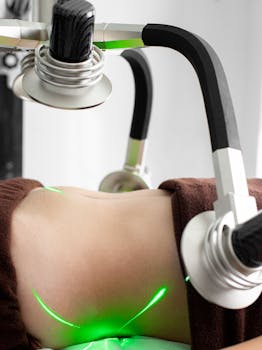
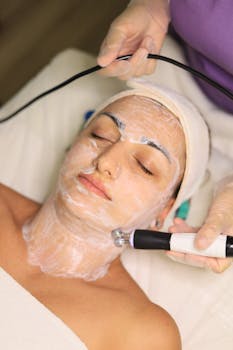
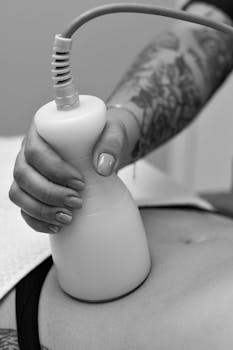
- Radiofrequency and Ultrasound Therapy: These treatments utilize heat to stimulate collagen production, resulting in tighter skin over time.
- Laser Treatments: Various laser therapies can enhance skin texture and promote firmness by stimulating the dermis.
- Micro-Needling: This involves creating tiny injuries on the skin’s surface to promote collagen and elastin production.
Medical Interventions
For those seeking more substantial results, medical procedures may be an option. Surgeries such as body lifts and tummy tucks physically remove excess skin. While effective, these procedures involve downtime and potential scarring. For more information on surgical options, you can explore this overview on loose skin surgery and scars.
Supplements and Natural Remedies
Some supplements, like collagen peptides, may support skin firmness. Natural remedies such as aloe vera, cocoa butter, and almond oil are popularly used in topical applications to nourish and hydrate the skin, potentially helping improve its elasticity.
The effectiveness of these remedies can vary, and results often depend on factors like age, skin type, and the amount of loose skin. Consultation with a dermatologist or healthcare provider can provide personalized guidance.
External Resources and Continuing Research
Researchers continue to study new methods and technologies to enhance skin firmness and elasticity effectively. For additional information on skin health and ongoing studies, visit the Wikipedia page on health.
Final Thoughts on Loose Skin Remedies
Finding the right approach to tighten loose skin requires consideration of various factors, from lifestyle habits to potential medical interventions. By exploring different avenues and integrating supportive remedies like those mentioned, individuals can work towards improving their skin tone and overall appearance.
- Loose skin can result from natural body changes, such as weight loss and aging.
- Lifestyle changes, including diet and exercise, are foundational remedies.
- Non-invasive treatments like radiofrequency and laser may provide tighter skin.
- Medical procedures are definitive but involve consideration of scars and recovery.
- Consultation with healthcare professionals is recommended for personalized advice.
FAQ
What causes loose skin?
Loose skin is typically caused by factors such as significant weight loss, aging, pregnancy, and loss of collagen and elastin in the skin. Genetics can also play a role.
How can I prevent loose skin naturally?
Maintaining a healthy diet, staying hydrated, exercising regularly, and protecting your skin from excessive sun exposure can help in preventing loose skin naturally.
Are there any risks associated with non-invasive treatments?
While generally considered safe, non-invasive treatments like radiofrequency and laser therapy can sometimes result in temporary redness, swelling, or, in rare cases, burns if not performed correctly.
How long does it take for treatments to show results?
Results vary depending on the treatment. Non-invasive treatments may take several sessions over weeks or months to show the desired results, whereas surgical options offer more immediate effects but require recovery time.
Should I consult a doctor before trying new treatments?
Yes, it is advisable to talk to a dermatologist or healthcare provider before starting any new treatment, especially invasive or laser-based options, to ensure it is suitable for your skin type and condition.