Fat grafting recovery time is a key consideration for anyone planning to undergo this cosmetic procedure. Whether you’re considering it for breast augmentation, facial rejuvenation, or body contouring, understanding the recovery process is essential. This article will guide you through what to expect, common recovery experiences, and how to manage your downtime effectively.
What Is Fat Grafting Recovery Time?
Fat grafting, also known as autologous fat transfer, involves removing excess fat from one area of the body and injecting it into another. It’s often used to enhance the breasts, face, or buttocks. The recovery time for fat grafting can vary depending on factors like the volume of fat transferred and the areas treated.
Generally, patients can expect a recovery period of about 2 to 4 weeks. During this time, it’s crucial to follow your surgeon’s post-operative instructions to ensure optimal results. Resting, managing swelling, and wearing compression garments as directed can help in a smoother recovery.
Factors Influencing Fat Grafting Recovery Time
Several factors can influence your recovery time:
- The amount of fat removed and grafted.
- The specific areas of the body treated.
- Your overall health and lifestyle.
- Your adherence to post-surgical care instructions.
It’s also important to note that bruising after fat transfer is a common side effect. While bruises typically fade within 2 weeks, some patients may experience longer-lasting discoloration. This can affect your fat grafting recovery time, as visible signs of the procedure are a component of downtime for many individuals.
Fat Grafting Recovery Time for Breast Augmentation
For those considering fat grafting for breast augmentation, the recovery process is slightly different. The fat grafting recovery time for the breast typically involves swelling and tenderness on the chest, along with the areas where fat was harvested. Returning to normal activities can generally occur within 3 to 4 weeks, but vigorous exercise may need to be postponed for up to 6 weeks.
For more details on the cost and expectations of breast augmentation with fat grafting, refer to our detailed guide on fat transfer breast augmentation.
Managing Side Effects of Fat Transfer to Face
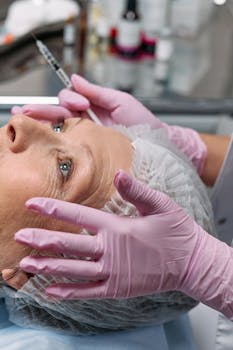
Facial fat transfer offers rejuvenated, youthful contours but may come with side effects like swelling, bruising, and temporary numbness. These effects typically resolve within 1 to 2 weeks, though in some cases, it may take longer. To maximize comfort and results during your fat grafting recovery time, it’s advisable to follow a gentle skin care routine and avoid sun exposure.
Ensuring a Smooth Fat Transfer Recovery
Achieving a smooth fat transfer recovery requires proactive care:
- Follow all post-operative care instructions from your healthcare provider.
- Use cold compresses to manage swelling.
- Avoid putting pressure on the grafted areas.
- Stay hydrated and maintain a healthy diet to support healing.
During the early recovery phase, it’s important to monitor for any signs of complications, such as increased redness, irregular swelling, or severe pain. Consult with your surgeon if these or any other concerning symptoms arise.
For additional information on the health aspects of cosmetic procedures, you may find resources like this Wikipedia article on health useful.
- Fat grafting recovery time varies based on the procedure specifics.
- Bruising after fat transfer is common and typically resolves in days to weeks.
- Recovery for breast augmentation with fat grafting involves specific care protocols.
- Facial fat transfer side effects include temporary swelling and bruising.
- Follow post-op guidelines closely for a smooth recovery.
FAQs About Fat Grafting Recovery
How long does it take for swelling to go down after fat grafting?
Swelling usually begins to subside after the first week and continues to decrease over the following weeks. Most patients find that swelling significantly reduces by the end of the first month.
When can I return to work after fat transfer?
Many individuals return to work within 1 to 2 weeks, depending on the extent of the procedure and the nature of their job. If your work involves physical activity, additional rest may be necessary.
What should I avoid during recovery?
Avoid heavy lifting, vigorous exercise, and putting pressure on grafted areas until your surgeon advises you it’s safe. It’s also wise to avoid smoking and limit alcohol intake to support healing.
Is there a risk of complications?
As with any surgical procedure, there are risks such as infection or asymmetry. Choosing a skilled and experienced surgeon significantly reduces these risks. Always report any unusual symptoms to your surgeon promptly.
How does fat grafting recovery differ from other procedures?
Fat grafting typically has a recovery similar to liposuction with the added consideration of caring for the grafted area. The personalized nature of the procedure means that recovery experiences can vary significantly.