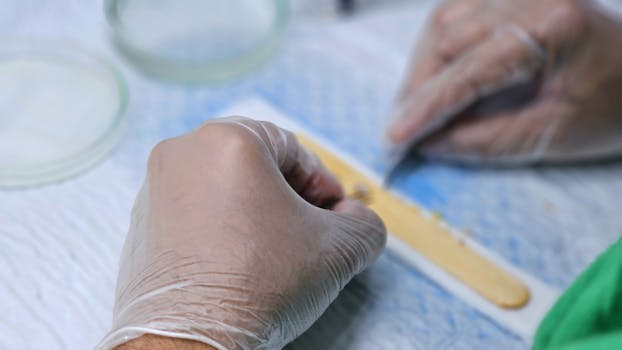
When considering a female hair transplant, it’s important to understand the process, benefits, and considerations involved. Hair transplantation for women has gained popularity as more seek long-term solutions for hair loss. Whether due to genetics, hormonal changes, or other factors, various techniques such as female hair grafting, female hair implants, and female hair restoration are available to meet diverse needs.
Understanding Female Hair Transplant Surgery
Female hair transplant surgery involves moving hair follicles from a healthy part of the body, usually the back of the scalp, to areas of thinning or baldness. This procedure can address specific issues like female pattern baldness and hairline restoration. By understanding how techniques like hair grafting for women or hair plugs for women operate, individuals can make more informed decisions.
Can Women Have Hair Transplants?
Yes, women can and do get hair transplants. The practice is growing as techniques improve and awareness increases. Queries like “can women get hair transplants” often arise due to misconceptions, but many women successfully undergo hair plantation for women with excellent results.
Different Techniques Available
There are several methods for women seeking hair implants. The most common is Follicular Unit Transplantation (FUT), which involves extracting a strip of scalp and dissecting it into follicular units. Alternatively, Follicular Unit Extraction (FUE) involves removing individual units directly from the donor site. Each method has its own advantages regarding recovery time and scar visibility. Consulting with a qualified surgeon can help determine the best approach for personal goals.
Considerations for Hair Surgery for Women
When contemplating hair transplant for female hairline needs, potential candidates need to consider several factors. The quality of the donor hair, the desired outcome, and the experience of the surgeon are critical. Additionally, understanding the recovery process and managing expectations around results is key. It’s important to note that female hair replacement surgery doesn’t halt hair loss; rather, it redistributes existing hair to improve density and appearance.
Benefits of Hair Restoration for Women
Beyond aesthetics, hair restoration for women can significantly enhance self-esteem and confidence. Many who go through procedures like hair transplant hairline women report a boost in their quality of life post-recovery. These surgeries can help in achieving a more youthful and fuller appearance, allowing women to approach personal and professional engagements with renewed assurance.
Who Can Benefit from Female Hair Transplants?
While not every woman is a suitable candidate for hair transplant surgery for women, those suffering from forms of alopecia, thinning hair, or receding hairlines might find these options viable. A thorough consultation with a healthcare provider can determine eligibility and examine underlying health conditions that could impact surgery success.
Steps to Ensure Successful Hairline Restoration for Women
Preparation and recovery are crucial phases in ensuring successful outcomes from procedures like hairline transplant women. Proper scalp care, understanding post-operative instructions, and attending follow-up appointments foster optimal healing. Before the surgery, practitioners recommend avoiding medications or supplements that could increase bleeding risks.
Post-surgery, adhering rigorously to prescribed care routines minimizes complications like swelling or infection. Regular monitoring and adjustments by a professional ensure that transplanted hair stays healthy and continues to integrate naturally with existing hair.
For those interested in holistic beauty routines that complement surgical solutions, exploring resources on sustainable skincare might provide valuable insights.
Linking Hair Transplant to Overall Wellness
Incorporating female hair transplants into a broader wellness plan can enhance results. Diet, stress management, and regular exercise support optimal hair growth. Additionally, some supplements and natural therapies may promote hair health, though they should not replace medical advice.
For further credible information, visit a reliable resource like this comprehensive guide on health topics.
Conclusion
Choosing to undergo a female hair transplant involves careful consideration and understanding of the procedures available. While not a cure for all types of hair loss, it can improve hair volume and appearance significantly. Whether opting for female hair plugs, female hair grafting, or a full female hairline transplant, involving experienced professionals ensures that both aesthetic and health needs are thoroughly addressed.
- Female hair transplants can address thinning and balding in women.
- Various methods include FUT and FUE techniques.
- Personalized consultations help determine the best approach.
- Recovery and post-op care are key to successful outcomes.
- Combining hair transplants with other wellness practices can enhance benefits.
FAQ
Do women get hair transplants?
Yes, many women seek hair transplants to address hair thinning or baldness effectively.
What is the best hair transplant method for women?
The best method varies; options like FUT and FUE have specific benefits, and consulting a specialist helps decide the optimal choice.
Can hair transplants help with female pattern baldness?
Yes, female hair transplants can help mitigate the effects of female pattern baldness by redistributing hair to thinning areas.
Is there downtime after hair transplant surgery for women?
Recovery time varies, but most patients resume normal activities within a week, with full recovery typically taking several months.
How do I maintain hair health post-transplant?
Follow all post-operative care instructions, maintain a balanced diet, manage stress, and attend follow-up appointments for the best results.