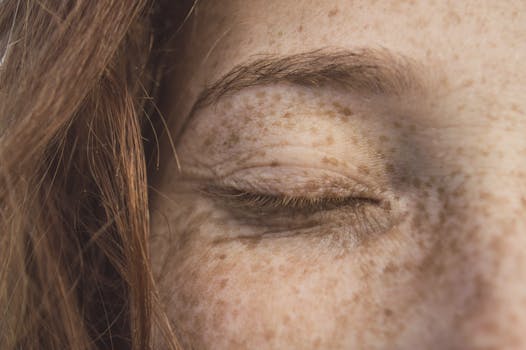
If you’ve been wondering how to get rid of upper eyelid exposure, you’re not alone. This common concern can affect both appearance and comfort, leading many to seek solutions. Upper eyelid exposure occurs when the natural contour of the eyelid changes, often as a result of aging, injury, or medical conditions. It can lead to discomfort, dryness, and aesthetic concerns.
Understanding How to Get Rid of Upper Eyelid Exposure
Before exploring corrective measures, it’s essential to understand the underlying causes of upper eyelid exposure. These can vary from mild to severe and may be linked to hereditary factors, medical conditions, or lifestyle choices. Addressing these causes can often improve the appearance and function of the eyelid.
Common Causes
- Aging: As we age, our skin loses elasticity. This can cause the skin to sag, resulting in more visible eyelid exposure.
- Genetics: Some individuals are more predisposed to eyelid exposure due to their genetic makeup.
- Medical Conditions: Certain disorders, such as Graves’ disease or Bell’s palsy, can lead to changes in eye structure.
- Trauma or Surgery: Previous surgeries or injuries near the eye can affect eyelid positioning.
Non-Surgical Treatments
For many, non-surgical options provide a viable way to manage upper eyelid exposure. These methods often focus on improving skin health and elasticity. Here are some popular approaches:
- Skincare: Using quality products full of antioxidants and moisturizing agents can support skin elasticity and nourishment. Consider learning more about the latest breakthroughs in skincare by visiting our comprehensive skincare technology guide.
- Botox or Fillers: Injectable treatments can offer temporary relief by tightening the skin around the eye area.
- Specialized Eyelid Tapes: These products are designed to hold the eyelid in place, making it appear more taut and reducing exposure.
- Eyewear: Specialized glasses can protect the eye from dryness caused by exposure, especially if the eyelids do not close completely.
Surgical Options
While surgery may offer a more permanent solution, it is generally considered after non-invasive methods. Consult with a qualified healthcare provider to explore these options thoroughly:
- Eyelid Surgery (Blepharoplasty): This procedure involves the removal of excess skin, fat, or muscle, effectively tightening the eyelid.
- Lid Tightening Procedures: These can correct any laxity in the supporting muscles and tendons.
- Reconstructive Surgery: For severe cases, comprehensive surgeries may be planned to restore both function and appearance.
Lifestyle Changes
Adopting certain lifestyle habits can also contribute to reducing upper eyelid exposure. These practices promote general skin health and may include:
- Balanced Diet: A healthy diet rich in vitamins C and E can support skin health.
- Regular Sleep Schedule: Adequate sleep ensures that your body undergoes necessary repair processes, including those for the skin.
- Hydration: Keeping your skin hydrated from within can maintain its elasticity and firmness.
Consulting a Professional
For those navigating how to get rid of upper eyelid exposure effectively, consulting with an ophthalmologist or plastic surgeon can provide personalized options. A professional assessment can determine the most appropriate approach, combining medical innovation with individual needs.
Ultimately, how to get rid of upper eyelid exposure is a journey that can involve a blend of non-surgical and surgical interventions, supported by sound healthcare advice.
- Upper eyelid exposure can result from aging, genetics, or medical conditions.
- Non-surgical treatments like skincare and fillers offer temporary solutions.
- Surgical options provide more permanent results for severe cases.
- Lifestyle changes supporting skin health may alleviate symptoms.
- Seeking professional advice ensures the most suitable treatment approach.
What is upper eyelid exposure?
Upper eyelid exposure occurs when the eyelid does not fully cover the eye, which can result in dryness and discomfort. This often happens due to sagging skin or other underlying conditions.
Can exercises help with eyelid exposure?
Facial exercises might aid in strengthening the muscles around the eye. However, they generally offer limited improvement and are more effective when combined with other treatments.
Is eyelid surgery covered by insurance?
Certain medical conditions may make eyelid surgery eligible for insurance coverage, particularly if the issue affects vision. It’s advisable to consult with your insurance provider for specifics.
How can I protect my eyes from dryness due to exposure?
Using specialized eyewear and moisturizing drops can help mitigate dryness caused by eyelid exposure, offering protection and relief.
Where can I find more reliable health information?
Reliable health information is available from various reputable sources, such as government websites. For a comprehensive overview, you can also refer to resources like Wikipedia’s health page.