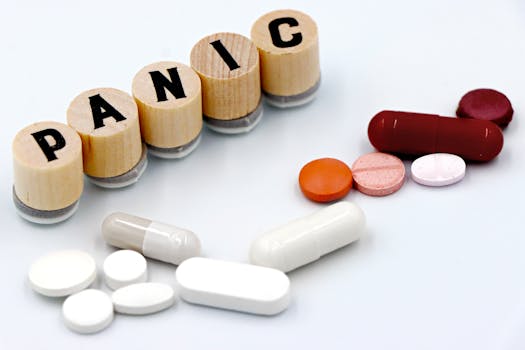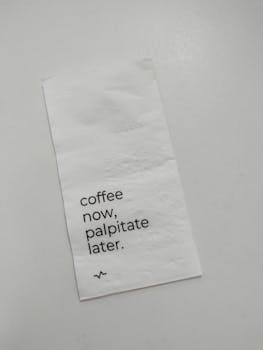
Anxiety can manifest in various physical symptoms, one of the most alarming being heart palpitations. If you’re looking to understand how to stop heart palpitations due to anxiety, you’re not alone. This article aims to unravel why these palpitations occur and offer strategies to help manage and alleviate them effectively.
How to Stop Heart Palpitations Due to Anxiety
When anxiety triggers an adrenaline rush, the heart can respond by beating unusually fast or irregularly. This is often referred to as heart palpitations, a common symptom experienced by many. Managing these palpitations begins with understanding their root causes and implementing techniques to calm a racing heart.
Identifying Triggers and Patterns
Knowing what provokes your anxiety and subsequent palpitations can be a critical first step. Stressful environments, caffeine, and lack of sleep are common culprits. Keeping a journal detailing when palpitations occur, and what might have caused them, can be enlightening.
Breathing Techniques to Calm Your Heart
One effective way to calm your heart from beating fast is through controlled breathing exercises. Try taking slow, deep breaths to signal your body to relax. A helpful technique is the 4-7-8 method: Inhale for four seconds, hold your breath for seven, and exhale for eight.
The Role of Lifestyle in Managing Anxiety
Regular exercise, a balanced diet, and adequate sleep are pillars of managing anxiety effectively. Engaging in activities like yoga or tai chi has been shown to reduce stress and mitigate stress-induced heart flutters.
Mindfulness and Meditation
Mindfulness practices and meditation can help ground you, reducing the intensity of racing thoughts and emotional responses. Daily meditation can lower anxiety levels, potentially reducing the frequency of heart palpitations.
When to Seek Medical Advice
While palpitations due to anxiety are typically harmless, persistent or severe symptoms might require medical evaluation. It’s crucial to rule out any underlying heart conditions. Always consult your healthcare provider to discuss any concerns and appropriate next steps.
For more insights on managing physical symptoms of anxiety, consider reading our article on how to stop shaking from anxiety.
Takeaways
- Heart palpitations are often a physical response to anxiety.
- Identifying and managing triggers is crucial for fewer symptoms.
- Simple techniques like deep breathing can effectively calm a racing heart.
- Lifestyle changes such as regular exercise can significantly reduce anxiety.
- Consult a healthcare provider if palpitations persist or worsen.
FAQs
What are heart palpitations?
Heart palpitations are feelings of having a fast-beating, fluttering, or pounding heart. They can occur due to stress, anxiety, or other underlying health conditions.
How do you calm a racing heart?
To calm a racing heart, try deep breathing, practicing relaxation techniques, or engaging in light physical activities like a walk or yoga.
When should I worry about heart palpitations?
If you experience persistent, severe, or unusual palpitations, it’s important to consult a healthcare provider to rule out any underlying heart condition.
Can lifestyle changes affect heart palpitations?
Yes, lifestyle changes such as reducing caffeine, stopping smoking, regular exercise, and ensuring adequate sleep can significantly impact the frequency and intensity of palpitations.
What is the link between stress and heart flutters?
Stress increases adrenaline levels in the body, which can lead to heart flutters or palpitations as the heart responds to this hormone surge.
In conclusion, if you’re seeking how to stop heart palpitations due to anxiety, understanding your body’s reaction to stress and implementing calming techniques is key. Always reach out to a medical professional for comprehensive guidance tailored to your needs.