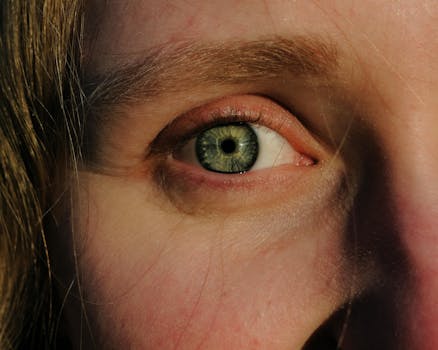
The inferior eyelid is an essential part of our daily life, impacting both function and appearance. Located below the eye, it plays a critical role in protecting our eyes from environmental debris and helping to distribute tears evenly. Understanding the anatomy and care of the inferior eyelid can help individuals maintain eye health and improve their overall look.
Anatomy of the Inferior Eyelid
The inferior eyelid, often referred to as the lower eyelid, consists of several layers that work together to maintain its structure and function. These include skin, muscles, connective tissue, and a thin layer of fat. The eyelid skin is notably thinner compared to other parts of the body, which demands special attention in skin care routines.
The lower lid crease is a distinguishing feature that separates the eyelid from the cheek, providing a natural transition that is crucial for facial expressions. Muscles within the lower lid, such as the orbicularis oculi, aid in eye closure and play a part in blinking.
Functions of the Inferior Eyelid
The primary function of the inferior eyelid is to protect the eye. It acts as a barrier against dust, sweat, and other potential irritants. The eyelid also helps to keep the eyes hydrated by spreading tears evenly across the surface during blinking. This process is essential for maintaining clear vision and preventing dry eyes.
Common Concerns and Conditions
Various conditions can affect the lower eyelid, impacting both health and aesthetics. One common issue is conjunctivitis, which can cause redness and swelling. Additionally, age-related changes such as sagging or puffiness are prevalent as the skin loses elasticity.
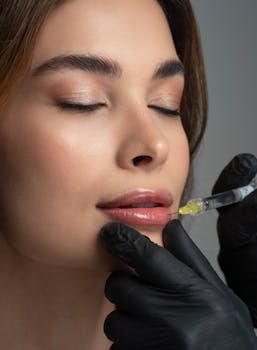
Lower eyelid blepharoplasty is a surgical option for those seeking cosmetic improvements, targeting excess skin and fat. Non-surgical treatments, like dermal fillers, are also popular for minimizing signs of aging.
Care and Maintenance
Taking care of the inferior eyelid is crucial for maintaining eye health and a youthful appearance. Incorporating gentle cleansing and moisturizing into your daily skincare routine can significantly benefit the delicate eyelid skin. Avoid harsh cosmetics and continuously pulling on the skin to reduce the risk of irritation and premature aging.
For further guidance on integrating the latest advancements in skincare, readers can explore our article on skincare technology breakthroughs.
Conclusion
Understanding the function and care of the inferior eyelid can help you maintain eye health and improve your appearance. The eyelid plays a crucial function in eye protection and aesthetics, emphasizing the importance of a proper care routine. Remember to consult an eye care professional if you notice any changes or issues related to the lower lid crease or lower lid eye area.
- The inferior eyelid protects and hydrates the eye.
- Its delicate skin requires special care to prevent aging.
- Common issues include conjunctivitis and sagging.
- Surgical and non-surgical cosmetic options are available.
- Proper skincare can maintain a youthful eye area.
What is the most common cause of lower eyelid swelling?
Lower eyelid swelling can be caused by several factors, including allergies, fluid retention, or an infection such as conjunctivitis. It’s essential to identify the underlying cause for effective treatment.
How often should I moisturize my eyelids?
Daily moisturizing is recommended for maintaining the delicate skin around the eyelids. Using a gentle, hypoallergenic product specifically formulated for the eye area can prevent dryness and irritation.
Can makeup cause irritation to the inferior eyelids?
Yes, makeup or certain cosmetic products can irritate the inferior eyelids, especially if they contain harsh chemicals or are not properly removed. Opt for hypoallergenic products and ensure complete removal at the end of the day.
When is surgery considered for lower eyelid issues?
Surgery is typically considered when non-surgical options fail or when functional issues interfere with everyday life, such as severe drooping or chronic irritation. A thorough evaluation by a medical professional is necessary to determine suitability for surgery.
Is it necessary to use sunscreen on the eyelids?
Yes, using sunscreen on the eyelids is important as this area is particularly susceptible to UV damage. Choose a sunscreen designed for sensitive areas around the eyes to protect the skin without causing irritation.