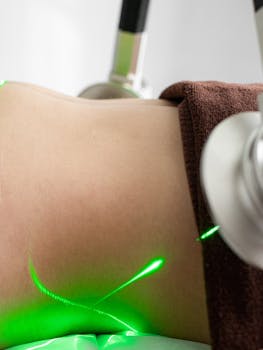
Liposuction is a popular cosmetic procedure aimed at removing excess fat deposits from specific areas of the body. Many individuals considering this procedure often wonder, “Does insurance cover lipo?” Understanding insurance coverage for liposuction can be complex, as policies vary widely. This guide will help clarify when liposuction might be covered by insurance and what factors influence coverage.
Does Insurance Cover Lipo?
The question of whether insurance covers liposuction can be somewhat tricky. Generally, cosmetic procedures like liposuction are not covered by insurance because they are considered elective surgeries. However, there are certain conditions under which insurance might cover the procedure.
When Is Liposuction Covered by Insurance?
Insurance companies typically cover procedures that are deemed medically necessary. If liposuction is performed as part of a treatment for a medical condition, such as lipedema or to remove fat in areas causing health issues, it might be eligible for coverage. It’s crucial to consult with your insurance provider to understand their specific terms.
Documenting Medical Necessity
To get liposuction covered by insurance, you must provide substantial documentation that proves its necessity for medical reasons. This documentation often includes physician recommendations, medical records, and potentially, evidence of other treatments that have been tried and failed. Insurance providers may require a detailed history of related health issues.
Steps to Take if You Believe Your Insurance Should Cover Liposuction
If you believe your situation warrants insurance-covered liposuction, the following steps may help:
- Consult Your Doctor: Discuss with your healthcare provider about the possible health benefits of liposuction for your condition.
- Gather Documentation: Collect medical records, test results, and previous treatment histories.
- Submit a Pre-authorization Request: Work with your doctor to submit a pre-authorization request to your insurance company.
- Follow Up: Keep track of the request status, and be ready to provide additional information if needed.
For more information on navigating similar options, read our detailed article on how to get liposuction for free.
Common Factors Affecting Coverage
Understanding the factors that influence whether insurance covers a procedure like liposuction can be illuminating. These include:
- Policy Type: Different insurance plans have different levels of coverage and exclusions.
- Provider Agreements: Some insurance providers have agreements with specific clinics or surgeons offering liposuction.
- Medical Necessity: As mentioned, coverage is more likely if there is strong evidence for medical necessity rather than cosmetic purposes.
Exploring Other Financial Options
If it turns out that liposuction isn’t covered by your insurance, there are still other avenues you can explore. These might include payment plans, medical loans, or even exploring discounts through certain clinics.
Consider Payment Plans
Many clinics offer financing options or payment plans that allow you to manage the cost of liposuction over time rather than paying the entire fee upfront. It’s always worth asking about these possibilities during your consultation.
Careful Cost Comparison
If you’re considering liposuction at multiple facilities, be sure to compare all associated costs. While price is an important factor, also consider the qualifications and experience of the surgeon, as these significantly impact the procedure’s outcome.
Does Insurance Cover Lipo With Special Circumstances?
Special circumstances may increase the likelihood of insurance coverage for liposuction. For instance, if liposuction is needed as part of reconstructive surgery following an accident or surgery for cancer, coverage scenarios may be different. Always verify with your provider about such situations.
Conclusion
In conclusion, answering “does insurance cover lipo” depends on various factors including medical necessity, documentation, and individual insurance policies. By understanding these elements and discussing options with both your doctor and insurance company, you can make a more informed decision about pursuing liposuction.
For further details on healthcare plans and coverage, consider visiting this comprehensive resource.
- Liposuction is generally not covered by insurance if it’s solely for cosmetic purposes.
- Insurance may consider covering liposuction if it is medically necessary.
- Gathering comprehensive medical documentation is crucial to support claims.
- Explore other financial options such as payment plans if insurance coverage is not an option.
- Consult with your insurer and healthcare provider for personalized guidance.
FAQ
Can I appeal a denied insurance claim for liposuction?
Yes, you can appeal. It’s important to provide additional documentation and evidence that support the medical necessity of the procedure.
What if my insurance does not cover any part of liposuction?
If insurance does not cover the procedure, explore other financing options such as payment plans, or medical loans, or check if discounts are available at certain clinics.
How do I know if my condition qualifies for medically necessary liposuction?
Consult with your healthcare provider to determine if your condition could qualify liposuction as medically necessary under your insurance policy.
Are there any health risks associated with liposuction?
Like any surgical procedure, liposuction involves potential risks, including infection, scarring, and changes in pigmentation. It’s crucial to discuss these risks with your healthcare provider.
Is there a specific body area more likely to be covered by insurance for liposuction?
This will depend on the health issue being addressed. Certain areas, like those contributing to significant health problems, may have a higher chance of coverage when liposuction is medically necessary.