Liposuction is a popular cosmetic procedure chosen to remove excess fat and contour the body. While it can lead to improved body shape and confidence, it’s common for patients to wonder about potential side effects, such as liposuction scarring. Understanding what to expect and learning how to minimize these scars can improve post-operative satisfaction.
What Is Liposuction Scarring?
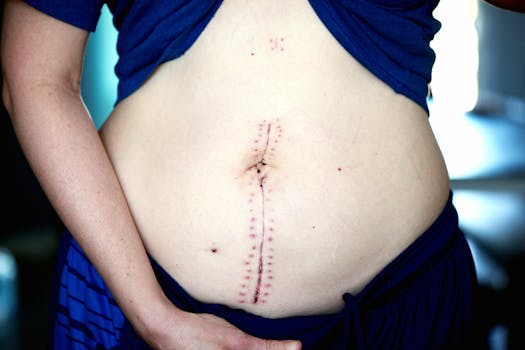
Liposuction scarring refers to the small marks or scars that can occur where the cannula—a slender tube used to suction out fat—is inserted under the skin. These scars are generally small, as the incisions are typically just a few millimeters long. Though the intention is to lessen visible scarring by placing the incisions in natural folds or less visible areas of your body, some scarring can be unavoidable.
How to Minimize Liposuction Scarring
Several strategies can help minimize the appearance of scars after liposuction. It’s important to discuss these options with your surgeon both before and after your procedure. Proper wound care and taking preventive steps are key to achieving the best possible results.
Follow Post-Operative Instructions
Your surgeon will provide specific advice on how to care for your incision sites. This includes keeping the area clean, avoiding strenuous activities, and adhering to recommended follow-ups. Skipping these steps could not only impede healing but also increase the risk of prominent scarring.
Use Sun Protection
Sun exposure can cause scars to darken and become more noticeable. Whether your scars are in a visible area or not, applying sunscreen can protect your skin as it heals, making sure scars are less prominent over time.
Consider Scar Treatment Products
There are various creams and gels designed to minimize scars. Products containing silicone or vitamin E may help reduce the appearance of scars. Consult with your healthcare provider before using any scar treatment to ensure it’s appropriate for your skin type and condition.
Understanding Different Skin Types and Scarring
Scarring can vary between individuals based on skin type, genetic factors, and overall health. Some people are prone to developing keloids or hypertrophic scars, which are raised and more noticeable. Discussing your own risk factors with your surgeon can give you a clearer understanding of what to expect.
Liposuction Scarring in Perspective
While some degree of scarring is inevitable, it’s important to keep the potential for scars in perspective relative to the goals of the liposuction procedure. These scars tend to fade over time, often becoming less visible over the course of several months to a year.
Non-Surgical Alternatives
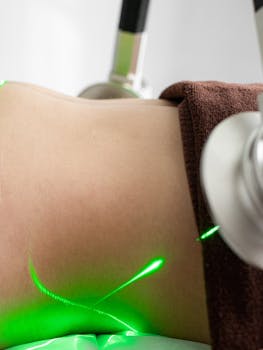
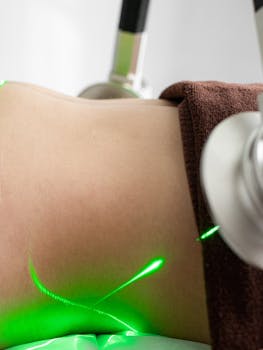
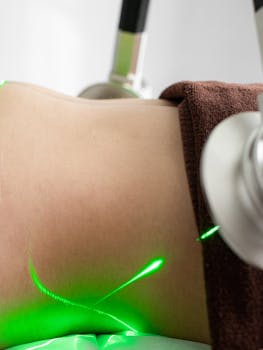
If concern over scarring is significant, non-surgical body contouring options may be worth considering. Procedures such as CoolSculpting or laser treatments offer fat reduction without incisions, thereby eliminating the risk of scarring entirely. You can learn more about alternative treatments in our article on liposuction and BBL expert tips and FAQs.
Consulting with a Professional
Before deciding on liposuction, it’s imperative to consult with a certified, experienced surgeon who can talk you through the risks, benefits, and the potential for scarring. A personalized assessment will provide more precise expectations based on your unique medical history and body type.
The Road to Scar Recovery
The journey of healing from liposuction scarring involves a blend of following medical advice, taking care of your skin, and managing expectations. With attentive care, the appearance of these marks can diminish significantly, merging well with the overall improved contouring effects of the procedure.
As with any surgical procedure, having realistic expectations about outcomes, including the possibility of scars, is important for satisfactory results. For additional detailed information on health and medical procedures, explore resources like this general health overview.
Takeaways
- Liposuction involves small incisions that may result in minor scarring.
- Proper post-operative care is essential to minimize scarring.
- Sun protection and scar treatment products can aid in reducing scar visibility.
- Understanding your skin type can provide insight into potential scarring.
- Alternative non-surgical options exist to avoid scarring altogether.
FAQ
Will liposuction leave noticeable scars?
Liposuction typically results in small, minimally noticeable scars, which fade over time. Incisions are often hidden in natural skin creases to further reduce visibility.
How long does it take for liposuction scars to heal?
Initial healing of liposuction scars may take a few weeks, but scars can continue to fade and blend into the skin for up to a year.
Are there treatments to completely remove liposuction scars?
While it is challenging to completely remove scars, treatments such as laser therapy or silicone-based products can significantly reduce their appearance.
Can everyone expect the same level of scarring from liposuction?
No, the degree of scarring varies based on individual factors like skin type, age, and overall health. A consultation with a healthcare provider can offer a more tailored expectation.
What should I discuss with my surgeon regarding scarring?
Talk to your surgeon about scar prevention, the location of incisions, and aftercare options, as well as any concerns specific to your skin type or medical history.