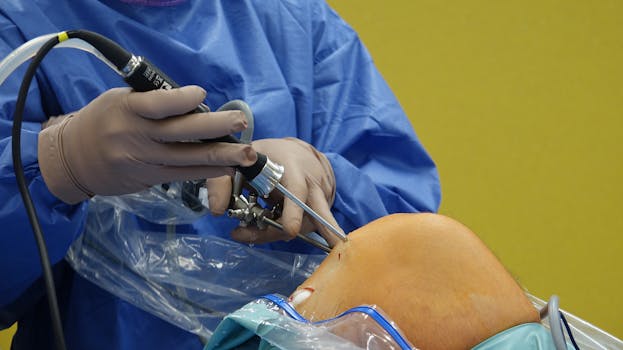
Liposuction lymphoedema is a condition that some individuals might experience after undergoing a liposuction procedure. This occurs when excess fluid builds up in the tissues, often leading to swelling and discomfort. Managing this condition properly can help promote better health outcomes and improve quality of life. In this article, we will explore various methods to effectively manage liposuction lymphoedema, incorporating lifestyle changes, therapeutic options, and additional resources.
Understanding Liposuction Lymphoedema
The lymphatic system plays a crucial role in maintaining fluid balance in the body. However, when liposuction is performed, it can sometimes disrupt lymphatic flow, leading to the accumulation of lymph fluid in the affected area. This is known as lymphoedema. Although not everyone who undergoes liposuction will develop lymphoedema, those who do may experience symptoms such as swelling, a feeling of heaviness, and even a change in skin texture.
Managing Liposuction Lymphoedema
Addressing liposuction lymphoedema involves a multifaceted approach. Here are some strategies that may help in managing this condition:
Compression Therapy
Compression garments are often recommended for individuals with lymphoedema. These garments apply gentle pressure to the affected area, which helps to promote lymphatic drainage and reduce swelling. It is important to wear these garments consistently, as prescribed by healthcare professionals.
Manual Lymphatic Drainage
Manual lymphatic drainage is a specialized massage technique designed to encourage the movement of lymph fluids out of the swollen area. A trained therapist can perform this technique, or individuals may be taught specific self-massage methods to continue managing symptoms at home.
Exercise and Movement
Engaging in regular physical activity is beneficial for overall health and can also aid in managing lymphoedema. Gentle exercises, such as walking, swimming, or yoga, can help stimulate lymphatic flow and reduce swelling. It is advisable to consult with a healthcare provider to determine an appropriate exercise regimen.
Healthy Lifestyle Choices
In addition to specific therapies, maintaining a healthy lifestyle can play a supportive role in managing liposuction lymphoedema. Eating a well-balanced diet, staying hydrated, and avoiding excessive salt intake can contribute to reducing fluid retention. For more on lifestyle management after liposuction, consider reading expert tips for post-liposuction care.
Consulting Healthcare Professionals
It is important for individuals experiencing symptoms of lymphoedema post-liposuction to seek medical advice. Healthcare providers can offer tailored treatment options and monitor progress to ensure effective management of the condition. They may also advise on possible medications or interventions if the condition does not improve with conservative measures.
FAQs on Liposuction Lymphoedema
What are the symptoms of liposuction lymphoedema?
Common symptoms include swelling in the affected area, a feeling of heaviness, and possibly a change in the texture of the skin. These symptoms may vary in severity among individuals.
Can liposuction lymphoedema be prevented?
While not entirely preventable, the risk may be reduced by following post-operative care instructions carefully, using compression garments, and engaging in recommended physical activities.
Is liposuction lymphoedema a permanent condition?
With appropriate management, many individuals see improvement in symptoms over time, though the condition may require ongoing care. Consulting a healthcare provider for a personalized care plan is essential.
What types of exercises are best for managing lymphoedema?
Low-impact exercises such as swimming, walking, and yoga are often recommended as they promote lymphatic circulation without placing undue stress on the body.
Where can I find more information on lymphatic health?
For more in-depth information on the lymphatic system and lymphoedema, you can visit the Wikipedia page on Lymphoedema.
- Liposuction lymphoedema results from disrupted lymphatic flow post-surgery.
- Active management includes compression therapy and manual lymphatic drainage.
- Lifestyle changes such as diet and exercise support management efforts.
- Consult healthcare professionals for personalized treatment plans.
- Understanding and managing symptoms can lead to improved quality of life.
In conclusion, effectively managing liposuction lymphoedema involves a combination of therapies and lifestyle adjustments. By staying informed and proactive, individuals can minimize symptoms and improve their overall health outcomes. Remember to work closely with healthcare providers for guidance tailored to your specific needs.