Undergoing a parietal lobectomy can be a life-changing experience, and understanding the road to recovery is crucial for patients and their caregivers. This surgical procedure, often performed to address conditions like brain tumors or epilepsy, involves the removal of part of the parietal lobe. The parietal lobe is responsible for various functions, including sensation, perception, and spatial reasoning. Navigating life post-surgery entails adjustments, but with the right care and information, patients can lead fulfilling lives.
Understanding Parietal Lobectomy
A parietal lobectomy is a specialized surgical procedure. Surgeons remove a portion of the parietal lobe, aiming to alleviate symptoms related to conditions such as epileptic seizures or brain cancer. The decision to undertake this surgery is often made after medication or less invasive treatments have proven insufficient. Understanding the scope and purpose of the procedure is vital for managing expectations and planning for recovery.
The parietal lobe is pivotal to processing sensory information from various parts of the body. Post-surgery, patients might observe changes in their ability to perform tasks requiring spatial awareness or coordination. These changes highlight the importance of rehabilitation and support.
Post-Surgery Rehabilitation
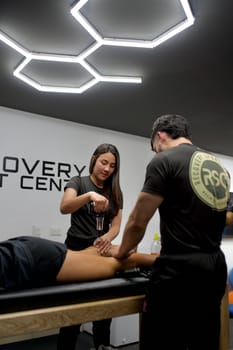
Rehabilitation following a parietal lobectomy plays a crucial role in restoring function and improving quality of life. Recovery programs typically involve a team of healthcare professionals, including neurologists, occupational therapists, and physiotherapists. Their goal is to help patients regain independence through targeted therapies.
Therapies often focus on enhancing cognitive functions, improving motor skills, and adapting to any sensory changes. This comprehensive approach ensures that patients can efficiently reintegrate into daily activities. Moreover, it addresses individualized goals tailored to each patient’s unique needs.
Nutritional Needs After Surgery
Nutrition is a key aspect of recovery after a parietal lobectomy. A balanced diet can support healing and improve energy levels. Patients are encouraged to consume nutrient-dense foods that provide ample vitamins and minerals. For more information on dietary strategies, consider exploring how to optimize your nutrition during recovery.
Managing Emotional and Mental Health
Emotional and mental well-being is a significant part of the recovery process. Patients may experience mood swings, anxiety, or depression after surgery. Engaging in mental health support, such as counseling or therapy, can be beneficial. Support groups, both in-person and online, can also provide a platform for sharing experiences and gaining encouragement.
Establishing a routine and focusing on gradual improvement can bolster resilience. This approach helps maintain a positive outlook and ensures that emotional health is given equal priority during recovery.
Long-Term Outlook for Parietal Lobectomy Patients
The long-term outlook for individuals who undergo a parietal lobectomy varies based on several factors, including the reason for surgery and pre-existing health conditions. Many patients experience significant relief from their initial symptoms, leading to an improved quality of life.
Adapting and maintaining a healthy lifestyle is often recommended. Regular follow-ups with healthcare providers ensure any emerging issues are promptly addressed, optimizing long-term outcomes and overall health.
Overall, the journey of recovering from a parietal lobectomy necessitates patience, support, and a committed approach to rehabilitation.
- A parietal lobectomy involves the surgical removal of part of the parietal lobe.
- Rehabilitation is crucial for regaining function and independence.
- Nutritional support and mental health are key components of recovery.
- Long-term outcomes are generally positive with appropriate care and support.
FAQ Section
What is the primary purpose of a parietal lobectomy?
The primary purpose is to treat conditions like epilepsy or brain tumors when other treatments have not been effective.
How long is the recovery process after a parietal lobectomy?
Recovery time can vary greatly among individuals but typically involves several weeks to months, depending on the extent of the surgery and the individual’s overall health.
Can patients drive after a parietal lobectomy?
Driving is generally restricted following the surgery until a healthcare provider assesses readiness based on recovery progress and symptom management.
Are there any dietary changes recommended after surgery?
A balanced diet rich in nutrients can support healing. Patients should discuss specific dietary needs with a healthcare provider or dietitian.
Is additional mental health support typically needed post-surgery?
Yes, many patients benefit from mental health support to help manage emotional changes and adapt to life after surgery. Therapy and support groups are often recommended.
For more detailed information, please consult reliable sources like the Health section on Wikipedia.