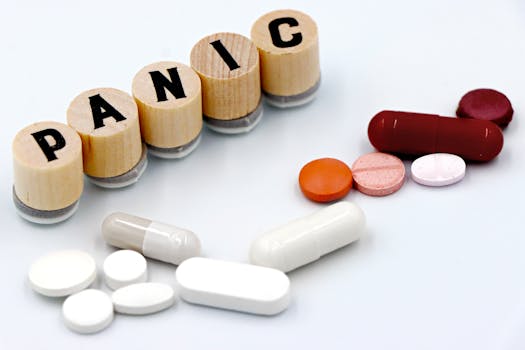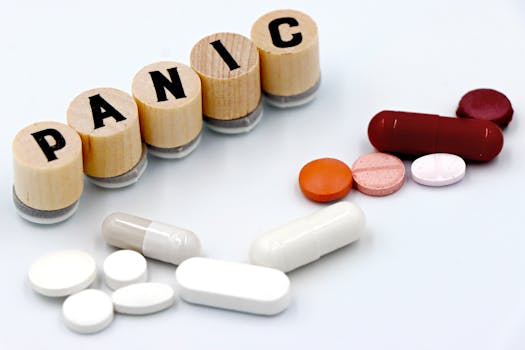
In recent years, the search for effective treatments for anxiety disorders has led to the development of new anxiety medication options. With advances in pharmacology and neuroscience, new drugs for anxiety are being introduced, offering hope for those seeking relief from anxiety symptoms. Whether you’re considering a new treatment or curious about the latest medications available, understanding these options can help you make informed decisions about managing your mental health.
Exploring New Anxiety Medication Options
The process of developing new anxiety medications involves extensive research and clinical trials. These new drugs for anxiety aim to improve efficacy while reducing side effects, providing better outcomes for patients. Here, we’ll explore some of the latest medications and what to discuss with your healthcare provider.
An array of new pharmacological treatments is on the horizon, each targeting different aspects of anxiety disorders. While some focus on traditional neurotransmitter pathways, others work on novel mechanisms, offering unique approaches to symptom management.
Types of New Anxiety Medications
Recent developments in anxiety medication include several types of drugs:
- SSRIs and SNRIs: Though not new, these remain foundational in treating anxiety. They work by altering neurotransmitter levels in the brain.
- Novel Antidepressants: Medications such as Vilazodone and Vortioxetine combine traditional SSRI effects with additional mechanisms, potentially offering fewer side effects.
- GABA Modulators: Targeting the GABAergic system, these aim to produce calming effects with less sedation.
- Serotonin and Norepinephrine Modulators: These medications focus on fine-tuning neurotransmitter balance more precisely.
Benefits and Risks of New Anxiety Drugs
While new anxiety medications offer potential benefits, it’s important to be aware of possible risks and side effects. Many new drugs work on similar neurotransmitter systems as older medications, but with refined mechanisms intended to improve safety and tolerability.
Patients exploring these options should be prepared for conversations about balancing the benefits of symptom relief with any risks of side effects. Open dialogue with healthcare providers can aid in making personalized treatment decisions.
Questions to Ask Your Doctor
- How do new medications differ from older treatments?
- What are the potential benefits and risks associated with this new drug?
- How long will it take to see improvement in symptoms?
- What should I do if I experience side effects?
- Are there any lifestyle changes I should consider alongside medication?
It’s crucial to remember that everyone reacts differently to medications, so what works for one individual may not work for another.
The Role of Lifestyle and Alternative Options
While exploring new anxiety medications, it is beneficial to consider complementary lifestyle changes or alternative therapies. Approaches such as mindfulness, therapy, and natural supplements are being studied for their potential to reduce anxiety symptoms.
For those interested in alternatives, over-the-counter options and supplements may provide support, though they should not replace professional treatments.
Finding the Right Approach for You
With the development of new anxiety medications, individuals have more choices than ever before. However, finding the right medication often involves a process of trial and error. By staying informed and actively engaging with healthcare providers, you can find a treatment plan that aligns with your unique needs and preferences.
For comprehensive information on health and medications, you can refer to external resources such as this informative page on Health.
Whether exploring established therapies or considering new anxiety medication, prioritizing your overall well-being is essential. Consult health professionals to ensure that any medication choice is appropriate for your specific condition.
Takeaways
- New anxiety medications offer potential improvements in treatment efficacy and side effect profiles.
- Open communication with your healthcare provider is key to finding an effective treatment plan.
- Consider lifestyle changes and alternative therapies alongside medication for holistic management.
- Understanding the mechanism of new drugs can guide discussions with your doctor.
- External resources can provide valuable information on health topics.
FAQ
What are new anxiety medications?
New anxiety medications refer to recently developed drugs designed to treat anxiety disorders, offering potential improvements in safety and efficacy compared to older treatments.
How do new anxiety drugs work?
These medications often target neurotransmitter systems in the brain, aiming to restore balance and reduce anxiety symptoms through refined mechanisms.
Are new drugs for anxiety more effective?
Effectiveness can vary among individuals. New drugs are designed to enhance treatment outcomes and reduce side effects but must be evaluated based on personal response.
What should I discuss with my doctor about new medications?
Key discussion points include treatment differences, potential side effects, anticipated time for symptom improvement, and any necessary lifestyle changes.
Are there alternatives to new medications?
Yes, many people find value in lifestyle modifications and therapies. It’s important to integrate these approaches with medical treatments for comprehensive care.
As new anxiety medications continue to be researched, they provide promising avenues for those seeking relief from anxiety symptoms.