Swollen lymph nodes can be uncomfortable and concerning, often signaling that the body is fighting an infection. One common and accessible remedy to help reduce the discomfort is a cold compress. Understanding how a cold compress for swollen lymph nodes works can provide significant relief and improve recovery time. In this article, we’ll explore the benefits, proper techniques, and other supportive methods for alleviating symptoms related to swollen lymph nodes.
Understanding How a Cold Compress for Swollen Lymph Nodes Works
Lymph nodes play a crucial role in the immune system, filtering out harmful substances and fighting off infections. When they become swollen, inflammation occurs due to increased activity as the body combats illnesses. Applying a cold compress can help by reducing inflammation and numbing the area, thereby lessening pain and swelling.
A cold compress constricts blood vessels, reducing blood flow to the affected area, which can help decrease swelling and tenderness. This simple yet effective method can be especially beneficial when swelling is localized and significant discomfort is present.
How to Apply a Cold Compress Correctly
Applying a cold compress is straightforward, but doing it correctly ensures maximum effectiveness. Here’s a simple guide:
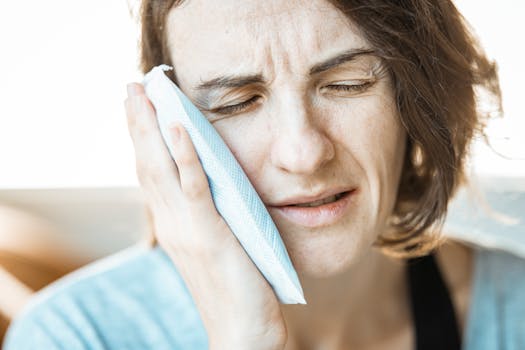
- Use a clean cloth or cold pack and wrap it in a towel to prevent direct skin contact, which can cause frostbite.
- Apply the compress to the affected lymph node area for 15 to 20 minutes.
- Repeat every few hours as needed, ensuring intervals in between to avoid skin damage.
Consistency is key for seeing improvements. Regular application can help maintain reduced swelling and provide ongoing relief from discomfort.
Other Home Remedies to Complement a Cold Compress
While a cold compress is highly effective, integrating other home remedies can enhance the overall healing process:
- Rest and Hydration: Ensure plenty of sleep and stay hydrated to help the body recover more efficiently.
- Warm Compress: Alternate between cold and warm compresses to improve circulation and reduce swelling. However, consult your healthcare provider to ensure this technique is suitable for you.
For more on how natural remedies can assist with swelling, visit our article on holistic treatments for edema and swelling.
When to Consult a Healthcare Professional
While cold compresses can provide relief, it’s important to know when to seek medical attention. Consult a healthcare provider if:
- The swelling persists for more than two weeks.
- You experience unexplained fever, weight loss, or night sweats.
- The swollen nodes are hard, fixed, or rapidly growing.
Professional evaluation is essential to rule out more serious underlying conditions.
Benefits of Using a Cold Compress for Swollen Lymph Nodes
Utilizing a cold compress for swollen lymph nodes offers several advantages beyond reducing discomfort:
- Accessibility: Cold compresses can be easily prepared using household items, making them a convenient first line of defense.
- Cost-effectiveness: Unlike medication, cold compresses are a low-cost approach to managing symptoms.
- Minimal side effects: With proper use, cold compresses pose minimal risks compared to more invasive treatments.
This method empowers individuals to take an active role in their own healing process while waiting for deeper evaluation from healthcare professionals.
Enhancing Lymph Node Health
Maintaining lymph node health can prevent frequent inflammation and ensure the lymphatic system functions optimally:
- Exercise Regularly: Physical activity promotes lymphatic circulation.
- Eat a Balanced Diet: Ensure a diet rich in nutrients to support immune function.
- Avoid Smoking and Excessive Alcohol: These can impair immune health.
Incorporating these lifestyle habits can complement the use of direct treatments like cold compresses.
Frequently Asked Questions
How often should I use a cold compress on swollen lymph nodes?
Apply a cold compress for 15-20 minutes every few hours, with rest periods in between to avoid skin irritation or frostbite.
Are there any risks associated with using a cold compress?
The main risk is skin irritation or frostbite from direct contact. Always wrap the cold source in a towel before applying to the skin.
Can warm compresses be used instead of cold ones?
Warm compresses can be used to improve circulation and relieve discomfort, but consult a healthcare provider first, as specific conditions may react differently.
What other measures can I take to reduce lymph node swelling?
Besides cold compresses, ensure adequate rest, proper hydration, and consider alternating with warm compresses if recommended by a healthcare professional.
Is swelling of lymph nodes a sign of serious health issues?
Swollen lymph nodes are often a response to infection. However, if they persist, consult a healthcare provider to rule out serious conditions like lymphatic cancers.
For more detailed health information, you can visit this article on health.
- Cold compresses are effective for reducing swelling and discomfort in lymph nodes.
- Proper application involves wrapping the compress and limiting use to 15-20 minutes.
- Other remedies include rest and warm compresses when appropriate.
- Consult a healthcare professional if symptoms persist or worsen.
- Maintain overall lymph node health through lifestyle changes like diet and exercise.
Understanding when and how to use a cold compress for swollen lymph nodes can significantly ease discomfort and aid recovery. While home remedies provide temporary relief, it’s essential to consult healthcare professionals for comprehensive care and diagnosis.