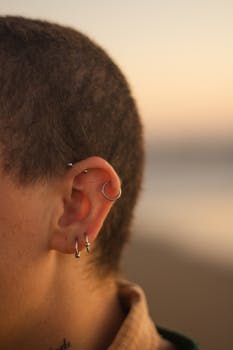
Whether it’s due to years of wearing heavy earrings or an unfortunate snag, fixing ear piercing holes can become a necessary step for many who cherish their adorned ears. To revive and restore your ear piercings for a flawless look, it’s important to understand the methods available for dealing with stretched or torn piercings. In this article, we’ll explore simple at-home remedies and professional solutions to help address issues with ear piercings, maintaining their appearance and health.
Understanding the Problem: Fixing Ear Piercing Holes
Ear piercing holes can stretch or tear over time due to various factors, including heavy earrings that pull down on the piercing or accidents where earrings get caught and tug on the lobe. As these issues develop, they can lead to misshapen holes that affect the aesthetics of your piercings. The good news is that there are both non-surgical and surgical solutions that can help in fixing ear piercing holes effectively.
Non-Surgical Solutions for Stretched Ear Piercings
Before turning to surgical interventions, you might want to explore non-surgical options to tighten slightly stretched piercing holes:
- Switch to lighter earrings: Replacing heavy earrings with lighter ones can reduce further stretching. Opt for studs or small hoops that apply less pressure.
- Give your ears a break: Taking a break from wearing earrings can let your ear tissue recuperate over time. This is particularly effective for minor stretching.
- Use skin-renewing creams: Creams or lotions enriched with collagen or retinol can support skin elasticity, although results can vary.
Surgical Options for Severe Cases
When ear piercing holes are severely stretched or torn, professional medical intervention might be necessary. This involves reconstructive surgery performed by a dermatologist or plastic surgeon.
- Lobuloplasty: This straightforward procedure repairs and reconstructs the earlobe, effectively closing the enlarged hole and allowing it to heal for a future re-piercing.
- Consultation is key: Before opting for surgery, consult a healthcare provider to determine the most appropriate procedure for your case and discuss any potential risks.
Post-Repair Care
After any repair, whether surgical or non-surgical, it’s important to follow specific aftercare routines to ensure proper healing and prevention of further damage:
- Follow hygiene practices: Clean your ears with mild soap and water, avoiding any harsh chemicals.
- Use hypoallergenic earrings: Once your ear is healed, select hypoallergenic materials to avoid irritation and allergic reactions.
- Avoid wearing earrings in bed: This prevents unnecessary pressure and tugging on your ears during sleep.
Prevention Tips
A few proactive steps can save you the trouble of fixing ear piercing holes in the future:
- Limit heavy earrings: Reserve larger, heavier pieces for special occasions rather than daily wear.
- Secure earring backs: Use safety backs to minimize the chance of snagging or pulling that could stretch or tear piercings.
- Regular check-ins: Routinely inspect your piercings for any signs of stretching or tears and act promptly if you notice any changes.
Understanding Mental and Emotional Impact
If you’re distressed over your piercing’s appearance, this can affect mental well-being. While it might feel superficial, self-image plays a crucial role in how we perceive ourselves. For more holistic mental health guidance, consider reading about coping mechanisms and support systems.
Being informed about your options for fixing ear piercing holes empowers you to make the best choices for your unique situation. Whether you opt for non-surgical methods or medical intervention, the goal is a result that enhances both the appearance and health of your ears.
- Identifying the underlying cause of stretched piercings is crucial.
- Non-surgical solutions can be effective for minor stretching.
- Severe tears may require surgical repair by a qualified professional.
- Post-repair care is important for effective healing.
- Preventative measures help maintain the integrity of ear piercing holes.
FAQs
Can I fix stretched ear piercings at home?
For minor stretching, non-surgical solutions like avoiding heavy earrings and using skin-care products might help. However, consult a specialist for severe cases.
How long does it take for a repaired piercing to heal?
Healing time varies, but a surgical repair often takes about 2 to 6 weeks. Your healthcare provider will give specific guidelines.
Is it safe to re-pierce after repairing an ear lobe?
Yes, but it’s essential to wait until the ear has fully healed, usually a few months post-surgery, to minimize the risk of complications.
What are the potential risks of ear lobe surgery?
As with any surgery, there are risks including infection, scarring, and asymmetry. Discuss these with your healthcare provider to make an informed decision.
Where can I find more information on ear piercings?
You can visit authoritative websites such as Wikipedia for general health information related to ear piercings and skin care.