Dealing with a saggy gluteal fold can be frustrating and can impact your self-confidence. This natural process can be caused by aging, weight fluctuations, or genetic factors. However, there are several ways to address and potentially improve the appearance of sagging in this area, allowing you to revitalize your silhouette.
Understanding the Saggy Gluteal Fold
The saggy gluteal fold refers to the loss of firmness and elasticity in the lower buttocks area, resulting in a drooping appearance. It’s a common concern for many, often exacerbated by prolonged sitting, weight loss, or natural aging. Thankfully, there are various strategies that can help enhance and firm up this area.
Exercise and Muscle Strengthening
One of the most effective ways to address saggy gluteal folds is through targeted exercises that strengthen the gluteal muscles. Incorporating exercises such as squats, lunges, and leg lifts into your routine can help build muscle mass and increase firmness.
- Squats: Squats are a total lower body workout that specifically targets the gluteal muscles.
- Lunges: Lunges help tone and lift the gluteal area while also improving overall leg strength.
- Leg lifts: This exercise provides a concentrated workout for the glutes, enhancing their shape.
Consistency is key with these exercises. Performing them regularly, ideally three to four times a week, can yield noticeable improvements over time.
Diet and Nutrition
Your diet plays a significant role in maintaining skin health and muscle tone. Consuming a balanced diet rich in proteins, healthy fats, and antioxidants can support skin elasticity and muscle development. Foods such as lean meats, nuts, seeds, fruits, and vegetables contribute to the overall health of the skin and muscles.
Additionally, staying hydrated is crucial. Adequate water intake helps maintain skin elasticity and flush out toxins that may contribute to skin degradation.
Skincare and Topical Treatments
Using topical treatments and specific skincare routines can potentially improve the appearance of saggy skin around the gluteal fold. Retinoids and collagen-boosting products may support skin rejuvenation and elasticity.
Daily moisturizing can also significantly benefit the skin. Products containing ingredients like hyaluronic acid and vitamin E can enhance skin hydration and appearance.
Professional Treatments
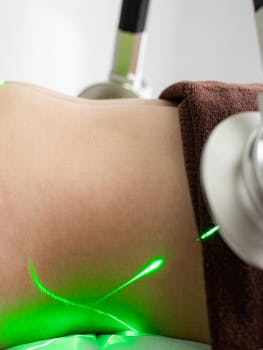
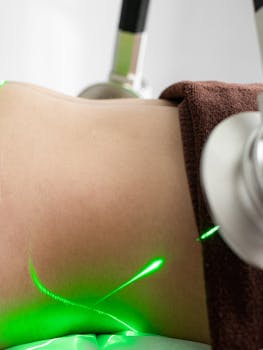
For those seeking more immediate results, several professional treatments are available. Options such as laser therapy, radiofrequency treatments, and fillers can help tighten, lift, and improve skin texture.
Consulting with a certified dermatologist or cosmetic specialist can provide personalized advice and treatment options based on individual skin needs and desired outcomes.
If you’re interested in further information about body contouring and expert advice, check out our comprehensive article on sagging BBL expert tips.
Maintaining a Healthy Lifestyle
A holistic approach to lifestyle is essential for maintaining the firm appearance of gluteal muscles. Regular exercise, balanced nutrition, and adequate sleep play integral roles in maintaining skin health and overall well-being.
Engaging in activities such as yoga or Pilates can also provide benefits by enhancing core strength and posture, contributing to the overall lift and firmness of the gluteal area.
For further reading on general health and how it impacts our physical appearance, visit Wikipedia’s health page.
By implementing these strategies and maintaining consistency, you can address concerns related to a saggy gluteal fold. With commitment and care, improvements in firmness and confidence in your appearance are achievable.
- Targeted exercises can firm and lift the gluteal area.
- Balanced diet supports muscle tone and skin health.
- Skincare products may enhance skin elasticity.
- Professional treatments offer targeted results.
- Consistent lifestyle habits contribute to lasting improvements.
What causes a saggy gluteal fold?
Saggy gluteal folds can result from aging, weight changes, genetic predisposition, and prolonged sitting, which affect skin elasticity and muscle tone.
Can exercises really help firm the gluteal area?
Yes, exercises strengthen the gluteal muscles, increasing firmness and potentially reducing the saggy appearance with regular practice.
What are some dietary tips to support skin and muscle health?
Focus on a balanced diet rich in proteins, antioxidants, and hydration to support skin elasticity and muscle tone.
Are there effective skincare products for this concern?
Retinoids, collagen-boosting products, and hydration-focused moisturizers may help improve the skin’s firmness and texture.
What professional treatments are available for sagging gluteal folds?
Treatments such as laser therapy, radiofrequency, and fillers can offer more immediate results for tightening and lifting the skin.