Considering breast implants is a significant decision, intertwined with questions and emotions. If you’re contemplating “should I get breast implants,” you’re likely weighing the potential benefits against the possible risks, and wondering about the overall impact on your life. This article provides comprehensive insights into breast implants, who they are for, and considerations before proceeding with surgery.
Should I Get Breast Implants: Understanding the Process
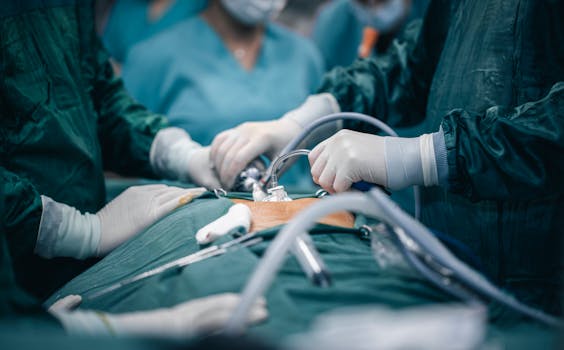
Breast augmentation involves placing implants under breast tissue or chest muscles to enhance breast size. This surgical procedure is popular among those looking to adjust the size and shape of their breasts for aesthetic reasons or to reconstruct the breast after mastectomy.
Options and Types of Implants
There are two primary types of breast implants: saline and silicone. Saline implants are filled with sterile salt water and are inserted empty, then filled once in place. Silicone implants, on the other hand, are pre-filled with a silicone gel that many feel mimics the natural feel of breast tissue.
Considerations Before Getting Breast Implants
- Health: Ensuring you are in good health is critical before surgery. Discuss any medical conditions with your healthcare provider.
- Lifestyle: Consider how implants may affect your lifestyle, including physical activity and clothing choices.
- Expectations: Have realistic expectations about the outcomes. Implants can enhance appearance but won’t solve all confidence issues.
Risks and Benefits
Breast implants can significantly boost self-confidence and help individuals align their physical appearance with their personal aesthetic goals. However, they also carry risks, such as infection, implant leakage, or complications necessitating additional surgeries.
Who Should Consider Breast Implants?
People opt for breast augmentation for various reasons. Some wish to enhance their natural breast size, while others might need reconstruction post-mastectomy. Deciding “should I get breast implants” also involves questioning whether the potential physical and psychological benefits align with one’s personal goals and lifestyle.
Recovery and Aftercare
Recovery from breast augmentation typically involves a week of rest, with swelling and soreness gradually subsiding over the subsequent weeks. It’s essential to follow the surgeon’s post-op instructions to ensure a smooth and speedy recovery.
For more insights into post-surgery recovery experiences, you might find our article on rhinoplasty recovery timelines useful too.
Financial Considerations
Breast implants can be costly and are usually not covered by insurance unless performed for reconstructive reasons. Consider discussing payment plans with your surgeon’s office and understanding all potential costs upfront.
Should I Get Breast Implants: Making an Informed Decision
Determining if breast implants are right for you involves introspection and discussion with a qualified healthcare provider. Understanding the risks, benefits, and lifetime commitment of maintenance are crucial steps in making an informed decision.
While breast implants are safe, always consider official resources when researching medical procedures. For further general information on health-related topics, visit this health resource.
- Evaluate the reasons and motivations behind wanting breast implants.
- Research the types of implants and the surgery process.
- Consider the potential lifestyle and health impacts.
- Discuss with a healthcare provider and understand all risks.
- Explore both aesthetic and reconstructive purposes of implants.
FAQ Section
What are the most common reasons for getting breast implants?
Common reasons include enhancing breast size, restoring breast volume lost after weight reduction or pregnancy, achieving more symmetrical breasts, or reconstructing a breast after surgery.
Are breast implants safe?
Breast implants are generally considered safe, though they come with risks like any surgery. These include capsular contracture, implant rupture, and the potential need for revision surgery.
How long do breast implants last?
Breast implants are not considered lifetime devices. On average, they last 10-20 years but may require replacement sooner depending on individual cases and circumstances.
Can breast implants affect breast cancer screening?
Breast implants can make it more challenging to see breast tissue during a mammogram. Special techniques and additional views are often used to obtain a complete examination.
What should I expect during the recovery period?
After surgery, expect some soreness and swelling. Most individuals can return to regular activities within six weeks, but follow your surgeon’s guidance for a tailored recovery plan.