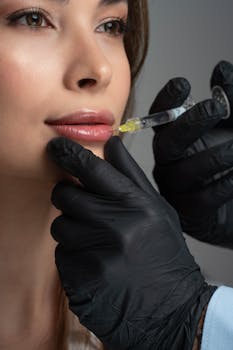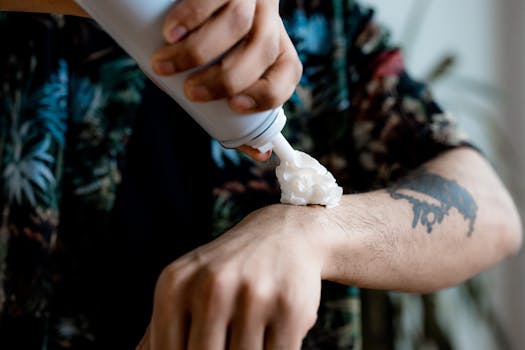
Considering Botox treatments but worried about discomfort? The use of numbing cream for Botox injections can greatly enhance your comfort, making the procedure a more pleasant experience. Numbing creams work by temporarily desensitizing the nerve endings in the skin, which can minimize the sensation of needle pricks.
Understanding Numbing Cream for Botox
Numbing cream for Botox is a topical anesthetic that is applied to the skin prior to injection. The primary purpose of these creams is to reduce the pain and discomfort associated with the procedure. By blocking the pain signals at the nerve endings, numbing creams help ensure that you experience minimal discomfort.
These creams typically contain active ingredients like lidocaine or prilocaine, which are widely used in various medical applications for their numbing effects. The application process is simple: the cream is applied to the treatment area, covered with a dressing, and left for a specified time to take effect.
Benefits of Using Numbing Cream for Botox Treatments
There are several advantages to using a numbing cream for Botox treatments. First and foremost, it enhances patient comfort by effectively reducing pain. This is especially beneficial for individuals with a lower pain threshold or for those who are experiencing Botox for the first time.
Another benefit is the ease of application. The protocol for using numbing creams is straightforward and can be done either at the clinic or at home prior to the treatment, depending on your healthcare provider’s instructions.
Additionally, by minimizing discomfort, you might be more likely to maintain a calm and relaxed state, which can contribute to a successful procedure with optimal results. For more on Botox procedures, including various types and their specific results, take a look at our comprehensive guide to Botox treatments.
How to Properly Use Numbing Cream
Using numbing cream effectively involves a few key steps. Begin by cleaning the treatment area to remove any dirt or oils that might interfere with the numbing process. Apply a generous amount of cream to the area, ensuring it covers the skin thoroughly.
After application, cover the area with a plastic wrap or occlusive dressing to enhance absorption. This should be done around 30 to 60 minutes before your Botox appointment, as recommended by your healthcare provider. Make sure to wipe off the cream and clean the area before the injection process begins.
Considerations and Precautions
While numbing creams are generally safe, they are not suitable for everyone. It’s important to consult with your healthcare provider to determine if this option is appropriate for you. Individuals with allergies to lidocaine or any other ingredient in the cream should avoid its use.
Excessive use of numbing creams can lead to possible side effects such as skin irritation or, in rare cases, systemic reactions. Follow the instructions carefully, and if you experience any adverse reactions, seek medical assistance immediately.
The Role of Numbing Cream in Botox Sessions
The strategic use of numbing cream for Botox can significantly impact your overall experience. By reducing anxiety about pain, you can stay more relaxed and focused on the rejuvenation benefits of the treatment. The numbing effect does not alter the effectiveness of Botox, so you can expect the same results without the discomfort.
As the cosmetic industry advances, options for minimizing treatment discomfort continue to improve. Whether it’s through new anesthetic formulations or advanced application techniques, the goal remains the same: to provide a comfortable, efficient, and effective experience for every patient.
Moreover, credible sources like this general health guide offer additional insights and up-to-date information on topical anesthetics and their usage.
Conclusion
Using a numbing cream for Botox can be a valuable tool in ensuring a more comfortable treatment experience. By expertly numbing the skin before injections, these creams help to alleviate concerns about pain and contribute to a positive and calm treatment environment. Always remember to follow your healthcare provider’s guidance and enjoy a smoother, more comfortable Botox experience.
- Numbing creams are effective in reducing pain associated with Botox treatments.
- They contain active ingredients like lidocaine or prilocaine.
- Application is simple and usually occurs 30-60 minutes before treatment.
- Consult with healthcare professionals to ensure safety and efficacy.
- Numbing creams enhance the overall treatment experience, not the results.
FAQ
What is the active ingredient in Botox numbing creams?
The active ingredients in Botox numbing creams are typically lidocaine or prilocaine, both of which are effective topical anesthetics.
How long should I leave the numbing cream on before a Botox treatment?
Numbing cream should generally be applied 30 to 60 minutes before the treatment to achieve optimal results. Follow your healthcare provider’s specific instructions.
Are there any side effects of using numbing cream?
While side effects are rare, they can include skin irritation and, in very uncommon instances, systemic effects. Always use the cream according to instructions and consult with a healthcare provider.
Can I apply numbing cream myself before visiting the clinic?
Yes, you can apply numbing cream yourself if advised by your healthcare provider. Make sure to adhere to the guidelines given for usage.
Does numbing cream affect the effectiveness of Botox?
No, numbing cream does not interfere with the effectiveness of Botox. It only works to desensitize the skin and reduce discomfort during the injection process.