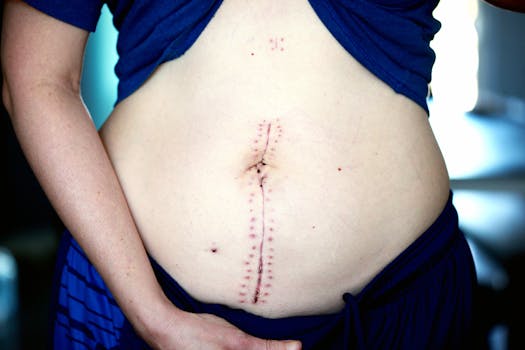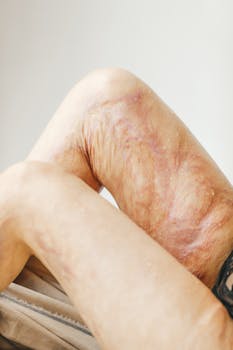
When considering how long for scars to fade, it’s important to know that the timeline can vary widely depending on several factors such as the severity of the wound, the type of skin, and the level of care provided to the injured area. While some scars can lighten in weeks, others may take months or even years to become less noticeable.
Factors Influencing How Long for Scars to Fade
Understanding what influences scar healing can help manage expectations and improve the scar appearance:
- Type of Scar: Different types of scars, such as hypertrophic scars or keloids, can have varying healing timelines. Keloids, for example, may take longer to fade and sometimes require specific treatments.
- Skin Type: Individuals with darker skin tones may notice pigmentation changes that last longer. Certain skin types are more prone to thick or dark scars.
- Location of Scar: Areas of the body that are constantly moving, such as joints, may heal differently than other areas.
- Age and Health: Younger people and those in good health usually experience faster healing times. Healthy habits such as maintaining hydration and proper nutrition can support skin recovery.
How Long for Scars to Fade: Typical Healing Timeline
The healing process typically goes through several stages, which can span months:
Initial Healing Phase (0-1 Month)
This phase involves the initial response to injury. The wound typically goes through inflammation and scabbing. At this stage, keeping the area clean and protected is crucial to prevent infection and promote healing.
Active Healing Phase (1-3 Months)
The body begins the task of rebuilding tissue. You may notice changes in texture and color as new collagen is laid down. Moisturizing and gently massaging the area can support this process. Techniques such as silicone gel sheets are sometimes recommended by dermatologists to flatten and soften raised scars.
Maturation Phase (3 Months to 1 Year)
This phase involves the reshaping of collagen and scar tissue. Gradual fading of the scar color occurs, and any raised areas should flatten over time. Consistent protection from the sun is essential during this phase as UV rays can darken the scar.
Ways to Help Scars Fade More Quickly
While individual results may vary, here are some methods that may help reduce scar visibility:
- Sun Protection: Regular application of sunscreen can prevent scars from becoming pigmented.
- Hydration: Keeping the skin well-moisturized can support the natural healing process.
- Professional Treatments: If over-the-counter treatments are not effective, consult a dermatologist for options like laser treatment, chemical peels, or microdermabrasion.
For more detailed information and expert advice on scar treatment options, check out our guide on removing scar tissue.
When to Consult a Dermatologist
If a scar is painful, itchy, or showing no signs of improvement after several months, it might be time to seek professional advice. Some scars require specialized treatments to improve their appearance.
For more information on scar formation and healing processes, you can refer to this detailed resource from Wikipedia’s health article.
Final Thoughts on How Long for Scars to Fade
Ultimately, the question of how long for scars to fade depends on several factors, from individual skin types and health conditions to the nature of the scar itself. Patience and proper care are essential to help minimize scar visibility over time.
- The scar healing process typically takes several months to a year.
- Key factors influencing scar fading include skin type, health, and care provided.
- Sun protection and hydration can aid in improving scar appearance.
- Professional treatments are available for stubborn scars.
- Consult a dermatologist if the scar causes discomfort or proves resistant to at-home treatments.
What is the best way to care for a new scar?
Keeping the scar clean, moisturized, and protected from the sun can help improve its appearance. Using recommended products like silicone gel sheets may also aid the healing process.
Do all scars eventually fade?
Most scars will fade over time, but the degree of fading can vary. For some, scars become considerably less visible; for others, they may remain more prominent.
Can diet affect how scars heal?
A balanced diet rich in vitamins and minerals can aid the body’s healing processes, potentially affecting how scars heal. Staying hydrated is also beneficial for skin health.
Are there medical treatments for stubborn scars?
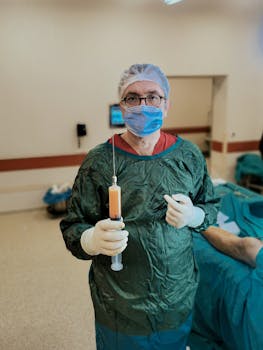
Yes, options like laser therapy, microneedling, and steroid injections are available for those seeking to reduce scar visibility. A dermatologist can provide personalized advice and treatment plans.
How can I prevent scars from forming?
Prompt treatment of a wound, maintaining cleanliness, and applying pressure or silicone gels can help minimize scar formation. Consulting a healthcare provider for serious wounds is also advised.