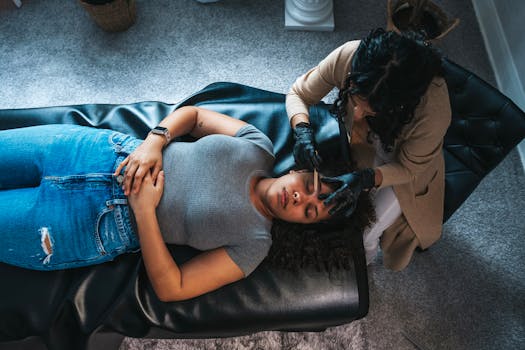
Dermaplaning is a trending skincare treatment, promising smoother and more radiant skin. If you’re considering trying it, you might wonder, how often should you dermaplane? The key to effective dermaplaning lies in striking the right balance—often enough to enjoy its benefits, but not so frequently that your skin becomes irritated.
How Often Should You Dermaplane?
Dermaplaning is a method of exfoliation that involves a trained professional using a sterilized blade to gently remove dead skin cells and fine facial hair, or “peach fuzz.” This refreshing treatment helps with cell turnover and can make your skincare products more effective. So, how often should you dermaplane?
The frequency of dermaplaning varies based on individual skin types and needs. Typically, experts recommend dermaplaning every four to six weeks. This interval allows your skin to go through its natural regeneration cycle without causing undue stress or irritation.
Factors Influencing Dermaplaning Frequency
Several factors can influence how often you should indulge in dermaplaning:
- Skin Type: Individuals with sensitive skin may need to wait longer between sessions, while those with more resilient skin might benefit from more frequent treatments.
- Skincare Routine: Your daily skincare routine might also affect frequency. For example, if you use proactive skincare products like retinoids, you may require fewer dermaplaning sessions.
- Skin Concerns: Those dealing with acne scars or hyperpigmentation may dermaplane more often, combined with other treatments, to aid in the healing process.
The Benefits and Risks of Dermaplaning
Dermaplaning offers multiple benefits, including smoother skin texture, reduced appearance of fine lines, and enhanced penetration of skincare products. A clean slate results in a dewy, youthful appearance.
However, it’s essential to be aware of the potential risks. While generally safe, dermaplaning can cause temporary redness, irritation, or breakouts, especially with improper technique or excessive frequency. Always ensure the procedure is conducted by a licensed and experienced professional to minimize risks.
Precautions and Aftercare
Adhering to proper aftercare is crucial. After dermaplaning:
- Avoid direct sun exposure, and always use sunscreen to protect your freshly exfoliated skin.
- Steer clear of heavy makeup for a day or two after treatment.
- Keep your skin hydrated with a gentle moisturizer to promote healing.
For more in-depth exploration of skincare routines and treatments, you might want to delve into our guide on intermittent fasting and heart health.
Exploring Additional Advantages of Dermaplaning
One might consider dermaplaning not just for its beauty-centric benefits but for overall skin health too. As it exfoliates, this treatment helps unclog pores, reducing the occurrence of acne and blackheads. This aspect is especially beneficial for those who frequently experience clogged pores.
Dermaplaning is also a non-invasive procedure, offering a quicker recovery time compared to other forms of physical exfoliation treatments. Its suitability for nearly all skin types, from dry to oily, makes it a versatile option for many people looking to enhance their skincare regimen.
Regular Dermaplaning and Its Impact
Regular dermaplaning at appropriate intervals, as mentioned, can contribute to the long-term health and vibrancy of your skin. As part of a balanced approach, regular sessions encourage better management of skin texture and pigmentation irregularities.
Nonetheless, integrating professional guidance is essential. Consulting with a dermatologist or licensed skincare professional ensures that dermaplaning integrates well with your existing cosmetic treatments and helps you harness optimal benefits.
For more information about health and wellness topics, consider visiting credible resources like this page on health definitions and perspectives.
- Dermaplaning every four to six weeks is generally recommended.
- Frequency depends on your skin type, condition, and overall skincare routine.
- Benefits include smoother skin texture and better product absorption.
- Professional oversight is essential for safe, effective dermaplaning.
- Aftercare is crucial to maintaining results and preventing irritation.
FAQs
What is dermaplaning?
Dermaplaning is a cosmetic procedure that uses a special blade to exfoliate your skin, removing dead cells and fine hairs.
Is dermaplaning safe for all skin types?
While dermaplaning is generally safe for most skin types, those with very sensitive skin or active acne should consult a dermatologist before proceeding.
Can I dermaplane at home?
While some at-home dermaplaning kits are available, professional treatment ensures safety and effectiveness, minimizing the risk of injury or adverse effects.
How does dermaplaning differ from microdermabrasion?
Dermaplaning uses a blade for exfoliation, while microdermabrasion employs a specialized device to sand away the top layer of skin.
How often should you dermaplane to see results?
For optimal results, dermaplane every four to six weeks, allowing your skin to recover and regenerate naturally between sessions.