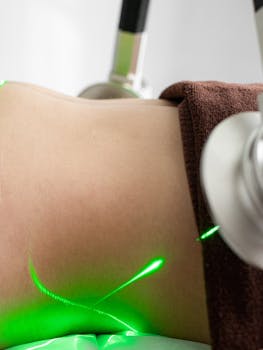
Many people look into upper back liposuction before and after results to understand the potential transformative effects of this cosmetic procedure. This type of liposuction targets excess fat in the upper back, often referred to as the “bra bulge,” and can lead to a more contoured and smoother appearance. By learning more about the procedure and analyzing before-and-after photos, you can gain a realistic expectation of what liposuction might achieve for your upper back.
Understanding Upper Back Liposuction Before and After
Upper back liposuction is a surgical technique aimed at removing fat deposits that resist traditional methods like diet and exercise. These stubborn fat pockets can make the back appear bulkier. The procedure typically involves small incisions through which a tube, or cannula, is inserted to suction out the fat.
The immediate visual results of upper back lipo before and after can be significant. Patients generally notice a reduction in size along with smoother contours. However, the final results can take several months to fully manifest as swelling subsides and the skin adjusts to its new shape.
Preparing for Upper Back Liposuction
Before opting for upper back liposuction, it’s important to understand what’s involved. Discussing expectations with a board-certified plastic surgeon will help you make an informed decision. Candidates usually should be in good health, have realistic expectations, and lead a lifestyle that includes a balanced diet and regular exercise for optimal results.
During your consultation, your surgeon will evaluate your medical history and explain the potential risks and outcomes. Pre-operative instructions normally include guidelines on diet, medications, and activity level prior to surgery to optimize safety and recovery.
The Procedure: What to Expect
The liposuction procedure generally takes a few hours and is performed under local or general anesthesia. During surgery, small incisions are made in the targeted area, and a sterile solution may be introduced to minimize bleeding and discomfort.
The surgeon will then use the cannula to carefully remove excess fat from the upper back, resulting in a smoother, more defined appearance. Once the desired contour is achieved, incisions are closed, and a compression garment may be applied to support healing and reduce swelling.
Recovery and Results
Immediately after upper back liposuction, patients are required to wear a compression garment to help minimize swelling and support the new contour of the back. Recovery time can vary, but most individuals can resume normal activities within a week, although strenuous exercise should be avoided for a few weeks.
It’s important to follow your surgeon’s post-operative care recommendations closely to ensure the best results. Swelling may persist for some time, and the final results can usually be appreciated fully within three to six months. Comparing upper back liposuction before and after photos will help illustrate the changes wrought by the procedure.
For comprehensive guidance on a similar procedure, explore our expert tips on upper arm liposuction to expand your understanding of cosmetic contouring techniques.
The Importance of Choosing a Qualified Surgeon
Choosing the right surgeon is crucial for achieving desired results while minimizing risks. It’s advisable to select a board-certified plastic surgeon with extensive experience in liposuction techniques. During consultations, inquire about the surgeon’s qualifications, experience, and ask to see a portfolio of upper back lipo before and after photographs from previous patients.
Long-Term Maintenance and Considerations
While liposuction permanently removes fat cells, remaining fat cells can expand if a healthy lifestyle is not maintained. Therefore, maintaining a stable weight through diet and exercise is essential for preserving the contours achieved by liposuction.
There is ongoing research and development in cosmetic surgery, continuously improving techniques and outcomes. Reviewing current studies and staying informed about future advancements can be beneficial, particularly when considering undergoing a cosmetic procedure.
For more detailed information on liposuction, readers can access trusted resources such as Wikipedia’s entry on health, which provides a broader context on medical procedures.
In conclusion, upper back liposuction before and after transformations can be a fulfilling way to enhance body contours and boost self-confidence. However, potential candidates should thoroughly evaluate all aspects of the procedure and consult with qualified professionals to ensure the best possible results.
- Upper back liposuction targets stubborn fat for a smoother back contour.
- A thorough consultation with a board-certified surgeon is essential.
- Post-operative care is crucial for optimal recovery and results.
- Long-term success relies on maintaining a healthy lifestyle.
- Be informed about recent advances in cosmetic surgery.
Is upper back liposuction painful?
The procedure is generally performed under anesthesia, which minimizes pain during surgery. Some discomfort and swelling can be expected during recovery.
How soon can I return to work after upper back liposuction?
Most patients can return to work within a week, provided their job isn’t physically demanding. Follow-up care and activity restrictions are tailored to individual recovery.
What are the risks associated with upper back liposuction?
While generally safe, risks may include infection, asymmetry, and changes in skin sensation. A qualified surgeon will discuss these potential complications before the procedure.
Can the fat return after liposuction?
Removed fat cells do not return; however, remaining fat cells can enlarge with weight gain, emphasizing the importance of a healthy lifestyle.
How do I choose the right surgeon for my procedure?
Ensure the surgeon is board-certified, experienced in liposuction, and willing to provide before-and-after photos from previous procedures to help set realistic expectations.