Acne scars can be a challenging skin concern, and many people consider chemical peels to improve their skin texture. If you are exploring chemical peel solutions, you might be curious about chemical peel before and after acne scars to better understand how this treatment can transform your skin. This post will delve into everything you need to know about chemical peels, their effectiveness, and what you might expect from this treatment journey.
Chemical Peel Before and After Acne Scars: What to Expect
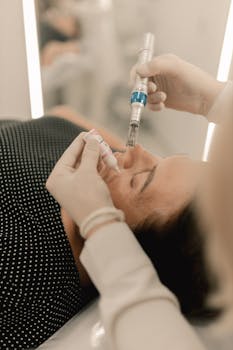
Chemical peels involve applying a solution to the skin, which exfoliates the outermost layers, revealing new skin underneath. This process can help reduce the appearance of acne scars, making them less noticeable over time. However, the results can vary based on the severity of the scars and the type of peel used.
Understanding Chemical Peels
There are three main types of chemical peels: superficial, medium, and deep. Superficial peels are gentle and mainly target the outermost layer of skin, while medium peels penetrate deeper to remove damaged skin cells. Deep peels offer the most dramatic results but also involve a longer recovery time.
How Chemical Peels Work on Acne Scars
Chemical peels can help with both the texture and discoloration of acne scars. They work by promoting new cell growth and collagen production, which can gradually fill in depressed scars and even out skin tone. This makes them a viable option for those seeking to reduce the impact of past acne on their skin.
Visible Results: Chemical Peel Before and After Acne Scars
Before undergoing a chemical peel, it’s crucial to have realistic expectations. While some individuals may notice significant improvements, others might see more subtle changes. The extent of results often depends on the depth of the peel, the type of scars, and individual skin type. Photographic documentation before and after treatments can provide a clearer understanding of progress.
Factors Influencing Results
Several factors can influence chemical peel outcomes, including your skin’s natural healing abilities and post-treatment care. It’s essential to follow all pre-and post-procedure instructions provided by your dermatologist to maximize results and minimize risks.
Potential Side Effects
Chemical peels can come with side effects, such as redness, swelling, or peeling skin. These are generally temporary but should be considered when planning your treatment. In rare cases, peels can cause scarring or changes in skin color; thus, consulting a professional is imperative for anyone considering this option.
Preparing for a Chemical Peel
Before committing to a chemical peel, a thorough consultation with a dermatologist is recommended. This will help determine the best type of peel for your skin and acne scar type. It is also an opportune time to ask any questions about the procedure, expected results, and any concerns you may have.
Aftercare Tips
Post-peel care is crucial for optimal results. This usually includes moisturizing the skin, avoiding sun exposure, and refraining from picking at peeling skin. Proper aftercare ensures that new skin is well-protected and heals efficiently.
For more detailed guidance on what to expect from chemical peels, check our article on chemical peel for pimples.
Benefits of Chemical Peels Beyond Acne Scars
In addition to addressing acne scars, chemical peels can offer anti-aging benefits, improve skin texture, and enhance overall complexion. Regular treatments can help maintain these benefits over time, assisting in a refreshed and rejuvenated appearance.
Long-term Maintenance and Considerations
Depending on skin goals, maintenance treatments may be required. Some individuals opt for lighter peels more frequently, while others prefer infrequent but more intensive treatments. A dermatologist can guide you in deciding the best strategy tailored to your skin needs.
Exploring chemical peel before and after acne scars can provide valuable insights into whether this procedure aligns with your skincare goals. While not a one-size-fits-all solution, they offer a promising approach to minimizing acne scars for many individuals.
- Chemical peels vary in depth: superficial, medium, and deep.
- Results depend on scar severity, peel depth, and skin type.
- Consult a dermatologist for personalized advice.
- Post-treatment care is crucial for safety and effectiveness.
- Managing expectations can lead to more satisfying results.
What skin types are suitable for chemical peels?
Chemical peels can be used on various skin types, but individuals with lighter skin tones may see more consistent results. It’s essential to consult a dermatologist to assess suitability.
How do I know which type of chemical peel to choose?
A dermatologist can recommend the best peel type based on your skin condition, the severity of acne scars, and personal skin goals.
Are chemical peels safe?
When performed by a qualified professional, chemical peels are generally safe. It’s crucial to follow all pre-and post-care instructions to minimize risks.
How long do results from a chemical peel last?
Results can last several months, but regular treatments may be necessary for maintaining and enhancing improvements.
Where can I learn more about skin health and treatments?
For further information, visit the Health page on Wikipedia for a comprehensive look at skin treatments and health considerations.