When it comes to core health and aesthetics, tummy muscle repair can be a crucial procedure. This process often follows significant weight loss, pregnancy, or abdominal surgeries, helping restore both function and appearance. Whether you’re considering abdominal muscle surgery or need a muscle repair tummy tuck, understanding the ins and outs can empower you to make informed choices.
What is Tummy Muscle Repair?
Tummy muscle repair often involves the surgical reattachment or tightening of separated or damaged stomach muscles. Medically, this procedure can be necessary due to conditions like diastasis recti, where the left and right side muscles of the abdomen spread apart. This can be caused by factors like pregnancy, rapid weight change, or other conditions impacting abdominal structure.
In many cases, a muscle repair tummy tuck, also known as abdominoplasty, may be recommended. This procedure combines muscle repair with the removal of excess skin and fat, offering both functional and aesthetic benefits.
Why Consider Abdominal Muscle Surgery?
Individuals might opt for stomach muscle surgery for several reasons. Beyond aesthetic improvements, repairing weak or separated muscles can alleviate associated back pain, improve posture, and enhance core strength. For many, this translates to improved quality of life and physical capability.
Abdominal muscle surgery is more than just a cosmetic decision; sometimes, it is a necessary step toward addressing medical complications. Always consult with a healthcare provider to determine if this is the best option for your specific needs.
The Tummy Muscle Repair Procedure
The process typically starts with consultations where an expert evaluates your overall health, medical history, and specific needs. During surgery, an incision is made in the lower abdomen, and through this, the surgeon will access the muscles for repair. Depending on the complexity, the procedure may vary, with some cases allowing for laparoscopic techniques that minimize scarring.
After the surgery, patients usually face a recovery period that includes rest, allowing the body to heal effectively. Following post-operative care instructions is vital for optimal recovery, minimizing complications, and achieving the desired outcomes.
Recovery and Post-Operation Care
Post-surgery recovery for tummy muscle repair demands patience and adherence to guidelines. Initially, you might experience discomfort, swelling, or bruising, but these symptoms typically subside. Your doctor will likely advise limited physical activity, and wearing a compression garment might be recommended to support the newly repaired muscles.
Following your surgeon’s advice regarding activities to avoid and when to resume normal routines will steer your recovery in the right direction. Regular follow-ups ensure any complications are caught early, allowing timely care.
Understanding the Risks
Like any medical procedure, stomach muscle repair carries potential risks. These may include infection, bleeding, anesthetic reactions, or issues with wound healing. Discussion with your healthcare provider about these risks will equip you with the necessary knowledge to mitigate them.
It’s prudent to select a qualified and experienced surgeon to minimize potential risks. Your surgeon’s expertise directly impacts the procedure’s safety and efficacy.
Alternatives and Non-Surgical Options
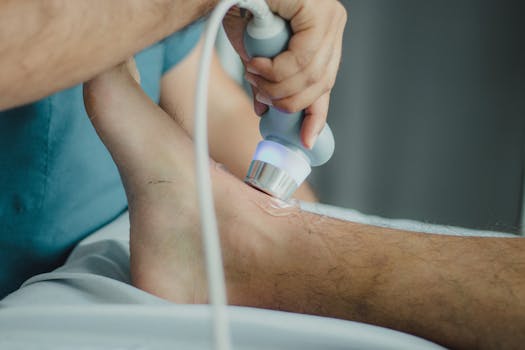
For individuals hesitant about surgery, several non-surgical options can be explored. Physical therapy, specific exercises targeting core strength, and lifestyle modifications may help improve muscle function. While these methods might not offer the dramatic results of surgery, they are less invasive solutions worth trying.
Consultation with a physician or physiotherapist can provide guidance tailored to your unique circumstances, helping you explore all available options.
Tummy Muscle Repair: Key Considerations
Choosing tummy muscle repair is a personal decision that should rest on comprehensive research and professional advice. Considering factors like cost, recovery time, and the intended outcome can inform your decision process.
Readers interested in sustainable practices might enjoy exploring eco-friendly self-care strategies, complementing post-surgery care.
For broader information on health and surgical procedures, you can refer to credible sources like Wikipedia for comprehensive health-related articles.
In summary, gaining an understanding of tummy muscle repair, whether surgical or non-surgical, emphasizes the importance of core health. Balancing medical advice with personal goals ensures a well-rounded approach to this procedure.
- Tummy muscle repair restores abdominal structure and function.
- Abdominal muscle surgery can enhance quality of life by addressing diastasis recti.
- Post-operative care and professional guidance are essential for recovery.
- Risks are present, yet manageable with experienced medical support.
- Exploring non-surgical options is a valid approach for some individuals.
What are the common reasons for needing tummy muscle repair?
Common reasons include pregnancy, significant weight changes, and post-abdominal surgery complications, often resulting in muscle separation or weakness.
How long does recovery take after stomach muscle surgery?
Recovery time can vary, but most individuals resume normal activities within 6–8 weeks, with full recovery possibly taking several months.
Are there non-surgical alternatives for muscle repair?
Yes, options such as physical therapy and exercises focused on core strength can help, though they may not fully replace surgical outcomes in severe cases.
What are the potential risks of a tummy muscle repair procedure?
Risks include infection, bleeding, anesthetic complications, and wound healing issues. Discussing these with your surgeon is critical for a safe procedure.
How can I prepare for a muscle repair tummy tuck?
Preparation involves medical assessments, adjusting medications, and following specific pre-surgery guidelines provided by your healthcare provider.
In conclusion, understanding and navigating the realm of tummy muscle repair can lead to informed decisions that support your health and wellness goals.