Stretch marks on the inside of thighs can be a common concern for many individuals, causing curiosity and, at times, distress. These streaks or lines on the skin can vary in color, often starting as red or purple before fading to white or silver. Understanding what causes these marks and why they develop in certain areas, such as the upper thigh, can be helpful for those looking to manage or reduce their appearance.
What Causes Stretch Marks on the Inside of Thighs?
Stretch marks, or striae, commonly occur when the skin is stretched rapidly due to growth spurts, weight gain, or muscle building. The deeper layer of the skin is torn and leaves behind the marks we see on the surface. Hormonal changes, such as those during puberty or pregnancy, and genetic factors can also play a role in the development of stretch marks on the inner thighs.
Why Do My Legs Have Stretch Marks?
If you’ve noticed stretch marks on your legs, you’re not alone. These marks often appear on the thighs because this area is prone to fatty deposits and can experience a lot of stretching, especially during periods of growth or weight changes. The skin’s elastic fibers may not always withstand these changes, leading to red stretch marks on the inner thighs.
Common Factors Leading to Stretch Marks
Several factors can influence the formation of stretch marks, including:
- Genetics: Your genetic makeup can determine how likely you are to develop stretch marks.
- Hormonal Changes: Hormones can weaken the skin’s elastic fibers, making them more prone to tearing.
- Body Changes: Rapid weight gain or loss and growth spurts during puberty are common triggers.
- Physical Activity: Building muscle mass quickly can also contribute to the formation of stretch marks on upper thighs.
Managing and Reducing Stretch Marks
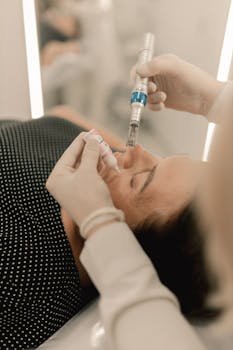
While it might not be possible to completely eliminate stretch marks, certain treatments may support their reduction. Topical treatments, laser therapy, and microdermabrasion are some options that individuals often explore. For more information on skin treatments, you might find our article on inner thigh skin care and treatments useful.
Professional Advice and Treatment Options
For noticeable stretch marks that cause concern, consulting with a dermatologist can be beneficial. They can provide personalized advice on the most suitable treatments based on skin type and the appearance of the stretch marks. It’s important to set realistic expectations, as most treatments aim to lessen the appearance rather than completely remove the marks.
Prevention Tips
Although it may not always be possible to prevent stretch marks entirely, certain measures may reduce their likelihood:
- Maintain a healthy and stable weight.
- Keep the skin moisturized to support its elasticity.
- Incorporate a balanced diet rich in vitamins and minerals.
- Stay hydrated by drinking plenty of water.
- Exercise regularly to promote healthy circulation.
Understanding the causes and potential treatments for stretch marks on the inside of thighs can help provide you with practical options for management. For comprehensive health information, consider visiting Health at Wikipedia.
Conclusion
Whether it’s due to hormonal changes, rapid growth, or other factors, stretch marks on the inside of thighs are a common condition that many people experience. Proper skincare, professional guidance, and realistic expectations can help manage and potentially reduce their appearance.
- Stretch marks are common and often develop on the thighs due to rapid skin stretching.
- Genetics, hormones, and body changes play significant roles in their formation.
- While complete removal of stretch marks is challenging, various treatments may reduce their appearance.
- Moisturization and maintaining a healthy weight may help in prevention.
- Professional consultation offers tailored advice and treatment options.
FAQ
Are stretch marks on the inside of thighs permanent?
Stretch marks are generally permanent, but they often fade over time. Various treatments can help reduce their appearance.
Do stretch marks indicate a health problem?
Stretch marks are typically a cosmetic concern and not indicative of a health issue. However, if you’re concerned, consult a healthcare professional.
Can weight loss remove stretch marks?
Weight loss doesn’t remove stretch marks, but it may prevent new ones. Existing marks might become less noticeable as they fade over time.
Will tanning help in hiding stretch marks?
Tanning can make stretch marks more noticeable because they don’t tan in the same way as the surrounding skin. It’s better to consult with a dermatologist for effective options.
What’s the best treatment for stretch marks on inner thighs?
The best treatment varies per individual. Options include topical treatments, laser therapy, and microdermabrasion. It’s advisable to consult a dermatologist for personalized advice.