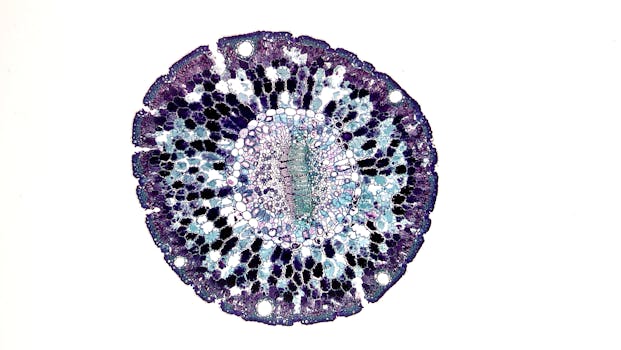
In the quest for radiant and youthful skin, the concept of using stem cells for face treatments has emerged as a fascinating frontier. Stem cells, known for their ability to renew and repair, offer promising potential when it comes to facial rejuvenation and skincare. This transformative approach is attracting attention from both scientific communities and skincare enthusiasts, eager to explore its benefits and applications.
The Benefits of Stem Cells for Face Rejuvenation
The application of stem cells in facial treatments is based on their unique capacity to regenerate and repair tissues. These cells can potentially stimulate the production of collagen and elastin, key components that contribute to skin firmness and elasticity. As we age, the natural production of these proteins decreases, leading to wrinkles and sagging skin. By promoting collagen production, stem cells may help to reverse some signs of aging.
Various topical stem cell therapies are being explored for their ability to enhance skin’s vitality and repair damage from UV exposure and pollution. These treatments may offer a non-invasive alternative to more traditional methods like injections or surgery.
How Stem Cell Therapy Works
Stem cell therapy for the face typically involves using derived cells from either plant or animal sources. These cells are incorporated into serums or creams designed to penetrate the skin and deliver regenerative benefits. Some approaches also explore the use of personalized stem cells harvested from the individual’s own body, ensuring compatibility and reducing the risk of adverse reactions.
Different Types of Stem Cells Used
There are several types of stem cells being studied for facial applications:
- Adipose-derived stem cells: Collected from fat tissue, these cells are rich in growth factors and have shown promise in skin regeneration.
- Bone marrow-derived stem cells: Known for their potent regenerative abilities, they are often used in medical therapies and cosmetic procedures.
- Plant stem cells: Derived from botanicals like Swiss apples and other plant sources, these are mainly used in topical applications for their antioxidant properties.
Each type of stem cell offers different potential benefits, and ongoing research is essential to fully understand their efficacy and safety.
Safety and Efficacy
As with any emerging treatment, understanding the safety and effectiveness of stem cell therapies is crucial. While some studies suggest positive outcomes, it’s important to rely on treatments backed by rigorous scientific testing. Consulting with a dermatologist or a professional with expertise in stem cell treatments can provide personalized insights and recommendations.
Innovations and Future Directions
The field of stem cell research is rapidly evolving, with continued advancements aimed at refining the methods and efficacy of treatments. Innovations such as utilizing nano-technology and 3D printing to enhance the delivery and potency of stem cell therapies are being explored. Such developments hold promise for more effective and accessible treatments.
For those considering stem cell therapy for face rejuvenation, staying informed about new research and clinical trials can provide valuable insights into the latest findings and technologies.
Conclusion: Transforming Skincare with Stem Cells
Incorporating stem cells for face treatments represents a significant leap forward in the pursuit of youthful and healthy skin. As research progresses and more is understood about their applications and benefits, stem cells may become a standard part of anti-aging and skincare regimens. However, it’s crucial for consumers to continue seeking reliable information and advice from healthcare professionals when considering such treatments.
Takeaways
- Stem cells have potential to enhance skin rejuvenation by promoting collagen and elastin production.
- Various types of stem cells are used, each with unique properties and benefits.
- New research is necessary to fully understand the safety and effectiveness of stem cell therapies.
- Consulting with professionals can provide personalized advice and recommendations.
- Ongoing advancements in this field promise exciting possibilities for skincare.
Frequently Asked Questions
What are stem cells and how do they work for facial rejuvenation?
Stem cells are unique cells with the ability to differentiate into various cell types, aiding in tissue repair and renewal. When applied in facial therapies, they can stimulate the regeneration of skin cells, potentially improving skin firmness and appearance.
Are stem cell treatments safe for skin applications?
While promising, stem cell treatments should be approached with caution. It’s essential to select treatments validated by scientific research and to consult healthcare professionals for personalized advice.
Can stem cells replace traditional anti-aging treatments?
Stem cells offer an innovative approach to skincare, but they are typically viewed as complementary to other treatments rather than replacements. They provide additional options for those seeking non-invasive alternatives to traditional methods.
How accessible are stem cell therapies for facial applications?
Currently, accessibility varies depending on regional regulations and the availability of approved therapeutic options. As research advances, these therapies may become more widely available.
Where can I find credible information about stem cell therapy?
To learn more about stem cell research and therapies, consider exploring reliable sources such as academic journals and governmental health websites. A good starting point is the Wikipedia page on health for general information.