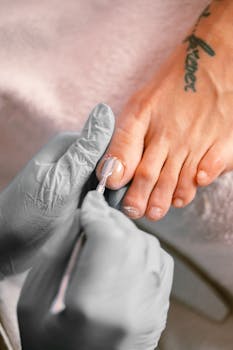
Have you noticed a change in the color of your toenail, specifically wondering why is my toenail black? This common issue can be alarming if you’re not sure of its cause. Black toenails can be the result of various factors ranging from minor injuries to more serious underlying health conditions. Understanding the causes and learning about potential treatment options can help alleviate concerns and guide you toward proper care.
Why Is My Toenail Black?
A black toenail can indicate several possible issues. In many cases, it may be due to trauma or injury, causing blood to pool under the nail. This can result from something as simple as stubbing your toe or from repetitive pressure, such as wearing ill-fitting shoes or engaging in activities like running. Blood under the nail is medically known as a subungual hematoma, which may resolve on its own, though it can be quite painful.
Common Causes of a Black Toenail
There are several other common causes for a blackened toenail. Here’s a breakdown of potential reasons:
- Fungal Infections: Fungi can penetrate the nail, leading to discoloration and thickening.
- Melanonychia: This can result from increased melanin, appearing as dark streaks along the nail. It is often harmless but should be assessed for signs of melanoma.
- Underlying Health Conditions: Conditions such as diabetes can alter circulation and potentially lead to nail discoloration.
- Nail Polish and Pigments: Frequent use of certain polishes can stain the nails.
How to Treat a Black Toenail
If your black toenail stems from an injury, allowing it to grow out is often sufficient. To promote healing, keep the area clean and avoid further trauma. If pain or infection is present, consult a healthcare provider.
For fungal infections, anti-fungal treatments may be necessary. Over-the-counter creams and ointments are available, but persistent cases require professional evaluation. Ensuring proper foot hygiene is essential in preventing and managing fungal infections.
When to Seek Medical Advice
While some causes of a black toenail are harmless, certain symptoms necessitate professional consultation. If your condition is accompanied by severe pain, significant swelling, or signs of infection such as pus or persistent redness, see a doctor.
Melanonychia should be monitored for any changes in size or coloration, especially if accompanied by irregular borders. Since melanoma is a potential, though not common, reason for black toenails, professional assessment can provide peace of mind and ensure safety.
Preventing Black Toenails
Prevention strategies can help reduce the likelihood of black toenails:
- Wear Proper Footwear: Ensure your shoes fit well; too tight or too loose can cause damage.
- Maintain Foot Hygiene: Keeping feet clean and dry minimizes the risk of fungal infections.
- Regular Trimming: Keeping toenails trimmed can reduce the chance of injury.
- Use Protective Gear: If engaging in activities like running or hiking, consider protective footwear.
For more insights into nail health and common dietary questions regarding diabetic-friendly foods, explore our detailed article on nutritional considerations for diabetics.
If you’re looking for more technical details on health issues related to toenails, you might find useful information on the topic at Wikipedia’s health page.
In summary, understanding why is my toenail black involves recognizing potential causes, adopting preventive measures, and knowing when to seek professional help. Keeping a close eye on changes and maintaining proper foot care can go a long way in ensuring nail health.
- Black toenails can result from trauma, fungal infections, or health conditions.
- Most cases resolve without medical intervention.
- Seek medical advice for persistent pain or signs of infection.
- Proper footwear and foot hygiene help prevent black toenails.
FAQ
Can a black toenail heal on its own?
Yes, most black toenails from trauma or injury can heal on their own as new nail growth pushes out the discolored area. However, monitoring for any sign of infection is important.
Is a black toenail always indicative of a fungal infection?
No, while fungal infections can cause discoloration, not every black toenail is due to fungi. Trauma, health conditions, and other factors might be the cause.
How can I prevent black toenails when running?
To prevent black toenails, ensure your running shoes fit well, provide ample toe space, and keep toenails trimmed. Wearing moisture-wicking socks can also help.
When should I worry about a black toenail?
If there’s significant pain, swelling, or sign of infection, consult a doctor. Persistent or concerning discoloration should be evaluated, especially to rule out serious conditions.
Can diet affect the color of my toenails?
Indirectly, yes. Certain nutrients play a role in nail health, and deficiencies might affect appearance. A balanced diet supports overall nail and foot health.