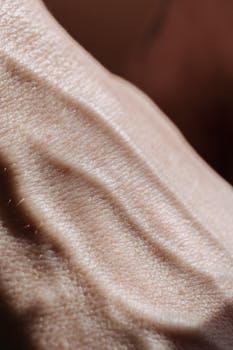
Seeing blue veins beneath your skin can often prompt curiosity and concern. For some, the question might be, “Why are my veins so blue?” The appearance of blue veins is generally due to the way light penetrates the skin and the way veins reflect and absorb certain wavelengths of light. While typically harmless, blue veins can sometimes point to underlying medical issues. Understanding what causes these visible veins and how they occur is essential in addressing any health-related concerns.
Understanding Blue Veins
The visibility of blue veins is often determined by factors such as skin tone, body fat percentage, and age. Fair-skinned individuals or those with less subcutaneous fat are more likely to notice veins that appear darker. Additionally, as we age, our skin becomes thinner, making veins more visible.
Moreover, genetics play a role in vein visibility. Those with a family history of pronounced veins may find themselves more likely to experience the same condition. Compression of veins, prolonged standing, and even certain medical conditions can exacerbate the appearance of these blue networks.
Potential Causes of Blue Veins
Blue veins can result from various causes, some benign and some requiring medical attention:
- Genetics: As noted, an inherited predisposition can make you more prone to visible veins.
- Thin Skin: Aging or fair skin reduces the thickness of the upper skin layers, allowing underlying veins to show through more clearly.
- Body Fat: Lower levels of body fat can lead to more prominently visible veins.
- Exercise: Physical activity, especially weightlifting, can temporarily increase blood flow and pressure in veins, making them more pronounced.
- Temperature Changes: Hot weather can cause veins to appear more visible as they dilate to regulate body temperature.
- Medical Conditions: Conditions such as varicose veins or deep vein thrombosis can affect the appearance and health of your veins significantly. It is crucial to consult a healthcare provider if you experience symptoms like pain or swelling.
Managing and Addressing Blue Veins
While blue veins are often harmless, there are steps you can take to minimize their appearance or prevent potential complications. These strategies are both lifestyle-related and medical when necessary:
Maintain a Healthy Diet
A well-balanced diet can support vein health. Foods rich in antioxidants, such as fruits and vegetables, may contribute to overall vascular health. For more on how diet affects your entire wellbeing, explore our guide on gut bacteria and overall health.
Exercise Regularly
Regular physical activity promotes healthy blood circulation, which can keep veins healthy. Consistent routines that include both cardiovascular exercises and strength training can prove beneficial.
Consult a Healthcare Provider
If blue veins are accompanied by discomfort, swelling, or other unusual symptoms, it’s important to consult a healthcare professional. They can help rule out serious conditions and suggest appropriate treatment options.
Medical Treatments
For those concerned about the cosmetic appearance of blue veins, medical treatments like sclerotherapy or laser therapy can be considered. These should be discussed thoroughly with a dermatologist or healthcare provider.
Compression Garments
For mild symptoms, compression stockings may be recommended to aid in improving circulation and reducing the visibility of veins.
Conclusion
In many cases, blue veins are a normal aspect of anatomical variation rather than an indicator of poor health. Understanding the causes of blue veins can help you make informed choices about lifestyle and treatment options. If you suspect a medical condition, seeking a professional opinion is always wise. For more information on maintaining a holistic approach to health, you can visit credible sources such as Wikipedia.
- Blue veins are often harmless and related to factors such as skin tone and age.
- A healthy lifestyle can support vein health and prevent complications.
- Genetics and body composition are significant factors in vein visibility.
- Consult a healthcare provider if additional symptoms accompany vein visibility.
- Various treatments are available for cosmetic or health-related concerns regarding veins.
FAQ
What are blue veins?
Blue veins are blood vessels near the surface of the skin that appear more visible due to their color and proximity. They can be influenced by hereditary factors, body composition, and environmental conditions.
Are blue veins a sign of health problems?
In most cases, blue veins are not a cause for concern and are considered normal. However, if accompanied by pain, swelling, or discomfort, a healthcare consultation is advisable.
How can I make my blue veins less visible?
You can take measures like maintaining a healthy diet, exercising regularly, and wearing compression garments. For cosmetic concerns, medical procedures like sclerotherapy can be considered.
Do blue veins indicate varicose veins?
Not necessarily. While both conditions can cause visible veins, varicose veins are typically swollen, twisted veins that may also cause discomfort. A medical professional can provide an accurate diagnosis.
Why do my blue veins seem more prominent at times?
Fluctuations in temperature, physical activity, and even hormonal changes can affect how visible your veins are. Temporary increases in blood flow or dilation can make veins more prominent.