The LH blood test is a medical examination that measures the levels of luteinizing hormone (LH) in your bloodstream. This hormone, which is produced by the pituitary gland, plays a crucial role in regulating the reproductive system. Understanding your LH levels can provide valuable insights into your health, particularly regarding fertility and certain medical conditions.
Understanding the LH Blood Test
The LH blood test is typically ordered by healthcare professionals to investigate issues related to fertility, menstrual irregularities, or puberty concerns. By measuring LH levels, doctors can assess whether the pituitary gland is functioning correctly and whether there’s an imbalance that could affect reproductive health.
The Role of Luteinizing Hormone (LH)
Luteinizing hormone is instrumental in sexual development and reproductive function. In women, LH is involved in triggering ovulation and stimulating the production of estrogen and progesterone. In men, it aids in stimulating the production of testosterone. The levels of LH can fluctuate based on an individual’s age, sex, and phase of their menstrual cycle or developmental stage.
When Is an LH Blood Test Recommended?
Doctors may recommend an LH blood test for a variety of reasons, such as:
- Evaluating problems with fertility
- Investigating menstrual irregularities
- Assessing early or delayed puberty
- Diagnosing pituitary gland disorders
These tests help in understanding underlying health issues that might otherwise go unnoticed.
How Is the Test Conducted?
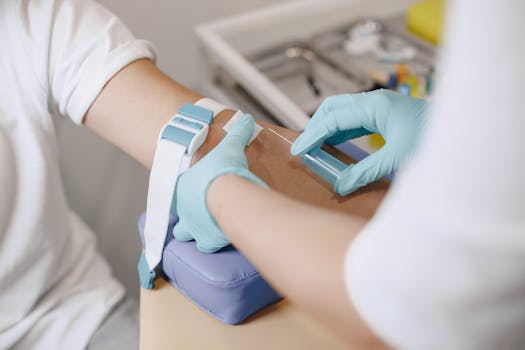
The LH blood test is straightforward and involves drawing a small sample of blood from a vein, usually in your arm. The procedure is quick, and any minor discomfort during the needle insertion and withdrawal is temporary. Results are typically available within a few days, providing information your healthcare provider can use to interpret your hormonal health.
What Do LH Blood Test Results Mean?
Results from the LH blood test can vary based on several factors, including sex and age. Generally:
- High LH levels in women may indicate menopause, ovarian failure, or polycystic ovary syndrome (PCOS). In men, high levels might suggest primary testicular failure.
- Low LH levels in either sex can indicate dysfunction of the hypothalamic-pituitary axis, possibly due to stress, anorexia, or hypopituitarism.
A healthcare provider will interpret these results in conjunction with other tests and clinical evaluations.
Factors Influencing LH Levels
Several factors can influence your LH levels. For instance, fasting, stress, and specific medications might alter hormone balances. Moreover, lifestyle factors such as diet and exercise, which relate to overall well-being, can also impact these levels. In some cases, managing blood sugar or other health aspects through balanced nutrition may be helpful. You can explore more about maintaining balanced nutrition in our article on how to lower blood sugar.
Interpreting LH Blood Test Results
Interpreting the results of your LH blood test requires professional guidance. Your healthcare provider will consider your full medical history, symptomatology, and possibly other test results before arriving at any conclusion. Results can point toward specific conditions or rule them out, helping tailor a treatment or management plan for any identified issues.
Consulting with Healthcare Professionals
Your healthcare provider plays a crucial role in explaining the results and their implications. Any adjustments in treatment, lifestyle changes, or further tests will generally be based on the test outcomes in collaboration with other clinical findings. It is vital to have open and honest communication with your healthcare provider to achieve the best health outcomes.
For more detailed information on hormonal health and LH, you may refer to this external resource on Luteinizing Hormone.
Takeaways
- The LH blood test measures the levels of luteinizing hormone to assess reproductive health.
- Luteinizing hormone is essential for both male and female hormonal functions including fertility.
- Abnormal LH levels could indicate various health conditions that require medical attention.
- Test results should always be interpreted by a healthcare professional.
- Open dialogue with your healthcare provider ensures accurate diagnosis and effective treatment planning.
FAQs
What does a high LH level indicate in women?
High LH levels in women may indicate conditions such as menopause, ovarian failure, or PCOS. It’s important to consult with a healthcare provider for accurate diagnosis.
Can lifestyle impact LH levels?
Yes, factors such as diet, exercise, and stress management can influence hormone balance, including LH levels. A healthy lifestyle may support normal hormone levels.
How soon can I expect results from an LH blood test?
Results from an LH blood test are typically available in a few days. Your healthcare provider will interpret these and discuss the implications with you.
Are there any risks associated with an LH blood test?
The test is generally safe, with minimal risks such as slight pain or bruising at the needle site. These symptoms tend to be short-lived.
Is the LH blood test used to evaluate male fertility?
Yes, the LH blood test can be used to assess male fertility, particularly when investigating causes of infertility or testicular dysfunction.
In conclusion, the LH blood test plays a vital role in diagnosing and understanding reproductive health issues. Accurate results and proper interpretation by a healthcare provider are key for effective health management and planning.