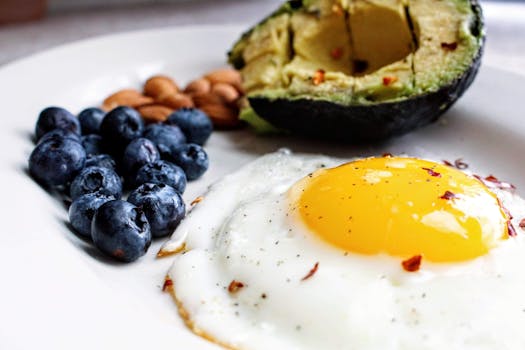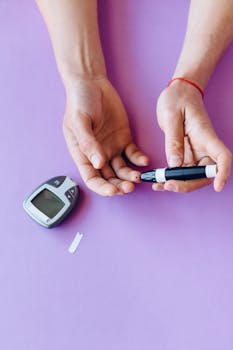
When exploring dietary strategies for optimal health, understanding the concept of low insulin foods can be essential. These foods are particularly beneficial for individuals aiming to manage their blood sugar levels effectively. Focusing on foods that provoke a minimal insulin response can be a valuable strategy in maintaining overall health and managing conditions like diabetes.
What Are Low Insulin Foods?
Low insulin foods have a minimal impact on blood insulin levels. They typically feature low glycemic indices, are rich in fiber, healthy fats, and lean proteins, helping to control spikes in blood sugar after meals. By consuming these foods, individuals can potentially manage insulin resistance and reduce the risk of developing diabetes-related complications.
Examples of Low Insulin Foods
- Non-starchy Vegetables: Greens such as spinach, kale, and broccoli are great options.
- Lean Proteins: Foods like chicken breast, turkey, and fish are low in carbohydrates and insulin-stimulating sugars.
- Legumes: Lentils and chickpeas offer fiber and protein without raising insulin significantly.
- Nuts and Seeds: Almonds, walnuts, and flaxseeds are low in carbohydrates and can help in insulin regulation.
- Healthy Fats: Avocados and olive oil provide essential fatty acids without impacting insulin levels adversely.
Why Choose Low Insulin Foods?
Incorporating low insulin foods into your diet can offer numerous health benefits including better blood sugar control and weight management. For individuals with diabetes or prediabetes, these foods can contribute to stabilizing blood sugar levels and may reduce the need for constant blood glucose monitoring. They can also form an essential part of a balanced diet and contribute to effective diabetes management.
Low Insulin Foods vs. High Insulin Foods
High insulin foods, often rich in sugars and refined carbohydrates, can cause rapid spikes in blood sugar and insulin levels. Common examples include processed snacks, sugary beverages, and white bread. In contrast, low insulin foods support sustained energy release and prevent post-meal energy crashes. While it’s important not to eliminate high insulin foods entirely, balancing your diet with more low insulin options can be beneficial.
Potential Health Benefits
Regular consumption of low insulin foods may support a range of health improvements. These include enhanced energy levels, reduced risk of chronic diseases, and improved mood stability due to more consistent blood sugar levels. Some studies suggest that these foods may also aid in weight loss and improve insulin sensitivity, which is particularly important for those with insulin resistance.
Incorporating Low Insulin Foods into Your Diet
Transitioning to a diet that includes more low insulin foods can be seamless with a few simple adjustments. Start by incorporating more vegetables into your meals, opting for whole grains instead of refined ones, and choosing natural, unsweetened products over processed foods. Meal planning and prep can also help you stay on track and make healthier food choices.
Monitoring and Dietary Adjustments
Before making any significant dietary changes, it is advisable to consult with a healthcare provider or a dietitian. They can help tailor a plan that suits your individual health needs. Additionally, using glucose monitors might be beneficial to track how certain foods impact your blood sugar and insulin levels over time.
Lastly, maintaining a balanced diet that combines both low insulin foods and other necessary nutrients ensures overall nutritional adequacy. It’s about finding a sustainable, enjoyable way to eat that supports your health goals and fits your lifestyle.
- Low insulin foods help in managing blood sugar levels effectively.
- They can be an integral part of preventing and managing diabetes.
- Choosing low insulin foods reduces the risk of energy crashes post-meals.
- Include more vegetables, whole grains, and lean proteins for best results.
- Consult a healthcare provider before making significant dietary changes.
FAQ
What are some low insulin foods that are easy to incorporate into my diet?
Some easy options include leafy greens, fish, chicken, lentils, almonds, and avocados. These foods can be easily added to meals or consumed as snacks.
How do low insulin foods affect people with diabetes?
Low insulin foods are beneficial for people with diabetes as they help stabilize blood sugar levels, minimizing insulin spikes and potentially reducing medication needs.
Are low insulin foods suitable for weight management?
Yes, these foods can support weight management by reducing the frequency of hunger pangs and helping maintain energy balance.
Can eating low insulin foods prevent diabetes?
While they cannot prevent diabetes on their own, consuming a diet richer in low insulin foods can lower the risk of developing insulin resistance, a precursor to diabetes.
Where can I learn more about healthy diets and low insulin foods?
For more information on healthful eating and low insulin foods, explore reputable resources such as the Wikipedia page on health or consult healthcare professionals who specialize in nutrition and diet.