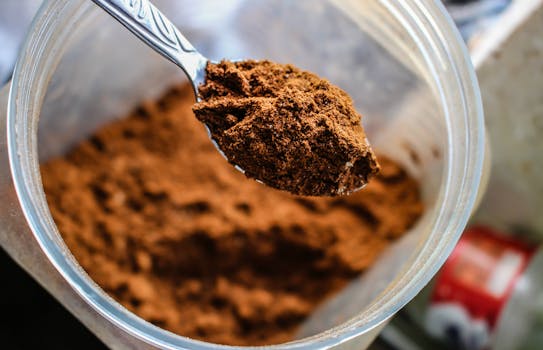
Choosing the best type of protein powder can seem daunting with the variety available on the market today. Whether you’re trying to build muscle, lose weight, or simply maintain your current health, protein powders can be a valuable addition to your diet. In this article, we’ll explore whey, casein, plant-based, and blended protein powders to help you make an informed decision.
The Best Type of Protein Powder: An Overview
The world of protein supplements offers numerous choices tailored to different dietary preferences and fitness goals. Understanding the differences between whey, casein, plant, and blend powders is crucial to picking what suits your needs best. Each type comes with its unique set of benefits that cater to specific nutritional requirements.
Whey Protein: Fast Absorption and Muscle Growth
Whey protein is one of the most popular protein supplements available. Derived from dairy, whey is known for its quick absorption rate, which makes it ideal for post-workout recovery. Its high leucine content aids in muscle repair and growth. However, individuals with lactose intolerance may experience digestive issues with whey protein.
If you’re looking to use a high-quality supplement to support muscle recovery, whey might be your go-to option. Be sure to consult your healthcare provider to ensure it’s a good fit for your dietary needs.
Casein Protein: Slow-Release for Sustained Support
Casein, another dairy-derived protein, is noted for its slow digestion rate. This slow absorption means that casein provides a sustained release of amino acids, making it an excellent choice for prolonged periods without food, such as overnight recovery.
For those who seek steady support throughout the day or night, casein might be the best type of protein powder. It is an excellent option for bedtime nutrition to prevent muscle breakdown while you sleep.
Plant-Based Proteins: Vegan and Allergy-Friendly Options
For those who prefer non-dairy sources or have allergies, plant-based protein powders can be an effective alternative. Usually made from peas, rice, soy, or hemp, these proteins are eco-friendly and suitable for vegan diets. Although they sometimes contain less protein per serving compared to whey, they’re increasingly recognized for their ability to support muscle growth and recovery when combined appropriately.
Choosing the best kind of protein powder in this category may involve trial and error to find the mix that offers complete amino acids and suits your taste preferences.
Blended Protein Powders: The Best of All Worlds
Blended protein powders combine different types of proteins to offer a more balanced nutritional profile. By mixing whey, casein, and plant proteins, these blends provide both fast and gradual amino acid release, catering to varied nutritional needs. This versatility often makes blended powders suitable for a wide range of fitness goals.
These blends might represent the best type of protein supplement for individuals with versatile nutritional requirements who aim to benefit from the advantages of multiple protein types.
Which Protein Powder Is Best for You?
Deciding which protein supplement to choose ultimately depends on your dietary restrictions, fitness goals, and personal preferences. Consider factors such as digestive tolerance, lifestyle, and specific nutritional needs.
If you’re managing a condition like type 2 diabetes, exploring additional dietary strategies might be necessary. Learn more about innovative nutritional approaches by reading about how the NHS Soup and Shake Diet could play a role in reversing type 2 diabetes.
Also, remember there’s no one-size-fits-all answer when determining the best type of protein powder for you. Experiment with different types and brands, and pay attention to how your body responds.
Further Considerations
When selecting protein powders, it is important to look for products that are free from additives and fillers, contain high-quality protein sources, and align with your dietary preferences. The market offers organic, gluten-free, and even non-GMO options tailored to your health needs.
Always be sure to evaluate your overall nutritional intake and don’t rely solely on supplementation. Focus on a balanced diet that includes adequate whole foods, and consult a healthcare or nutrition professional to develop a comprehensive approach to your meal planning.
For more extensive information about protein supplements and dietary considerations, you can also explore this comprehensive article on protein supplements.
Final Thoughts
The best type of protein powder for you may depend on several factors, including dietary preferences, fitness goals, and allergies. By understanding the nuances of whey, casein, plant-based, and blended powders, you can make an informed choice that supports your individual health and wellness goals.
- Consider your dietary preferences and nutritional needs when choosing a protein powder.
- Mix and match protein types for added benefits and versatility.
- Focus on a balanced diet and use protein supplements to complement whole foods.
- Consult with healthcare professionals for personalized advice.
- Evaluate the quality and ingredients of protein powders carefully.
FAQ
How much protein powder should I take daily?
The recommended protein intake varies based on individual factors like age, gender, activity level, and health goals. Generally, it’s advised to consume between 0.8 to 1.5 grams of protein per kilogram of body weight. Consult a nutritionist for a more personalized recommendation.
Can protein powder replace meals?
While protein powders are a convenient source of protein, they should not replace balanced meals. They can be a supplement to a complete diet, particularly for those needing extra protein, like athletes.
Is whey protein suitable for vegans?
Whey protein is not suitable for vegans as it is derived from dairy. Vegans can opt for plant-based protein powders, which offer a suitable alternative.
Are there any side effects of consuming protein powder?
Excessive protein intake may lead to digestive issues, kidney strain, or dehydration. It’s important to consume protein powders within recommended limits and consult with healthcare professionals, especially if you have existing health conditions.
Can protein powders be used for weight loss?
Protein powders can support weight loss when used as part of a calorie-controlled diet. They can help retain muscle mass during calorie deficits, but should be integrated with a balanced diet and exercise plan for effective results.