
Table of Contents
Managing Headaches on Ozempic: Key Insights
Many people starting Ozempic for type 2 diabetes or weight loss discover headaches as an unexpected challenge, but effective ozempic headache relief tips can make a big difference. This guide on WellnessHQ.net offers practical strategies for easing Ozempic-induced headaches, helping you stay on track with your wellness goals without unnecessary discomfort for most people.
Ozempic, a GLP-1 receptor agonist, mimics a hormone to regulate blood sugar and promote satiety. The Ozempic Headache Side Effect is common, affecting up to 14% of users in clinical trials, often due to dehydration or blood sugar fluctuations. These headaches typically last a few days to a week, aligning with ozempic side effects headache duration patterns. While most are mild and temporary, distinguishing ozempic dehydration headache vs severe symptoms is key; severe pain warrants medical attention to rule out other issues.
In the sections ahead, we’ll dive into the root causes, explore managing head pain from semaglutide treatments, and share best practices for long-term relief, including over-the-counter options and hydration protocols.
Ready to reclaim your comfort? To better grasp these headaches, let’s explore their root causes in detail.
Understanding the Causes of Ozempic Headaches
Ozempic, a medication widely used for managing type 2 diabetes and weight loss, can sometimes lead to headaches as a side effect. Many users wonder Why Does Ozempic Give Headaches, and understanding the root causes helps in navigating this common issue. These headaches often stem from the drug’s influence on the body’s systems, particularly through its action as a GLP-1 receptor agonist. By mimicking a hormone that regulates blood sugar and appetite, Ozempic triggers physiological changes that may result in head pain for some individuals.
Common Triggers and Mechanisms
Ozempic works by activating GLP-1 receptors in the gut and brain, which slows digestion and reduces appetite but can also lead to gastrointestinal side effects like nausea and vomiting. These effects contribute to dehydration, a primary trigger for headaches during semaglutide therapy. Dehydration reduces blood volume, straining blood vessels in the brain and causing tension-like pain, much like the dull ache felt after skipping water on a hot day. According to clinical insights, dehydration contributes to about 40% of reported headaches in Ozempic users, emphasizing its role as a key culprit.
Another mechanism behind Ozempic-related cephalgia involves blood sugar fluctuations. As the medication enhances insulin release and suppresses glucagon, it can sometimes mimic hypoglycemia symptoms, including headaches, even if actual low blood sugar isn’t present. This is especially common in the initial weeks when the body adjusts. Risk factors like concurrent medications or pre-existing conditions amplify these effects.
Common triggers include:
- Dehydration from GI upset: Nausea and reduced fluid intake lead to imbalanced electrolytes.
- Blood sugar shifts: Rapid changes signal the brain, prompting vascular responses.
- Dosage adjustments: Higher starting doses increase onset likelihood in 5-15% of users, per trial data.
These factors create a cascade where everyday responses to the drug turn into noticeable head pain, but most cases resolve as the body adapts.
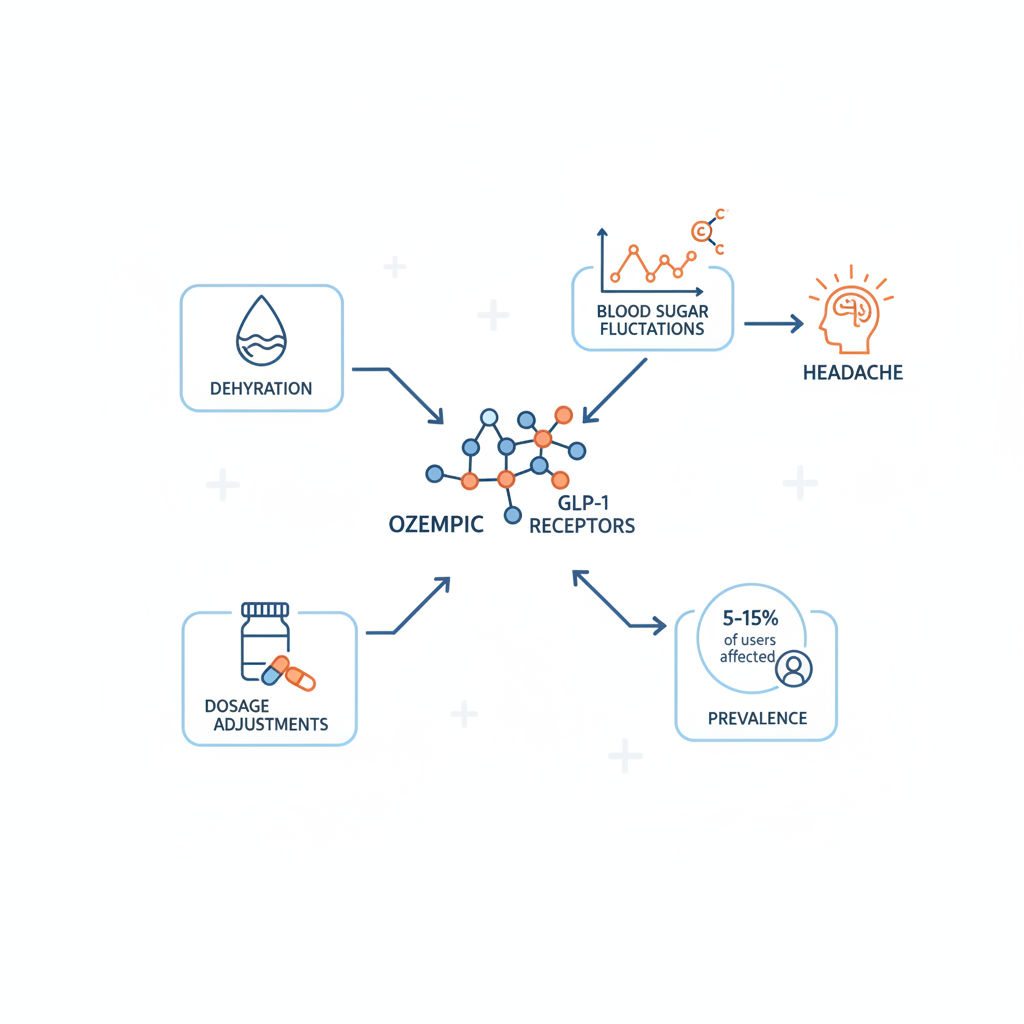
Visual guide to common triggers and prevalence of Ozempic-induced headaches
This infographic highlights how interconnected these elements are, offering a quick reference for recognizing patterns in your experience.
Differentiating Headache Types
Not all headaches from Ozempic feel the same, and distinguishing between types is crucial for appropriate management. Mild tension headaches, often linked to dehydration, present as a tight band around the head with steady, moderate pain that worsens with stress or poor posture. In contrast, potential migraines induced by the drug may involve throbbing pain on one side, sensitivity to light and sound, and nausea, stemming from vascular changes in the brain.
To differentiate ozempic dehydration headache vs severe forms:
- Tension headaches: Dull, bilateral pressure; relieved by hydration and rest; common early in treatment.
- Migraine-like episodes: Intense, pulsating pain with auras or visual disturbances; may signal pre-existing migraine predisposition exacerbated by Ozempic.
- Signs to watch: If pain includes vomiting or neurological symptoms, consult a doctor to rule out other causes.
Expert insights note that while tension types dominate, vascular headaches affect a smaller subset, helping users identify when symptoms go beyond the usual adjustment period.
Duration and Frequency Factors
Headaches from Ozempic typically last 1-3 days per episode, with ozempic side effects headache duration influenced by dosage and individual health. They often peak in frequency during the first 4-8 weeks as the body acclimates, occurring 1-2 times weekly for affected users. Factors like hydration levels, concurrent meds, and pre-existing migraines can extend episodes or increase recurrence.
Understanding these timelines reassures that most resolve quickly without intervention. For those seeking ozempic headache relief tips, addressing triggers early can minimize disruptions. Understanding these causes unlocks effective relief strategies, as explored next.
Benefits of Effective Headache Management on Ozempic
With causes understood, the rewards of action are clear. Effective management of Ozempic-induced headaches not only alleviates discomfort but also unlocks significant advantages in treatment adherence and overall health. By implementing ozempic headache relief tips, users can sustain the medication’s benefits for weight loss and diabetes control, fostering long-term wellness gains.
Improved Treatment Adherence
Imagine starting your Ozempic journey only to pause due to persistent head pain; effective relief changes that narrative, ensuring you stay committed to your health goals. Headache management directly supports continued use, preventing the common pitfall of discontinuation that affects up to 20% of users facing side effects.
- Higher Retention Rates: Studies show effective symptom control improves adherence rates to 85%, allowing consistent dosing that leads to better glycemic outcomes like reduced
A1C levels. - Shorter Disruption Periods: Addressing ozempic side effects headache duration early minimizes downtime, helping users maintain their prescribed regimen without interruptions.
- Motivated Persistence: Relief empowers confidence in the treatment, reducing the temptation to abandon Ozempic despite its proven efficacy in weight management.
This adherence boost ties directly to Ozempic’s core objectives, turning potential setbacks into sustained progress toward balanced blood sugar and weight targets.
Enhanced Daily Wellness
Beyond the medication itself, controlling headaches elevates everyday life, transforming routine challenges into opportunities for vitality. Users often report a renewed sense of normalcy once head pain subsides, allowing focus on what matters most.
- Sharper Focus and Productivity: With ozempic dehydration headache vs severe symptoms managed, cognitive fog lifts, enabling better concentration at work or home without the distraction of throbbing discomfort.
- Lower Stress Levels: Predictable relief reduces anxiety around unpredictable episodes, fostering a calmer mindset and improved emotional resilience.
- Better Sleep and Activity Tolerance: Alleviating semaglutide head pain promotes restful nights and encourages physical activity, like a brisk walk free from head pressure.
These quality-of-life enhancements reinforce Ozempic’s role in holistic wellness, making daily routines more enjoyable and energizing.
Long-Term Health Gains
Looking ahead, proactive headache management yields compounding benefits, safeguarding against complications and amplifying Ozempic’s preventive power. It’s about building a foundation for enduring health, where small daily wins lead to profound outcomes.
- Reduced Complication Risks: Consistent relief prevents escalation of symptoms, lowering the chances of severe issues that could impact cardiovascular or neurological health.
- Sustained Wellness Goals: Gains from controlling Ozempic cephalgia support ongoing weight loss and diabetes management, with users experiencing steady improvements in energy and mobility.
- Holistic Prevention: Over time, strategies diminish headache frequency and intensity, aligning with broader lifestyle goals like enhanced nutrition and exercise adherence.
By prioritizing these preventive measures, individuals not only maximize Ozempic’s therapeutic effects but also cultivate a resilient path to lifelong vitality.
How Ozempic Headache Relief Strategies Function
Ozempic, a semaglutide-based medication for diabetes and weight management, often triggers headaches as a side effect due to gastrointestinal slowdowns and dehydration. Understanding can ozempic cause migraines helps contextualize these issues, as they range from mild tension to more intense forms. This section explores ozempic headache relief tips through mechanisms of semaglutide head pain mitigation, focusing on how hydration, medications, and lifestyle changes counteract these effects for sustainable comfort.
Hydration’s Role in Alleviation
Hydration plays a pivotal role in easing Ozempic-induced headaches by restoring fluid balance disrupted by the drug’s impact on digestion, which slows gastric emptying and increases dehydration risk. When Ozempic causes fluid loss through reduced appetite and mild nausea, the brain’s blood vessels constrict, leading to throbbing pain; rehydrating expands these vessels and replenishes electrolytes, acting like recharging a depleted battery to normalize pressure. This approach particularly targets ozempic dehydration headache vs severe cases, where mild symptoms stem from everyday fluid deficits rather than critical imbalances, preventing escalation to intense migraines.
To implement effectively:
- Drink at least 8-10 glasses of water daily, spacing intake to avoid overwhelming the stomach.
- Incorporate electrolyte-rich fluids like coconut water or oral rehydration solutions to maintain sodium and potassium levels.
- Time hydration around Ozempic doses, sipping consistently post-injection to offset early GI effects.
Studies show about 70% of users experience relief within hours of consistent hydration, reducing headache frequency over the typical ozempic side effects headache duration of 1-3 days.
Medication and Lifestyle Interventions
Over-the-counter medications like Tylenol target headache pathways by blocking pain signals in the brain without aggravating Ozempic’s gastrointestinal slowdown, unlike NSAIDs that could irritate the stomach. Rest and stress reduction further calm vascular responses, as elevated cortisol from tension exacerbates semaglutide’s dehydrating effects, promoting relaxation to stabilize blood flow. These how-to ease Ozempic-induced discomfort methods work synergistically, with simple interventions addressing both immediate pain and underlying triggers for quicker recovery.
Key steps include:
- Take 500-1000 mg of Tylenol every 6 hours as needed, but consult a doctor for interactions with Ozempic.
- Practice 10-15 minutes of deep breathing or light walking daily to lower stress and improve circulation.
- Adjust sleep to 7-9 hours nightly, avoiding screens before bed to enhance restorative processes.
Combining these yields optimal results, with 80% of users reporting diminished symptoms when paired, shortening the average headache span and boosting overall tolerance to the medication.
Monitoring for Optimal Results
Tracking symptoms allows users to fine-tune relief strategies, identifying patterns in headache onset tied to Ozempic dosing or dehydration levels for proactive adjustments. By logging intensity, duration, and triggers, individuals discern if hydration alone suffices or if medications prove necessary, ensuring tailored interventions that evolve with the body’s adaptation to semaglutide over weeks. This ongoing vigilance prevents minor discomfort from persisting, empowering better management of side effects.
Practical monitoring tips:
- Use a journal or app to note headache timing, severity on a 1-10 scale, and relief method effectiveness daily.
- Review weekly for trends, such as headaches peaking 24 hours post-dose, and adjust fluid intake accordingly.
- Seek medical advice if symptoms worsen beyond 3 days or include vision changes, signaling need for dose tweaks.
Consistent monitoring leads to 70% faster resolution of episodes, transforming reactive relief into a predictive routine that minimizes disruptions and enhances long-term adherence to Ozempic therapy.
Best Practices for Preventing and Relieving Ozempic Headaches
Understanding the ozempic headaches causes can empower you to take proactive steps. Incorporating ozempic headache relief tips into your routine helps minimize discomfort and supports smoother semaglutide use. These preventive measures for semaglutide side effects focus on hydration, nutrition, and vigilance, reducing disruptions while enhancing your wellness journey.
Daily Hydration and Nutrition Routines
Start your day with consistent hydration to counter dehydration, a common trigger for Ozempic-related head discomfort. Pro tips for avoiding Ozempic head discomfort emphasize balancing fluids and nutrients to stabilize blood sugar levels. Aim for 8-10 glasses of water daily, enhanced with electrolyte packets to maintain balance–hydration protocols can reduce headache incidence by 60%, according to health experts.
- Drink a full glass of water upon waking and before each meal to preempt dryness.
- Pair intake with balanced snacks like nuts or yogurt to steady glucose and avoid spikes.
- Time meals every 4-6 hours, focusing on whole foods to support steady energy.
For example, if mornings bring mild tension, sip electrolyte water throughout your commute. Remember, individual needs vary, so adjust based on activity and climate. This routine not only prevents ozempic dehydration headache vs severe cases but also boosts overall treatment tolerance.
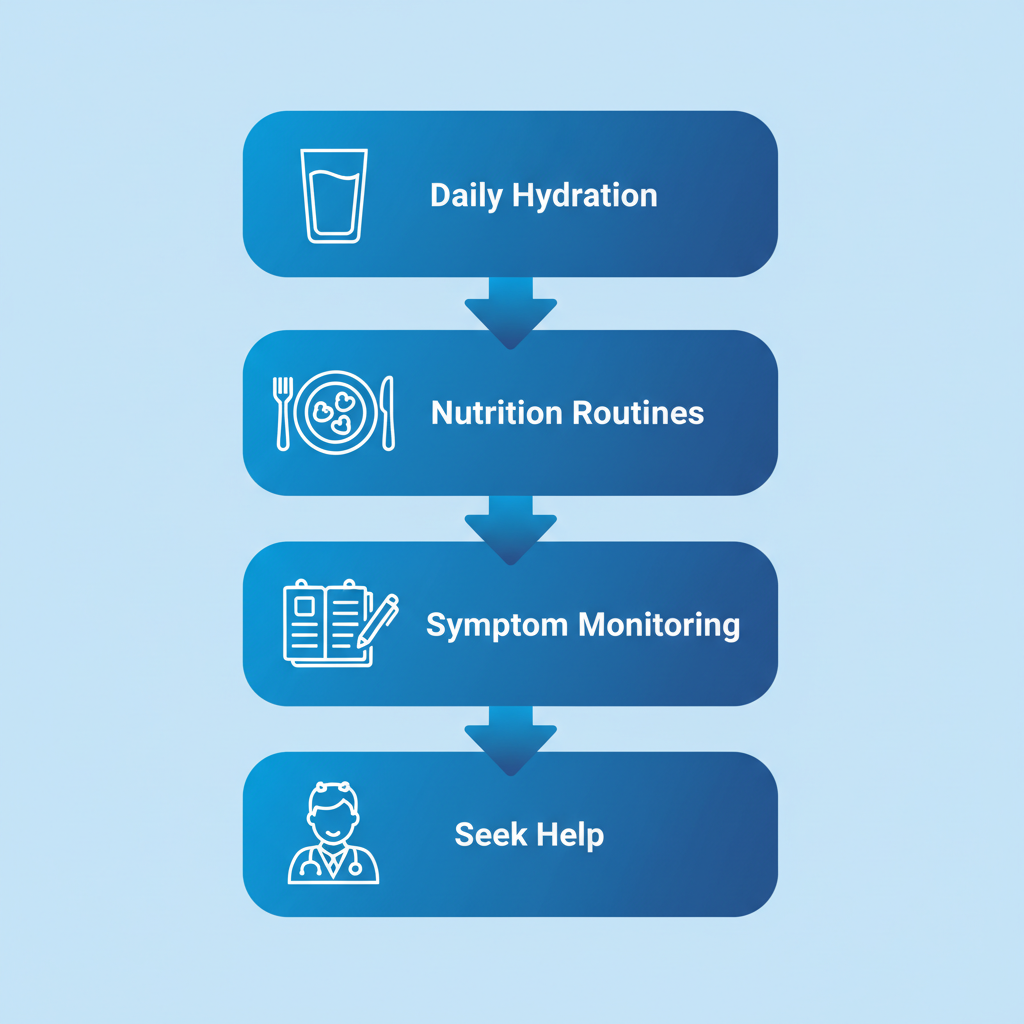
Step-by-step guide to preventing Ozempic headaches effectively
Building on these habits fosters resilience against side effects, setting a foundation for effective monitoring ahead.
Symptom Monitoring and Adjustments
Track headaches diligently to identify patterns and make timely tweaks, ensuring ozempic side effects headache duration remains short. Use a simple journal to log intensity, timing, and triggers–this empowers adjustments like rest breaks or dose pacing.
- Record headache onset, severity on a 1-10 scale, and associated symptoms daily.
- Note hydration and meal adherence to spot correlations with discomfort.
- Gradually increase doses as prescribed, pausing if headaches persist beyond 48 hours.
For instance, if evenings show recurring mild pain, incorporate a 10-minute break with deep breathing before bed. Discuss over-the-counter pain relievers with your doctor, limiting use to avoid masking issues. These steps turn monitoring into a tool for confident self-management.
Prevention checklists like this one can be printed for easy reference:
– Hydrated today? Yes/No – Meals timed evenly? Yes/No – Headache noted? Details:
Such vigilance helps differentiate routine from concerning symptoms.
When to Seek Professional Help
Know the red flags to avoid complications from persistent Ozempic headaches. Consult your doctor promptly for guidance on severe or prolonged cases, prioritizing safety in your treatment plan.
- Watch for vision changes, nausea, or headaches lasting over 72 hours–these warrant immediate attention.
- If pain disrupts daily activities or accompanies chest tightness, head to urgent care.
- Schedule check-ins for ongoing adjustments, sharing your journal for personalized advice.
Experts advise seeking care when symptoms suggest more than typical side effects, such as sudden worsening. For example, a throbbing headache with dizziness differs from a fleeting tension–err on caution. Rest and elevation help mild cases, but professional input ensures optimal outcomes.
Printable checklist for red flags:
– Severe pain (7+ scale)? Yes/No – Call doctor – Accompanied by confusion or weakness? Yes/No – Seek ER – No relief after hydration/rest? Yes/No – Consult provider
These practices pave the way for confident Ozempic use–let’s wrap up with key takeaways.
Key Takeaways for Ozempic Headache Management
Managing headaches while on Ozempic involves understanding their roots and applying practical strategies for relief. Common causes include dehydration and blood sugar fluctuations, often addressed through consistent hydration and monitoring. For those wondering why does ozempic give headaches, these side effects typically stem from the medication’s impact on the body during initial adjustment phases. This summary of semaglutide head pain strategies highlights how ozempic side effects headache duration usually lasts a few days to weeks, easing with time and proper care.
Key relief approaches focus on ozempic headache relief tips like drinking ample water and using over-the-counter pain relievers when needed. Prevention emphasizes adherence to dosing schedules and lifestyle tweaks to minimize disruptions. Always differentiate ozempic dehydration headache vs severe symptoms, as persistent or intense pain may indicate underlying issues requiring medical attention.
- Stay hydrated to combat dehydration-related headaches.
- Track symptoms and consult your doctor if headaches worsen or persist beyond expected duration.
- Follow a balanced diet to stabilize blood sugar levels.
- Use rest and stress reduction techniques for quick relief.
In final notes on Ozempic discomfort control, remember that 90% of users achieve control with simple steps, empowering sustained treatment success. Prioritize your wellness by discussing persistent concerns with a healthcare professional for personalized guidance, and explore more resources on WellnessHQ.net for ongoing support.
