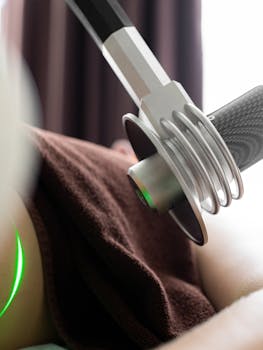
Undergoing a tummy tuck, also known as abdominoplasty, can be a significant step toward achieving your aesthetic goals. However, tummy tuck pain post-surgery is a common experience among many patients. Understanding how to cope with this discomfort is essential for a comfortable recovery. This guide provides insights into managing pain effectively while promoting healing and well-being.
Understanding Tummy Tuck Pain
Tummy tuck pain is primarily due to the nature of the surgery, which involves tightening abdominal muscles and removing excess skin. Post-surgical soreness and discomfort can vary in intensity, depending on individual pain thresholds and the extent of the procedure.
Tummy tuck procedures involve various techniques, each with its recovery profile. Patients may experience pain ranging from mild to severe, especially around the incision site and the tightened muscles. It is crucial to follow your surgeon’s post-operative care instructions meticulously to manage pain effectively.
Effective Pain Management Strategies
Managing tummy tuck pain involves a combination of medical guidance and personal care practices. Here are some strategies to help you navigate the recovery period smoothly:
Follow Prescribed Medications
Your surgeon will likely prescribe pain medications to help alleviate tummy tuck pain during the initial recovery days. It is important to take these medications as directed to maintain comfort. Always discuss any concerns or side effects with your healthcare provider.
Use Compression Garments
Compression garments are designed to provide support and reduce swelling after your tummy tuck. Wearing these garments as advised can help manage discomfort and promote healing by supporting the abdominal area.
Practice Gentle Movement
While rest is essential, incorporating gentle movements can help prevent stiffness and promote circulation. Walking short distances as directed by your healthcare provider can aid in your recovery without exacerbating pain.
Stay Hydrated and Nourished
Proper hydration and nutrition support overall healing and energy levels. Ensure you have a balanced diet rich in vitamins and minerals to aid recovery while drinking plenty of water to stay hydrated.
Relax and Rest Adequately
Quality rest is a crucial component of healing. Try to create a restful environment, focusing on comfortable positions that minimize stretching of your abdominal area. Adequate sleep and rest can significantly reduce the perception of pain.
Additional Tips for a Comfortable Recovery
Aside from managing tummy tuck pain, consider the following additional measures to support your recovery journey:
Apply Cold Compresses
Cold compresses may provide relief by reducing swelling and numbing the area temporarily. Use them as advised, making sure to avoid direct contact with the skin to prevent ice burn.
Avoid Smoking and Alcohol
Smoking and alcohol consumption can impede the healing process. Avoid these substances to promote recovery and enhance the effectiveness of pain management methods.
Engage in Breathing Exercises
Deep breathing exercises can help manage stress and improve circulation. Practicing these exercises regularly can contribute to pain relief and relaxation.
Learn more about factors that may influence the overall cost and recovery associated with a tummy tuck, which can also impact your approach to pain management.
Seek Support
Talking to others who have undergone similar procedures can provide emotional support and practical advice. Engage with support groups or online communities to share experiences and gather tips.
Post-Surgery Care: What to Expect
Understanding the recovery timeline can help you set realistic expectations for handling tummy tuck pain. Initial soreness may last a few weeks, with gradual improvement as healing progresses.
Your surgeon will provide detailed instructions regarding activity levels and follow-up visits, which are crucial for monitoring your recovery. Reporting persistent or worsening pain is important for timely interventions.
For more detailed information on recovery expectations, you can refer to resources such as general health guidelines.
Conclusion
While tummy tuck pain is an inevitable part of the recovery process, various strategies can ease discomfort and promote healing. Staying informed and adhering to post-operative care instructions will help you navigate the recovery journey successfully. Always consult with your healthcare provider for tailored advice and support throughout your recovery phase.
Overall, tummy tuck pain can be managed effectively with the right strategies and mindset. Ensure you prioritize self-care, seek support, and stay informed to facilitate a smoother recovery experience.
- Follow prescribed pain management plans for effective relief.
- Use compression garments and cold compresses to reduce swelling.
- Practice gentle movements and proper rest for a balanced recovery.
- Stay hydrated and maintain a nutritious diet to support healing.
- Consult with healthcare professionals for personalized advice.
FAQs
How long does the pain last after a tummy tuck?
The intensity and duration of pain can vary, but most patients experience significant improvement within a few weeks as healing progresses.
Can I take over-the-counter pain medication?
Always consult your healthcare provider before taking any medications to ensure they are safe and appropriate for your specific situation.
Is it normal to experience swelling after a tummy tuck?
Yes, swelling is a normal part of the healing process and can last several weeks. Following post-operative care instructions can help manage this symptom.
When can I resume normal activities?
Your surgeon will provide guidance tailored to your recovery, but many patients can resume light activities within a few weeks. Strenuous activities should be avoided until approved by your provider.
What should I do if the pain becomes unbearable?
If you experience severe or worsening pain, contact your healthcare provider immediately for assessment and advice to ensure proper management and healing.