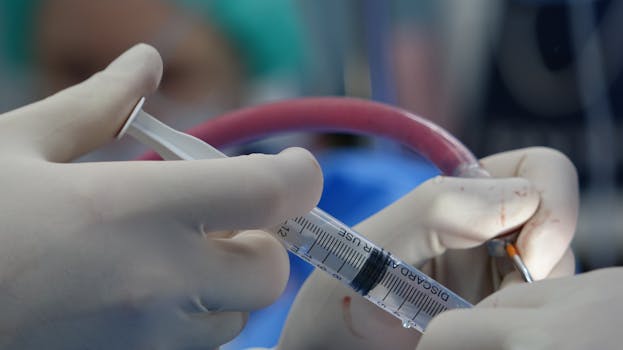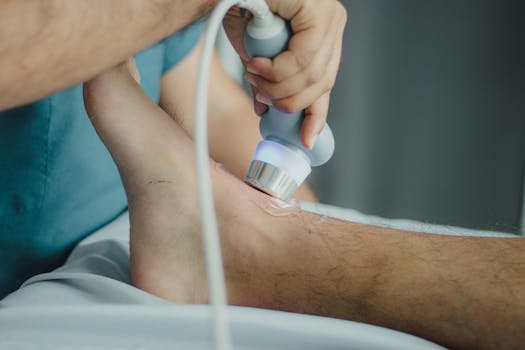
Plasma Rico En Plaquetas (PRP), commonly known as Platelet-Rich Plasma, has emerged as a popular therapeutic option in various medical fields. Individuals seeking information on plasma rico en plaquetas beneficios y desventajas are often interested in understanding both the potential advantages and the limitations of this treatment. PRP involves extracting a small sample of the patient’s blood, processing it to concentrate the platelets, and then re-injecting it into the injured area to promote healing. This article delves into how PRP works, its benefits, possible drawbacks, and considerations one should keep in mind when contemplating PRP therapy.
Understanding Plasma Rico en Plaquetas Beneficios y Desventajas
PRP therapy operates on the principle of leveraging the body’s natural healing capabilities. Platelets are a component of blood that play a vital role in clotting and tissue repair. By concentrating these platelets, PRP aims to enhance the regenerative process. Let’s explore both the benefits and drawbacks of this intriguing therapy.
Potential Benefits of PRP Therapy
The most widely recognized benefit of PRP is its potential to accelerate healing, especially in musculoskeletal injuries. Here are some of the primary advantages that have been observed:
- Enhanced Healing: PRP is often used to promote healing in conditions such as tendonitis, ligament sprains, and chronic injuries where healing may be slow.
- Potential Reduction in Inflammation: In some instances, PRP therapy has been linked to a reduction in inflammatory symptoms associated with conditions like osteoarthritis.
- Cosmetic Improvements: In dermatology, PRP is frequently used to promote skin health and improve the appearance of scars and wrinkles.
- Natural and Minimally Invasive: Because PRP uses the patient’s own blood, it is generally considered a safe and minimally invasive procedure.
Drawbacks and Considerations
While PRP therapy offers several advantages, it is not without its potential drawbacks.
- Varied Effectiveness: The efficacy of PRP therapy can vary significantly between individuals, and it may not work for everyone.
- Limited Scientific Consensus: Although promising, more rigorous clinical studies are needed to fully understand and verify all the claimed benefits of PRP.
- Cost and Accessibility: PRP treatments can be expensive, and insurance coverage might not be available as it is often considered experimental.
- Possible Side Effects: While usually minor, some patients report side effects such as soreness, swelling, or bruising at the injection site.
For those considering PRP, consulting with a healthcare professional is essential to determine its suitability and potential efficacy based on personal health needs and conditions.
Comparative Insights and Recent Developments
Interest in PRP has spurred numerous studies to better define its role in medicine. It is increasingly being compared with other emerging therapies. For instance, compared to treatments such as NAD nasal spray, which you can learn more about here, PRP holds a unique position in its application process and targeted outcomes.
Final Thoughts on Plasma Rico en Plaquetas Beneficios y Desventajas
Ultimately, the choice to pursue PRP therapy should be informed by a thorough understanding of plasma rico en plaquetas beneficios y desventajas. While promising in many respects, it is crucial to weigh both its advantages and limitations carefully.
- Plasma Rico en Plaquetas (PRP) may enhance the body’s natural healing processes due to concentrated platelets.
- Its benefits include potential accelerated healing and reduced inflammation, particularly in musculoskeletal injuries.
- PRP therapy’s effectiveness varies, and more research is needed to establish its credibility fully.
- Consider the cost, side effects, and limited insurance coverage as potential drawbacks.
- Consulting with a healthcare provider is crucial to determine individual suitability for PRP therapy.
FAQ
What conditions might benefit from PRP therapy?
PRP therapy is often used for musculoskeletal injuries, chronic pain conditions, and cosmetic improvements, including skin rejuvenation and hair loss treatment.
Is PRP therapy considered safe?
Generally, PRP therapy is considered safe because it uses the patient’s own blood, minimizing the risk of immune reactions. However, it must be performed by a qualified healthcare provider.
How many PRP treatments are typically necessary?
The number of treatments varies depending on the condition and individual response. Usually, a series of treatments is recommended for optimal results.
Does PRP therapy have any risks or side effects?
While PRP is generally safe, some patients may experience minor side effects such as pain at the injection site, swelling, or bruising.
Where can I find more reliable information on PRP therapy?
For more detailed information, you can refer to reliable sources like the Wikipedia page on Platelet-rich plasma.