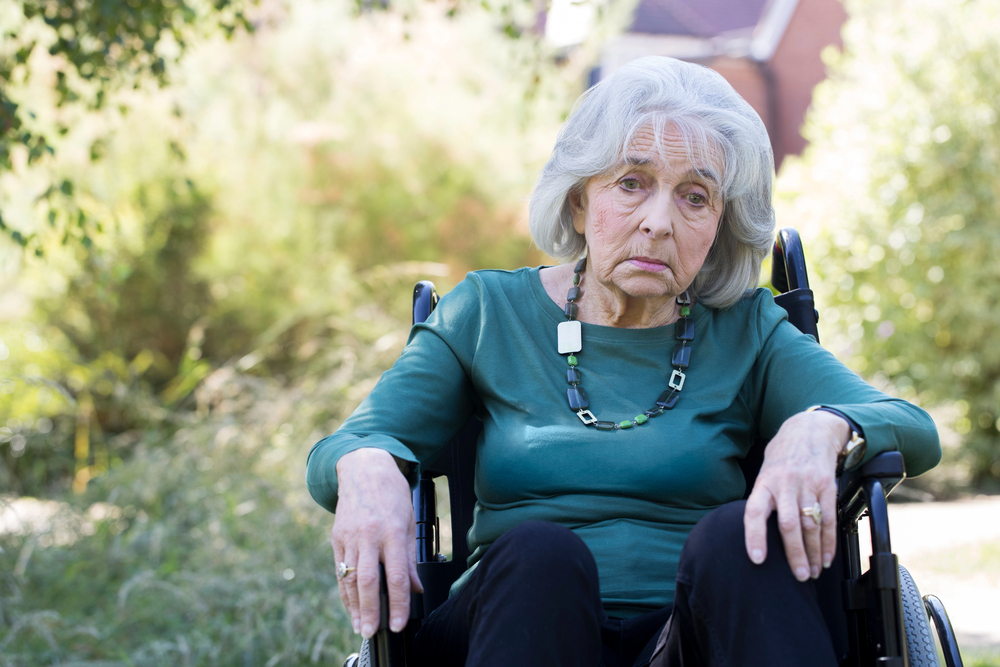
When a loved one enters a nursing home, families expect them to receive safe, compassionate care. Most people assume that basic needs—food, medication, hygiene, supervision—will be met. Unfortunately, that is not always the case.
Nursing home neglect often begins quietly. A missed medication. A bruise no one can explain. A sudden decline in mood or appetite. These signs may seem small at first, but they can quickly grow into a serious health crisis if ignored.
Understanding the warning signs of neglect can help families act early and protect the people they love.
Why Nursing Home Neglect Is a Health Issue
Nursing home neglect is not just a legal issue—it is a major health concern.
Older adults are often more vulnerable to:
- Dehydration
- Infections
- Falls
- Bedsores
- Malnutrition
When residents do not receive proper care, these issues can escalate quickly and lead to hospitalization, long-term complications, or even death.
Because many seniors already have underlying medical conditions, even a small lapse in care can have serious consequences.
Common Signs of Nursing Home Neglect
Families should pay close attention to any changes in a loved one’s health, appearance, or behavior.
Warning signs may include:
- Sudden weight loss
- Dehydration or dry skin
- Bedsores or pressure ulcers
- Unexplained bruises or injuries
- Dirty clothing or poor hygiene
- Increased confusion or withdrawal
These symptoms are often signs that a resident is not receiving the attention and support they need.
Bedsores and Pressure Ulcers
Bedsores are one of the clearest indicators of neglect. They develop when a person is left in the same position for too long without being moved.
Bedsores often appear:
- On the lower back
- Hips
- Heels
- Elbows
If untreated, they can become infected and lead to serious complications.
A nursing home should have procedures in place to:
- Reposition residents regularly
- Monitor skin condition
- Provide prompt treatment
When that does not happen, residents can suffer needlessly.
Dehydration and Malnutrition
Older adults may not always recognize when they are thirsty or hungry, which means nursing home staff must make sure residents receive enough food and water.
Signs of dehydration and malnutrition include:
- Dry mouth
- Fatigue
- Dizziness
- Rapid weight loss
- Confusion
These problems can quickly become dangerous and may increase the risk of falls, infections, and hospitalization.
Falls and Injuries
Frequent falls are another sign that a nursing home may not be providing proper supervision.
While some falls happen despite precautions, repeated injuries or unexplained bruises may suggest that:
- Residents are being left alone too often
- Staff are not responding quickly
- The environment is unsafe
Falls can lead to broken bones, head injuries, and a decline in overall health—especially in older adults.
Changes in Mood or Behavior
Neglect affects emotional health as well as physical health.
Many residents who are being neglected become:
- Withdrawn
- Anxious
- Depressed
- Afraid to speak openly
If your loved one suddenly seems fearful, unusually quiet, or reluctant to discuss what is happening, take those changes seriously.
Emotional warning signs are often overlooked, but they can provide important clues about what is happening inside a facility.
What Families Can Do
If you suspect neglect, do not ignore it.
Take steps to:
- Document what you observe
- Take photographs if appropriate
- Keep notes about injuries, symptoms, or conversations
- Ask direct questions and request explanations
The sooner you act, the easier it may be to protect your loved one and prevent further harm.
When to Seek Additional Help
Many families struggle with whether what they are seeing is “serious enough.” They may worry that they are overreacting.
But when a loved one’s health or safety is at risk, it is always better to ask questions.
If you believe neglect may be occurring, speaking with a senior abuse attorney can help you understand your options and determine whether further action is needed.
An experienced attorney can help families:
- Investigate what happened
- Hold facilities accountable
- Protect residents from additional harm
Protecting Your Loved One’s Health and Dignity
No one deserves to suffer because of poor care. Nursing home residents rely on others for their health, comfort, and safety.
Families trust that nursing homes will provide the support their loved ones need. When that trust is broken, the consequences can be devastating.
By recognizing the signs of neglect early and taking action, families can help ensure that their loved ones receive the care, respect, and dignity they deserve.