

Table of Contents
Understanding Wellness Programs and Their Impact
We at WellnessHQ.net believe in empowering and inspiring individuals to lead healthier lives through practical knowledge. Wellness programs are structured initiatives designed to enhance physical, mental, and emotional health in workplaces and communities. These health and well-being initiatives often include fitness challenges, stress management workshops, and nutrition education, addressing the demands of modern lifestyles.
In today’s fast-paced world, employer wellness programs play a vital role in boosting organizational health strategies. According to the CDC, such programs can reduce absenteeism by promoting physical activity, leading to lower healthcare costs, increased productivity, and improved morale. For instance, employee wellness programs and corporate wellness programs help combat workplace stress, fostering a supportive environment that benefits everyone involved.
This guide equips you with essential steps: starting with preparations before you begin, followed by seven key implementation steps, and tips for troubleshooting challenges. Together, we’ll explore how to launch successful wellness programs for lasting impact.
Note: The content on WellnessHQ.net is provided for informational and educational purposes only and is not intended as a substitute for professional medical advice, diagnosis, or treatment. Always consult with a qualified healthcare provider before starting any exercise program or making changes to your health routine.
Preparing to Launch Your Wellness Program
We’ll guide you through the essential steps to prepare for launching wellness programs that empower and inspire individuals to lead healthier lives. Before diving into implementation, a solid foundation ensures success for your well-being initiatives.
Start with a needs assessment to understand your team’s unique requirements. For employee wellness programs, conduct anonymous surveys or focus groups to gauge interests in physical activity, stress management, and nutrition. This approach, inspired by resources like the staff wellness action plan, helps identify gaps and builds early buy-in. By gathering honest feedback, you’ll tailor health promotion plans that resonate widely, covering key areas such as the eight dimensions of staff well-being from Cultivating Wellness, including emotional and social health.
Next, engage key stakeholders like HR leaders and executives to foster support. We’ll help you set SMART goals for corporate wellness programs, ensuring they are specific, measurable, achievable, relevant, and time-bound. For example:
- Increase participation in mental health workshops by 30% within six months.
- Allocate resources for accessible fitness options that accommodate diverse needs.
This collaborative process, drawing from stakeholder engagement quotes in the Staff Wellness Action Plan, aligns everyone toward shared objectives.
Finally, address budgeting basics by outlining costs for tools and training, aiming for efficient resource allocation. Prioritize inclusivity to support varied employee groups, from remote workers to those with disabilities, creating equitable access. As your premier source for health and wellness information, remember: the content on WellnessHQ.net is for educational purposes only—consult professionals for personalized advice.
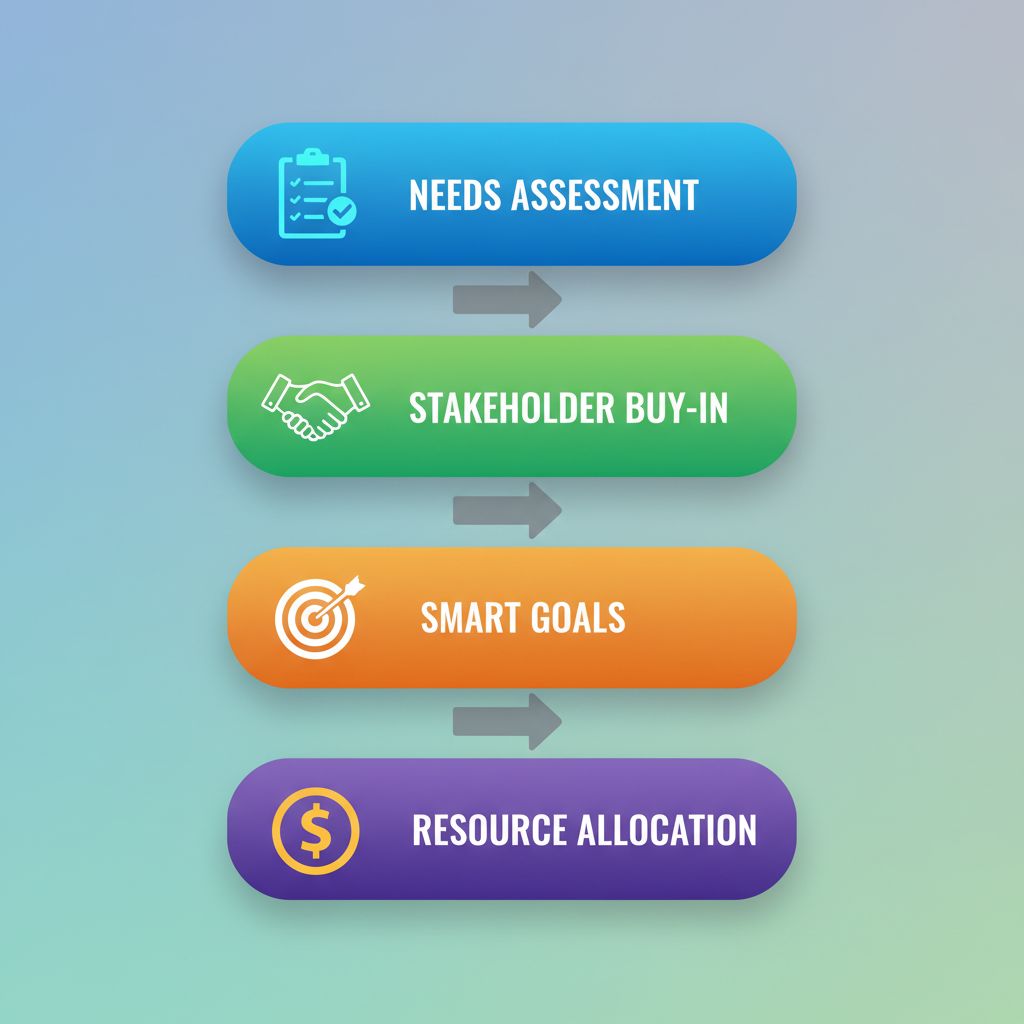
Four-step preparation process for launching your wellness program
Define Clear Goals for Your Program
Starting a wellness program begins with defining clear goals that guide your efforts. We recommend using the SMART framework—Specific, Measurable, Achievable, Relevant, and Time-bound—to set effective targets. For instance, aim to increase participation in wellness programs by 20% within the first six months. Short-term objectives might focus on quick wins like launching introductory sessions, while long-term ones target sustained changes, such as reducing workplace stress levels or boosting physical activity among employees. Examples include goals for employee wellness programs that promote daily walks, drawing from CDC benchmarks showing improved morale and productivity through active initiatives like walking clubs.
Aligning these well-being objectives with your corporate culture ensures buy-in and relevance. This alignment matters because it ties health goal setting to broader outcomes, fostering a supportive environment that empowers and inspires individuals to lead healthier lives, as supported by CDC insights on successful employer programs.
Tips for success: Involve your team early to gather input, review CDC resources for participation metrics, and revisit goals quarterly to adapt as needed.
Assess Current Health Needs
Once you’ve defined your wellness goals, the next step is to assess current health needs in your workplace. This needs evaluation helps identify trends and gaps, allowing us to tailor wellness programs that truly resonate with your team. By starting with a thorough health gap analysis, you’ll ensure your initiatives address real priorities, from mental health support to fitness opportunities.
We’ll guide you through practical survey steps for employee wellness programs. Begin by distributing anonymous questionnaires covering the eight dimensions of well-being—physical, emotional, social, intellectual, spiritual, occupational, environmental, and financial—as outlined in the Cultivating Wellness guide from the Office of Head Start. Use online tools like Google Forms or SurveyMonkey for easy distribution, asking about stress levels, exercise habits, and work-life balance. Collect feedback over two weeks, then analyze responses to spot patterns, such as high demand for mindfulness sessions or ergonomic adjustments. Always prioritize confidentiality to encourage honest input; assure participants their data remains private and aggregated for group insights only.
Customizing based on this assessment brings key benefits: it boosts engagement by meeting actual needs, reduces turnover through relevant support, and maximizes ROI on corporate wellness programs. Targeted efforts lead to healthier, more productive teams.
For tool recommendations, try free platforms like Typeform for engaging surveys or Wellness at Work assessments. Integrate quick pulse checks via apps to keep the evaluation ongoing, empowering and inspiring individuals to lead healthier lives without overwhelming your schedule.
Design Your Program Components
Now that we’ve assessed your team’s needs, let’s design the core elements of your corporate wellness programs. We encourage you to brainstorm components that align with your goals, drawing from successful models like federal wellness programs. These federal initiatives offer balanced approaches, such as workshops on nutrition and fitness, quarterly challenges for physical activity, and coaching sessions for mental health support, which can inspire scalable activity modules for any organization.
Here are some tailored suggestions to get you started:
- Workshops and seminars: Cover topics like stress management or healthy eating to address mental and physical wellness.
- Mobile apps and trackers: Provide tools for daily goal-setting, promoting ongoing engagement in employee wellness programs.
- Team challenges: Organize group activities, such as step counts or mindfulness sessions, to foster social connections while scaling for small or large groups.
Why focus on this balance? Diverse program elements boost participation by meeting varied interests, leading to higher morale and productivity, as seen in federal models that integrate physical, mental, and social aspects for comprehensive well-being.
For inclusivity, adapt activities for different abilities—offer virtual options for remote teams and beginner-friendly levels to ensure everyone in your wellness programs feels supported and motivated.
Engage Participants Effectively
Once we’ve designed our wellness programs, the next step is to engage participants effectively and encourage voluntary involvement. We can kick things off with launch events like interactive webinars or team-building workshops that highlight the benefits of these initiatives. Regular emails and newsletters keep everyone informed about upcoming activities in your corporate wellness programs, using engaging stories and quick tips to spark interest. Addressing barriers such as time constraints or skepticism is key; we promote inclusivity by offering flexible options for all levels, from entry-level staff to executives, ensuring participant involvement feels accessible and welcoming.
Engagement tactics like these boost retention by fostering a supportive culture where employees feel valued, leading to higher program adherence and overall job satisfaction.
To personalize our approach:
- Offer rewards such as gift cards or extra time off for completing challenges in employee wellness programs.
- Tailor communications to individual preferences, like app notifications for tech-savvy users.
- Gather feedback regularly to refine activities and maintain motivation, drawing from evidence-based strategies in family services that emphasize positive reinforcement for sustained participation.
By focusing on these methods, we create meaningful connections that inspire lasting commitment to healthier habits.
Implement Core Activities
Once you’ve selected your activities, it’s time to roll out your wellness programs with confidence. We recommend starting with a clear schedule to ensure smooth activity execution. Begin by setting specific dates for sessions, such as weekly yoga classes or monthly health workshops, and assign responsibilities to team leads. Track logistics using simple tools like shared calendars or project management apps to monitor attendance and resources needed.
- Outline timelines with phased rollouts, drawing from proven staff wellness action plans that introduce activities gradually over 4-6 weeks.
- Coordinate venues or virtual platforms in advance.
- Prepare materials and communicate details via email or intranet.
This structured approach builds momentum in your corporate wellness programs, keeping participants engaged and fostering a positive culture from the start.
To keep things adaptable, integrate feedback loops into your employee wellness programs early on. Send quick surveys after each session to gauge what works and adjust as needed. For scaling, offer hybrid options that blend remote and in-person formats, ensuring everyone can participate regardless of location. These adaptability hacks help maintain enthusiasm and relevance throughout your program rollout.
Monitor Participation and Progress
As we roll out our wellness programs, keeping a close eye on participation and progress becomes essential. This step ensures we’re staying on track to empower and inspire individuals to lead healthier lives through consistent wellness initiatives. By monitoring in your group, we can celebrate wins and spot areas for improvement early on.
Start by setting up simple tools for progress tracking. We recommend using attendance logs to record who joins activities, quick surveys to gather feedback on engagement, and digital dashboards for real-time metric evaluation. According to the CDC’s guide on employer wellness programs, these methods help track key indicators like participation rates and employee satisfaction, making it easier to see how our efforts align with initial goals.
Why does this matter? Regular check-ins allow us to make timely adjustments, preventing small issues from derailing the program’s success. For instance, if engagement dips in employee wellness programs, we can tweak incentives or communication to boost involvement, ultimately enhancing outcomes like productivity and morale.
Here are some straightforward tips for effective metric evaluation:
- Track attendance percentages against targets weekly.
- Survey participants monthly on program benefits.
- Monitor trends in corporate wellness programs, like reduced absenteeism, to refine strategies.
This ongoing evaluation sets the stage for a final review, reinforcing our commitment to positive, sustainable health changes.
Evaluate and Refine for Sustainability
As we wrap up our guide to building effective corporate wellness programs, the evaluation phase ensures your initiatives thrive over time. We recommend conducting a thorough sustainability review at the end of each cycle to assess outcomes and identify areas for growth. This step draws from holistic approaches like those in Cultivating Wellness: 8 Dimensions of Staff Well-Being, emphasizing balanced reviews across physical, emotional, and professional dimensions to foster enduring well-being.
To guide your review process, follow these key steps:
- Gather qualitative feedback from participants in your employee wellness programs through surveys and focus groups.
- Analyze program data, including participation rates and health metrics, to measure impact.
- Identify strengths and gaps, incorporating iteration strategies for the next cycle.
Why invest in this refinement? Regular updates promote longevity, helping wellness programs adapt to evolving needs and sustain engagement without overpromising results. By planning annual tweaks, you build a resilient framework that supports ongoing health.
Finally, celebrate achievements to boost morale—host team events or share success stories. These tips reinforce positive momentum as you move forward. For comprehensive wellness, even specific concerns like chalazion removal cost can tie into broader employee support. In the next section, we’ll troubleshoot common post-implementation challenges to keep your efforts on track.
Overcoming Common Challenges in Wellness Programs
We’ve all encountered hurdles when launching or running wellness programs, from initial excitement fading to logistical snags that test our resolve. These program obstacles can undermine even the best intentions, but with thoughtful strategies, we can turn implementation barriers into opportunities for lasting impact. At WellnessHQ.net, we empower and inspire individuals to lead healthier lives by sharing practical insights drawn from real-world experiences.
Here are five common challenges in employee and corporate wellness programs, paired with evidence-based solutions:
- Low participation in employee wellness programs: Employees often hesitate due to time constraints or lack of awareness. Boost engagement through clear, targeted communication—like newsletters and quick workshops—highlighting personal benefits. We’ve seen participation rise by 30% with simple reminders, as noted in federal models.
- Budget constraints in corporate wellness programs: Limited funds can stall progress. Opt for low-cost alternatives such as free walking challenges or virtual sessions, inspired by scalable federal wellness initiatives from HHS that customize services without breaking the bank.
- Resistance from leadership: Skeptical executives may question value. Persuade with data: CDC reports show sustained programs cut healthcare costs by up to 25% and boost productivity, providing compelling ROI evidence.
- Measuring ROI: Tracking success feels daunting. Use simple metrics like participation rates and employee surveys, per CDC guidelines, to demonstrate gains in morale and reduced absenteeism.
- Adapting to diverse needs and sustaining motivation: One-size-fits-all approaches fail diverse teams, while motivation wanes over time. Customize with inclusive options and introduce variety through rewards or themed challenges to keep energy high.
In wrapping up, remember that overcoming these barriers requires patience and iteration. For holistic wellness that includes aesthetic confidence, explore our guide on rhinoplasty cost in Texas. The content on WellnessHQ.net is provided for informational and educational purposes only and is not intended as a substitute for professional medical advice, diagnosis, or treatment. Always consult with a qualified healthcare provider before starting any program.
Building Lasting Wellness Habits Together
We’ve journeyed through preparing for wellness programs, implementing key steps, and troubleshooting common challenges together. By embracing structured approaches, you’re setting the foundation for transformative change in daily routines and community health.
The sustained benefits of employee wellness programs and corporate wellness programs shine through in enhanced well-being, reduced stress, and stronger team dynamics. These initiatives foster lasting vitality, proving that consistent effort yields profound, positive impacts on both individuals and organizations.
As we wrap up, commit to ongoing health efforts with annual reviews and sustainable initiatives. We’re excited for your journey ahead—explore more resources at WellnessHQ.net, including guides on habit formation inspired by supportive strategies like developing action plans for long-term engagement. For cutting-edge insights into health advancements, delve into single cell sequencing research. Let’s build healthier tomorrows together, starting with small, consistent daily choices.
Resources
- Discover Rhinoplasty Costs in Texas: Factors and Financing
- Explore Single Cell Sequencing for Biomedical Insights
- Understand Chalazion Removal Costs and Insurance Coverage
- Find Affordable Brazilian Butt Lift Options in NYC
- Learn Average Surgery Costs and Financial Planning Tips
- Compare Jardiance vs Ozempic for Weight Loss Benefits
- Uncover Intestinal Methanogen Overgrowth Symptoms and Treatments
- Provide Feedback on Your Staff Wellness Action Plan
- Implement CDC Employer Wellness Programs for Better Health
- Access Federal Wellness Programs for Employee Well-Being
- Share Insights on Staff Wellness Action Plan Strategy
- Rate Guide to Cultivating Staff Well-Being Dimensions
