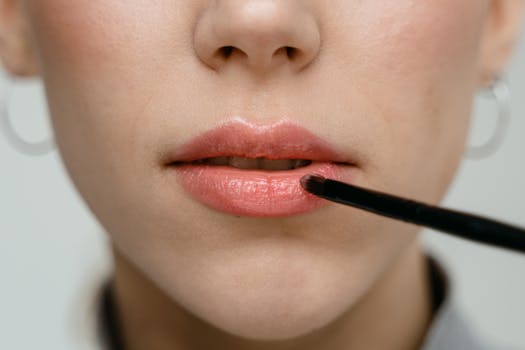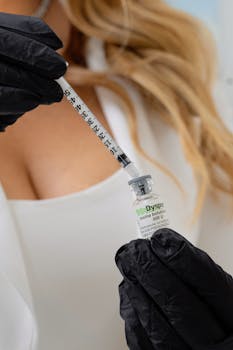
Botox frown lines treatments have become increasingly popular among individuals looking to reduce the appearance of wrinkles and achieve a smoother facial appearance. As a form of cosmetic procedure, Botox is used to temporarily relax facial muscles, particularly those responsible for frown lines, also known as glabellar lines, that develop between the eyebrows. This brief introduction to Botox can help individuals understand what to expect when considering this treatment.
Understanding Botox Frown Lines
Frown lines typically appear as vertical wrinkles between the eyebrows and are most noticeable when making facial expressions such as frowning or squinting. The injections help in temporarily smoothing out these lines by weakening the underlying muscles. While the effectiveness of Botox for frown lines is well-documented, it’s crucial to weigh the benefits against potential side effects and risks.
How Does Botox Work?
Botox is derived from the botulinum toxin and works by blocking nerve signals in the muscles where it is injected. As a result, the targeted muscles are unable to contract, leading to a reduction in unwanted facial lines. The effects of Botox are temporary, lasting typically between three to six months, after which follow-up treatments are necessary to maintain results.
Dosing for Botox Treatment
The dose of Botox required for frown lines varies based on factors such as muscle strength, the severity of wrinkles, and desired outcomes. A healthcare provider will assess these factors to determine an appropriate dosage. It is important to receive treatment from a qualified professional to minimize the risk of overdose of Botox and ensure optimal results.
Results and Expectations
After receiving Botox injections, patients typically start noticing improvements within a few days, with peak results visible around two weeks. While the treatment is highly effective and popular, comparing Botox vs no Botox results can vary based on individual skin types and muscle responses.
Potential Side Effects and Risks
Like any medical treatment, Botox carries some risks and potential side effects. Common Botox frown lines side effects include mild bruising, discomfort at the injection site, and temporary headaches. More serious risks could include Botox muscle spasms side effects or negative impacts if not administered correctly. Although rare, questions around “can botox cause botulism” or “does botox cause botulism” have been raised. Rest assured, the licensed use of Botox is unlikely to cause botulism due to heavily regulated concentrations.
The potential botox danger requires thoughtful consideration, with particular attention to Botox crows feet side effects. Each patient should discuss their medical history and any concerns with their provider. Understanding how long will Botox side effects last, which usually subside within days, is also pivotal for informed decision-making.
Safety and Effectiveness
When administered by a trained professional, Botox is generally regarded as safe. The FDA has approved Botox for various uses, which includes Botox treatment for wrinkles. While Botox is not a cure-all, it may support skin appearance and wrinkle reduction. Considering the question “is botox bad for your health” or “is botox good for you” requires evaluating both its aesthetic benefits and any potential negative Botox side effects.
Addressing Common Questions
Concerns like “is botox safe,” “is botox temporary,” and “is botox toxic” often surface when considering cosmetic procedures. Generally, the treatment’s effects are temporary, allowing unsuccessful results to fade over time. Specifically for those wondering “how common is botox,” trends indicate its widespread use across diverse demographics, both for medical and aesthetic purposes.
Comparing Alternatives
Many individuals weigh the pros and cons of Botox for wrinkles versus non-Botox methods. Exploring non-invasive treatments can also yield benefits, but often without the same rapid results seen with Botox treatments. The ultimate decision often depends on individual preferences, budget, and skin care goals.
Choosing the right provider is essential for minimizing the dangers of botox and ensuring satisfying outcomes. To explore other cosmetic procedures, you might find it useful to read about rhinoplasty recovery timelines as part of informed decision-making.
Considerations of Botox Frown Lines
Botox frown lines treatment holds promise for those seeking a temporary solution to wrinkles and fine lines. Although concerns such as risks of botulism remain, regulated doses administered by qualified professionals significantly mitigate these risks. For further reading on health and safety, see the extensive resources on health available on Wikipedia.
- Botox is a temporary solution to frown lines.
- Proper administration by professionals is crucial for safety.
- Results typically last 3 to 6 months.
- Side effects may occur but are generally mild and temporary.
- Consultation with a healthcare provider ensures personalized guidance.
What is Botox used for primarily?
Botox is primarily used to reduce or eliminate fine lines and wrinkles, particularly frown lines, crow’s feet, and forehead lines. It is also used for medical conditions like migraines and muscle spasms.
Can you get botulism from Botox?
The risk of contracting botulism from Botox is extremely low when administered properly. The doses used in cosmetic treatments are heavily regulated and safe for use.
What are common side effects of Botox?
Common side effects may include mild bruising, pain at the injection site, and headaches. More serious side effects are rare and should be discussed with your clinician.
How long does it take to see results from Botox?
Improvements from Botox typically start appearing within a few days, with peak results becoming apparent after about two weeks.
Is Botox safe for everyone?
Botox is generally considered safe for most individuals but may not be suitable for everyone. Discussing your health history and concerns with a healthcare professional is important before treatment.