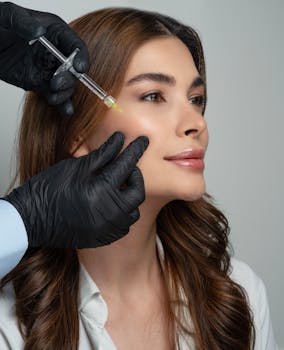
Cheek fillers have gained popularity as a non-surgical option for enhancing facial volume and contour. However, understanding cheek fillers side effects is crucial before considering this aesthetic procedure. While many people enjoy the rejuvenating benefits of cheek fillers, there are potential risks and side effects to be aware of.
Understanding Cheek Fillers: Benefits and Common Uses
Cheek fillers, often made from hyaluronic acid or other substances, are injected into the dermal layers to restore volume, reduce wrinkles, and enhance facial symmetry. They offer benefits like improved cheek contour and a more youthful appearance. Commonly used fillers include brands like Juvéderm, but it’s important to recognize the potential side effects that can accompany these treatments.
Benefits of Cheek Fillers
The primary benefit of dermal fillers in cheeks is their ability to add volume, which can help diminish the appearance of fine lines and wrinkles. Additionally, these fillers can provide a subtle lift, emphasizing the cheekbones and contributing to a more defined profile.
For those considering eco-friendly and sustainable beauty practices, it’s worth exploring options. Check out our article on eco-friendly skincare solutions for more insights.
Cheek Fillers Side Effects: What You Need to Know
Despite their popularity, cheek fillers do come with potential side effects. Understandably, many people ask, are cheek fillers dangerous or are fillers bad for you? Side effects can vary based on individual reactions and the type of filler used. Common side effects include swelling, bruising, redness, and tenderness at the injection site. These are usually temporary and resolve within a few days.
Are There Serious Risks?
Although less common, more serious complications can occur. These may include infection, asymmetry, or even vascular occlusion if an artery is inadvertently injected with filler. This highlights the importance of having the procedure performed by a qualified and experienced professional to minimize the dangers of fillers.
Bad Face Fillers: When Things Go Wrong
Instances of bad facial fillers can result in complications like lumps or uneven texture. This usually happens when the filler is not placed correctly or when too much filler is used. Choosing a skilled practitioner can help avoid such issues and improve the aesthetics of the final result.
Long Term Effects to Consider
Some individuals worry about the long term effects of dermal fillers. While fillers are generally considered safe, their longevity can vary. Over time, repeated procedures could potentially stretch the skin or alter facial anatomy. It’s important to have realistic expectations and consult with a healthcare professional about the potential long-term effects of repeated filler use.
Planning and Preparation: Minimizing Risks
Before undergoing cheek injections, it’s crucial to discuss any existing medical conditions and current medications with your healthcare provider. This will help identify any contraindications related to specific fillers like hyaluronic acid, ensuring a safer procedure.
Aftercare: Managing Face Fillers Side Effects
Proper aftercare can help minimize facial fillers side effects. Patients are typically advised to avoid strenuous exercise, excessive sun exposure, and alcohol consumption for at least 24–48 hours post-procedure. Applying ice packs and keeping the head elevated can also assist with swelling and bruising.
Consultation: Choosing the Right Practitioner
The question often arises: are all practitioners equally qualified to administer fillers? Not all professionals have the same training and experience with dermal filler cheeks. Investing time in selecting a certified and experienced practitioner can significantly reduce the risks associated with Juvéderm dermal filler side effects.
Takeaways
- Cheek fillers can enhance facial volume and contour but carry some risks.
- Common side effects include swelling, bruising, and redness.
- Serious complications are rare but possible, emphasizing the need for expert supervision.
- Consultation and proper aftercare are vital for minimizing side effects.
- Discuss potential long-term impacts with your healthcare provider.
FAQ
What substances are commonly used in cheek fillers?
Cheek fillers often use hyaluronic acid or other biocompatible substances, which are absorbed naturally by the body over time.
How long do the effects of dermal fillers last?
The effects generally last six months to two years, depending on the type of filler and the individual’s metabolism.
Is there any downtime associated with cheek fillers?
Most patients experience minimal downtime. Swelling and bruising might persist for a few days but usually do not require missing work or social activities.
How can I ensure I choose the right practitioner?
Look for board-certified dermatologists or plastic surgeons with extensive experience in dermal fillers. Checking reviews and asking for before-and-after photos can also help.
Do fillers have permanent consequences?
While the filler itself is temporary, repeated use or incorrect application might have lasting effects on skin texture or facial anatomy. Always consult with your provider regarding any risks.
Before proceeding with cheek fillers, understanding their side effects and associated risks can help ensure a safe and satisfactory experience. Always consult a qualified professional to guide your decisions.