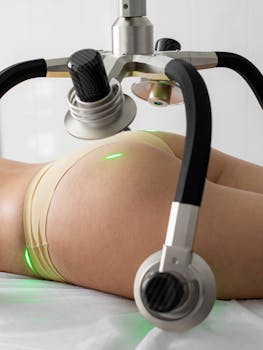
Liposuction is a popular cosmetic procedure for those looking to remove excess fat from specific areas of the body, but many people are curious and often wonder, does insurance cover liposuction? Understanding the nuances of insurance coverage for this procedure can be complex, as it typically isn’t included in standard health insurance plans. This article explores the factors that might influence coverage and what avenues exist if you’re considering having the procedure.
What Is Liposuction?
Liposuction, also known as lipoplasty, is a surgical procedure used to remove fat deposits from areas such as the abdomen, thighs, buttocks, arms, and neck. It can help sculpt the body, but it’s not a weight-loss method. The procedure involves using a suction technique to remove fat through a tube inserted into the body.
Liposuction may be appealing to individuals who have tried diet and exercise without achieving their desired body shape. Health insurance typically does not cover liposuction as it is classified as a cosmetic procedure. However, there are certain circumstances where coverage might be possible.
Does Insurance Cover Liposuction?
The primary reason insurance does not cover liposuction is that it isn’t considered medically necessary. However, if liposuction is part of reconstructive surgery to address medical conditions, like lipedema or a health issue complicating due to excess fat, some insurance providers might consider partial coverage.
Each insurance plan varies in its policies. Therefore, it’s essential to review your specific plan details or speak directly with your provider. Additionally, it’s crucial to have documentation from a healthcare professional that confirms the medical need for liposuction, which might support your case to get insurance coverage.
How to Get Liposuction Covered by Insurance
Securing insurance coverage for liposuction requires strategic planning and detailed documentation. Here’s what you can do:
- Consult with your healthcare provider about the necessity of liposuction. Obtain a written recommendation outlining the medical reasons for the procedure.
- Contact your insurance company and inquire about their policies regarding procedures like liposuction. Some plans have specific clauses that might offer partial coverage.
- Gather and submit all relevant medical documentation that supports your claim. This might include medical history, physician statements, and any diagnostic tests indicating the necessity of the surgery.
- Consider enrolling in a health savings account (HSA) or flexible spending account (FSA), which may help offset the cost if your insurance does not cover the procedure.
Factors Influencing Liposuction Insurance Coverage
Several factors can influence whether or not liposuction might be covered by insurance:
- Medical necessity: If liposuction is deemed necessary to alleviate a health problem or to complete another medically necessary procedure, insurance may cover it.
- Insurance policy terms: Detailed policy examination is required as each insurance provider and plan has unique terms and conditions.
- Documentation: Comprehensive medical records and physician recommendations can strengthen your case for insurance claims.
Alternative Options for Financing Liposuction
If insurance doesn’t cover liposuction, there are alternative ways to finance the procedure:
- Payment plans: Many clinics offer payment plans that break down the cost into manageable monthly payments.
- Medical credit cards: Cards like CareCredit can be used to finance healthcare costs, including cosmetic surgeries.
- Personal loans: Some people opt for personal loans from banks or credit unions to cover the expense.
- Saving plans: Setting aside money over time can gradually accumulate enough to cover the costs.
Considerations and Risks of Liposuction
Liposuction, like any surgery, carries risks such as infection, bleeding, and reactions to anesthesia. It’s important to discuss these risks with a qualified surgeon. Recovery times can vary, and following post-operative care instructions is crucial for optimal results.
For more details on recovery timelines for cosmetic surgeries, you might find [insights on rhinoplasty recovery timelines helpful](https://wellnesshq.net/skin-care-beauty/rhinoplasty-recovery-timeline-what-to-expect-after-nose-surgery/).
The Decision to Undergo Liposuction
Deciding to undergo liposuction is significant and requires careful consideration of factors including cost, recovery time, and potential outcomes. Discussing your goals and concerns with a qualified healthcare provider will provide clarity and guidance for your decision.
For more information about liposuction and related procedures, visit Wikipedia’s liposuction page.
Ultimately, the question of does insurance cover liposuction depends heavily on individual circumstances, insurance policies, and specific health conditions. A thorough understanding and exploration of your options ensures you make the decision best suited to your healthcare needs.
- Liposuction is typically a cosmetic procedure not covered by insurance.
- Insurance may cover liposuction if medically necessary.
- Consider alternative financing options if insurance does not cover the procedure.
- Consult with a healthcare provider to explore all possibilities.
- Understanding your insurance policy is key to determining coverage.
What is liposuction?
Liposuction is a surgical procedure used to remove excess fat from specific body areas, improving body contour and proportion. It’s not a weight-loss method but a body-sculpting technique.
Is liposuction covered by insurance?
Insurance generally does not cover liposuction as it is considered a cosmetic procedure. Coverage may be possible if it’s deemed medically necessary, but this depends on your specific insurance policy and circumstances.
How can I check if my insurance covers liposuction?
To determine if your insurance covers liposuction, consult with your healthcare provider for documentation and then contact your insurance company to review their policies and coverage options.
What are the alternatives if insurance doesn’t cover liposuction?
If insurance doesn’t cover liposuction, consider alternatives such as setting up a payment plan, using a medical credit card, taking out a personal loan, or saving over time.
What are the risks associated with liposuction?
Liposuction carries risks like any other surgical procedure, including infection, bleeding, and possible complications from anesthesia. Discuss these with your surgeon to make an informed decision.