Stretch marks and cellulite are common skin concerns that many individuals seek to manage. While these conditions are generally harmless, they can affect self-esteem and body confidence. Understanding their causes and exploring effective management strategies can help you feel more comfortable and confident in your skin.
Understanding Stretch Marks and Cellulite
Stretch marks, also known as striae, occur when the skin is stretched rapidly, often due to growth spurts, weight gain, or pregnancy. These marks usually appear as red or purple lines on the skin, fading to a silvery-white over time. Cellulite, on the other hand, is characterized by a dimpled appearance on the skin, commonly seen on thighs, buttocks, and abdomen. It results from fat deposits pushing through connective tissue layers beneath the skin.
Causes and Risk Factors
The primary causes of stretch marks and cellulite include genetics, significant weight changes, hormonal fluctuations, and certain lifestyle factors. Genetics play a significant role as some individuals may be more predisposed to developing these skin conditions. Hormonal changes, particularly during puberty and pregnancy, can also contribute.
Genetic Predisposition
Genetic factors can determine your skin’s elasticity and the likelihood of developing stretch marks and cellulite. If your parents experienced these issues, you might be more prone to them as well.
Lifestyle and Health Factors
Poor diet, lack of exercise, and smoking are additional factors that may exacerbate the appearance of stretch marks and cellulite. A diet high in sugar and fats can lead to increased fat storage, while smoking damages connective tissues, affecting skin appearance.
Managing and Reducing Stretch Marks and Cellulite
While complete eradication of stretch marks and cellulite is challenging, several strategies may help reduce their appearance and improve skin texture.
Topical Treatments
Certain creams and lotions may help hydrate the skin and improve elasticity, which can lessen the visibility of stretch marks and cellulite. Products containing ingredients like retinoids, hyaluronic acid, and centella asiatica are being studied for these purposes.
Healthy Diet and Exercise
Maintaining a balanced diet rich in antioxidants, vitamins, and minerals can promote skin health. Regular exercise can improve circulation and tone the muscles, potentially reducing the appearance of cellulite. Combining aerobic exercises with strength training is recommended for best results.
Medical and Cosmetic Procedures
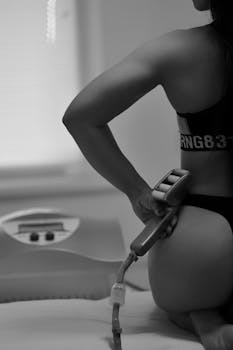
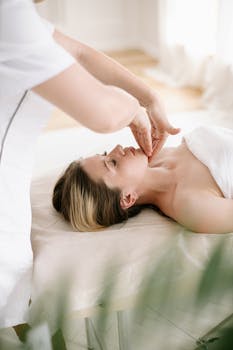
Several medical treatments can assist in managing stretch marks and cellulite. Laser therapy, microdermabrasion, and radiofrequency treatments are popular options for those seeking professional interventions. Consulting a dermatologist can help determine the most suitable treatment for your specific needs.
Preventing Stretch Marks and Cellulite
While it may not be possible to completely prevent stretch marks and cellulite, certain measures can reduce your risk.
Hydration and Nutrition
Adequate hydration keeps the skin pliable and resilient. Consuming a diet high in fruits, vegetables, and healthy fats supports skin structure and repair.
Regular Exercise
Engaging in regular physical activity helps maintain a healthy weight and improves circulation, both of which are beneficial for skin appearance. Exercises focusing on the lower body and core can be particularly effective.
Skin Care Routine
Establishing a routine that includes moisturizing and gentle exfoliation can enhance skin texture. Using products with botanicals and natural oils may also support skin health and appearance.
For more skincare tips and costs associated with beauty procedures, explore our affordable cosmetic procedures guide.
Final Thoughts on Stretch Marks and Cellulite
Stretch marks and cellulite impact many individuals, but a combination of lifestyle changes, skincare routines, and professional treatments can effectively manage their appearance. Embracing a healthy lifestyle and consulting healthcare professionals ensures the best approach for your unique skin concerns. For a wider understanding of health-related topics, visit this resource.
- Stretch marks and cellulite are common and can occur due to genetics, weight changes, and lifestyle factors.
- Topical treatments, healthy diet, and exercise may reduce their appearance.
- Medical interventions like laser therapy can provide effective results.
- Preventive measures include hydration, nutrition, and regular exercise.
- Consult healthcare providers for tailored advice and treatment options.
FAQ on Stretch Marks and Cellulite
What causes stretch marks and cellulite?
They can be caused by genetic predisposition, hormonal changes, significant weight shifts, and lifestyle factors such as poor diet and smoking.
Can creams remove stretch marks and cellulite?
Creams and lotions may help reduce their appearance but are unlikely to remove them completely. Ingredients like retinoids and hyaluronic acid are often used.
Is it possible to prevent stretch marks and cellulite?
While it’s challenging to prevent them entirely, maintaining a healthy weight, balanced diet, and regular exercise can help reduce the risk.
Are there effective medical treatments?
Yes, treatments such as laser therapy, microdermabrasion, and radiofrequency can be effective, and consultation with a dermatologist is advised.
Are stretch marks and cellulite harmful?
No, they are typically harmless and do not pose health risks, though they can affect personal confidence and self-esteem.