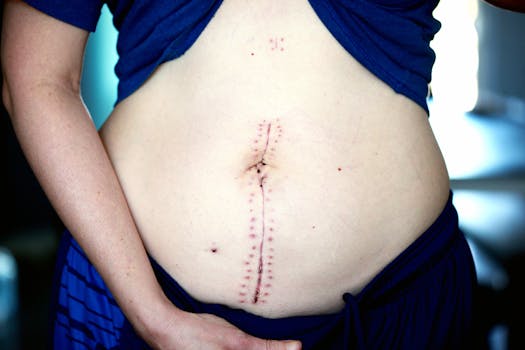
Undergoing a tummy tuck, also known as abdominoplasty, is a significant decision that often comes with concerns about the resulting scar. Many individuals seek effective tummy tuck scar removal methods to minimize and improve the appearance of these scars. While complete removal might not always be possible, various treatments can help reduce their visibility and support the healing process.
Tummy Tuck Scar Removal: Understanding the Basics
The formation of scars following a tummy tuck procedure is a natural part of the body’s healing process. These scars are typically located below the bikini line, making them easy to hide under clothing. Over time, the appearance of scars can improve, but they may not completely disappear without treatment. Understanding the factors that affect scar healing can help set realistic expectations.
Factors that Influence Scar Healing
- Skin Type: Individual skin characteristics, such as thickness and elasticity, significantly affect scar healing.
- Sun Exposure: Protecting scars from the sun prevents pigmentation and darkening.
- Aftercare: Consistent post-operative care, including cleaning and moisturizing, promotes better healing.
- Genetics: Genetic factors can predispose some people to hypertrophic or keloid scars.
Common Tummy Tuck Scar Treatments
Several options are available for tummy tuck scar treatment. These range from topical applications to professional procedures. Here’s a closer look at these methods:
- Topical Treatments: Over-the-counter silicone gels and sheets are popular for reducing scar thickness and improving texture. Consistent use over several months can yield visible improvements.
- Laser Therapy: Laser treatments can significantly reduce scar appearance by targeting and breaking down scar tissue. This option often requires multiple sessions.
- Injections: Steroid injections can help flatten raised scars. They are often used for keloid or hypertrophic scars to reduce size and discomfort.
- Microneedling: This procedure involves using tiny needles to create micro-injuries, stimulating collagen production to improve scar texture and appearance.
- Excision and Scar Revision: In some cases, surgical scar revision can be an option to improve the scar’s appearance. This approach must be discussed thoroughly with a qualified surgeon.
Each tummy tuck scar treatment option has its pros and cons. Therefore, a personalized approach is necessary, and consultation with a healthcare provider can help determine the best course of action.
Natural and Home Remedies
In addition to conventional treatments, some individuals explore natural remedies to support scar healing. Options include:
- Aloe Vera: Aloe vera is known for its skin-soothing properties and may help keep scars hydrated.
- Coconut Oil: Rich in fatty acids, coconut oil can moisturize and potentially improve scar texture over time.
- Vitamin E:** According to some studies, vitamin E creams might help soften scar tissue, although results can be variable.
- Onion Extract: Found in some scar gels, onion extract may help reduce scar height and discoloration.
While these remedies are generally safe, it’s crucial to conduct a patch test and consult a healthcare provider to prevent allergic reactions.
Consultation and Professional Guidance
Seeing a dermatologist or plastic surgeon provides valuable insights into managing tummy tuck scars. These professionals can offer tailored advice based on the scar’s condition, your skin type, and your overall health. Their expertise ensures the use of effective methods that suit your specific needs. Additionally, learning about potential scar tissue removal techniques and expert tips can enhance your understanding.
Prevention and Aftercare
Preventing severe scarring begins with proper aftercare following a tummy tuck surgery. Key strategies include:
- Adhering to Surgeon’s Instructions: Follow all post-operative care instructions provided by your surgeon to ensure optimal healing.
- Avoiding Strenuous Activities: Protect the surgical site from strain and sudden movements.
- Using Sunscreen: Protecting scars from the sun prevents darkening and hyperpigmentation.
- Moisturizing: Regularly applying moisturizers can keep the scar softened and flexible.
Final Thoughts on Tummy Tuck Scar Removal
Tummy tuck scar removal encompasses a variety of treatments aimed at minimizing scar visibility. While complete removal may not be feasible, numerous options can improve scar appearance and skin texture. Each person’s journey is unique, and professional guidance is crucial for selecting the most appropriate treatment. For further research and guidance, consult reputable sources, such as the health article on Wikipedia, and always consult clinicians for personalized advice.
- Tummy tuck scars are common, but several treatments can improve their appearance.
- Consult a healthcare provider to understand the best scar management plan for you.
- Topical treatments, laser therapy, and injections are common medical options.
- Natural remedies like aloe vera and coconut oil may provide additional support.
- Effective aftercare is essential to minimize the development of severe scars.
FAQs
Can tummy tuck scars be completely removed?
While complete removal is challenging, many treatments can significantly improve a scar’s appearance.
How long does it take for tummy tuck scars to fade?
Scars can take a year or more to fade, with the most significant changes occurring in the first few months post-surgery.
Are home remedies effective for tummy tuck scar treatment?
Home remedies may support healing and improve scar texture in conjunction with other treatments.
What are the risks of laser therapy for scar treatment?
Laser therapy is generally safe but may cause temporary redness, swelling, or pigment changes.
Should I consult a professional for scar treatment?
Yes, consulting a professional ensures personalized treatment and optimal results.