Swelling after liposuction is a common concern for many individuals who undergo this procedure. Understanding what to expect and how to manage post lipo swelling can contribute significantly to a smoother recovery process. Liposuction, though effective in reshaping body contours, can result in temporary swelling and discomfort. This article outlines strategies and tips to help you minimize swelling and enhance your recovery after liposculpture.
Understanding Swelling After Liposuction
The swelling after liposuction is a natural response to the body’s healing process. When fat cells are removed, the body reacts by sending fluids to the affected areas to assist in healing, which leads to swelling. It is a normal part of the recovery process and varies based on the extent of the procedure and individual healing capabilities. Managing this swelling is vital for achieving optimal results and comfort.
Why Does Swelling Occur?
After liposuction, swelling happens because of inflammation and the body’s efforts to heal the area where fat was removed. The body’s lymphatic system plays a crucial role in this process, as it works to remove excess fluid and cellular debris post procedure. This process can take time, and patience combined with strategic post-operative care can significantly reduce after liposuction swelling.
How Long Does it Last?
The duration of swelling post-lipo varies from person to person. Generally, significant lipo swelling can last for several weeks, with most swelling subsiding substantially by the end of the first month. Full resolution of mild persistent swelling may take up to six months. It is essential to follow medical advice and adopt recommended practices to manage this period effectively.
Tips to Reduce Swelling After Liposuction
Wear Compression Garments
Compression garments are one of the most effective tools to minimize swelling after lipo. They help provide consistent pressure across the surgical area, reducing fluid buildup and promoting even, smooth contours. These garments should be worn as directed by your surgeon to optimize results and comfort.
Stay Hydrated
Keeping yourself well-hydrated is crucial for swelling reduction. Adequate fluid intake aids in flushing out toxins and minimizing water retention, which can exacerbate post-operative swelling. Aim for plenty of water throughout the day to support your body’s healing process.
Follow a Healthy Diet
A balanced diet rich in fruits, vegetables, and lean proteins can support recovery. Foods high in antioxidants and vitamins, such as leafy greens and berries, may promote healing and reduce inflammation. Avoiding excessive salt can also prevent unnecessary fluid retention.
Incorporate Light Exercise
While rigorous activities should be avoided initially, gentle walking can enhance circulation and help in reducing swelling. Walking promotes lymphatic drainage and prevents blood clots, aiding the recovery process. Always consult your surgeon regarding the right time to resume physical activities.
Consider Lymphatic Drainage Massage
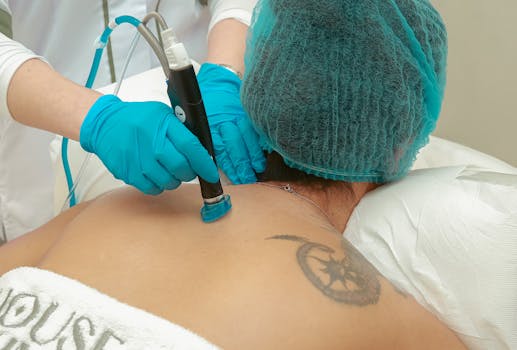
Specialized massage techniques, such as lymphatic drainage massage, can help in managing swelling post lipo. This gentle massage promotes fluid movement along lymphatic pathways, assisting in the reduction of inflammation. Always seek professional guidance for such treatments post-surgery.
Additional Strategies for Managing Swelling Post Lipo
Listen to Your Body
Your body communicates its needs and limits during the recovery period, and it is crucial to listen attentively. Rest as needed and avoid overexertion, which can prolong swelling and delay recovery.
Consult Regularly with Your Healthcare Provider
Regular follow-ups with your surgeon are crucial to monitor progress and address any concerns. They can provide personalized advice on reducing swelling and optimizing your healing process. Always feel free to ask questions if you’re unsure about any post-operative care instructions.
Seek Professional Advice on Medications
Your surgeon may recommend specific medications to help reduce inflammation and manage discomfort. Ensure to follow their guidance without resorting to over-the-counter drugs without consulting first, as some medications might exacerbate bleeding and swelling.
For more expert tips on managing post-liposuction recovery, explore additional resources and FAQs that offer valuable insights.
Concluding Thoughts on Managing Swelling After Liposuction
The key to reducing swelling after liposuction lies in understanding the nature of post-operative healing and adopting a proactive approach. While the journey to full recovery requires time and patience, employing tried-and-tested strategies can alleviate discomfort and enhance results. Remember, everyone heals differently, so personalize your recovery plan accordingly.
For further comprehensive sources on healthcare and recovery strategies, you may consult reputable resources like the Health page on Wikipedia.
- Swelling after liposuction is a normal part of the healing process.
- Compression garments and hydration are key strategies for reducing swelling.
- Gentle exercise and a healthy diet can support recovery.
- Consult with your surgeon for personalized post-operative care advice.
- Patience and proactive care are essential for optimal results.
What causes swelling after liposuction?
Liposuction involves removing fat cells, and the body responds with inflammation and fluid accumulation, contributing to swelling.
How long does swelling last?
Initial swelling subsides substantially within a month, but mild swelling may persist up to six months.
Are there any dietary changes to consider?
Yes, a diet rich in fruits, vegetables, and lean proteins, with reduced salt intake, can help manage swelling.
Can I exercise after liposuction?
Consult with your surgeon, but light walking is often encouraged to improve circulation and aid recovery.
Is massage helpful in reducing swelling post-lipo?
Lymphatic drainage massage can be beneficial, but it should be performed by trained professionals and after your surgeon’s approval.