Facial fillers are gaining popularity as a non-surgical way to enhance natural beauty. Understanding the various types of fillers for face can help you decide which option might best suit your needs. Each type offers unique benefits and is designed for specific aesthetic outcomes. In this article, we explore these different options to give you a comprehensive overview.
Common Types of Fillers for Face
Facial fillers are substances injected beneath the skin to add volume, with many variations available. Here, we explore some of the most commonly used types of fillers.
Hyaluronic Acid (HA) Fillers
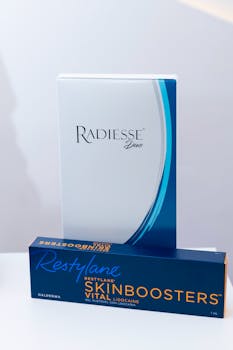
Hyaluronic acid-based fillers are among the most popular options. They help restore hydration, smooth out wrinkles, and add volume. HA is naturally occurring in the skin, making these fillers generally well-tolerated. Popular brands include Juvederm and Restylane.
Calcium Hydroxylapatite Fillers
These fillers are often used for deeper wrinkles and volume restoration. Calcium hydroxylapatite is a mineral-like compound found in bones, providing an effective option for enhancing the appearance of facial contours.
Poly-L-Lactic Acid Fillers
This biodegradable synthetic substance is used in products like Sculptra. It helps stimulate collagen production, improving the skin’s texture and flexibility over time. It’s particularly beneficial for addressing drooping skin and deep-set lines.
Polymethylmethacrylate (PMMA) Fillers
Containing tiny PMMA microspheres, these semi-permanent fillers offer long-lasting results. They are typically used for deep wrinkles, folds, and reconstructive purposes. Results can last several years, making them a durable choice.
Autologous Fat Injections
Also known as facial fat grafting, this method uses a person’s own fat, extracted and reinjected into the desired area. It’s often preferred for those looking for a natural option that integrates well with their skin.
For more in-depth insights into the latest fillers for their unique benefits, potential risks, and expected downtime, visit our comprehensive guide.
How to Choose the Right Filler
Selecting the right types of fillers for face can depend on multiple factors, including the specific areas you wish to treat, your skin type, and desired outcome.
Consult with a Qualified Professional
Always consult with a qualified dermatologist or cosmetic surgeon when considering fillers. They can assess your skin and help you determine which filler would work best for your individual needs.
Consider Your Goals
Specific goals, such as wrinkle reduction or lip enhancement, may be better addressed with certain fillers. Discuss your objectives to find the appropriate match.
Understand Longevity and Maintenance
Different fillers offer varying durations of effectiveness, from a few months to several years. Consider how often you’re willing to undergo procedures when choosing a filler.
FAQs about Types of Fillers for Face
What are the side effects of facial fillers?
Side effects can include swelling, bruising, and redness at the injection site. Rarely, more severe reactions can occur. Consult with your provider about potential risks.
How long do facial fillers last?
The duration depends on the type of filler used. Hyaluronic acid fillers might last 6–12 months, while others like PMMA can last several years.
Are fillers safe?
When administered by a certified professional, fillers are generally considered safe. It’s crucial to follow post-procedure care instructions to minimize risks.
Can fillers be reversed?
Hyaluronic acid fillers can often be dissolved with an enzyme called hyaluronidase if needed. This flexibility can be reassuring for those trying fillers for the first time.
Do fillers have any long-term effects?
When performed correctly, long-term effects are usually positive, such as increased collagen production. However, improper use can lead to complications, emphasizing the importance of choosing a qualified practitioner.
For a broader context on health and related processes, you can refer to this educational resource: Health information on Wikipedia.
- Facial fillers can assist with volume restoration and wrinkle reduction.
- Different fillers cater to different needs and have varying durations of effectiveness.
- Consulting with a professional is essential to choose the right type of filler.
- Be aware of the potential side effects and maintenance involved.
- Understanding the longevity and reversibility of fillers can guide your decision.