If you’re curious about the fat transfer breast procedure, you’re not alone. Also known as fat grafting or fat augmentation, this type of plastic surgery offers an appealing option for individuals seeking a more natural enhancement using their own body fat. The process involves moving fat from a part of your body where it’s less desired, often the belly or thighs, and injecting it into the breasts. This innovative approach not only utilizes unwanted fat but is considered a more natural alternative to implants.
Understanding Fat Transfer Breast Procedure
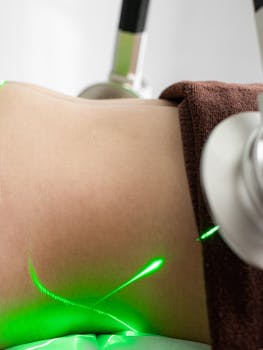
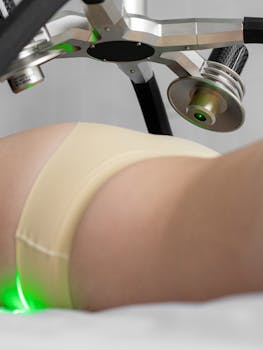
The fat transfer breast procedure begins with liposuction, a technique that extracts fat from areas like the abdomen or thighs. This “lipo transfer” method is ideal for those wondering, “Can you transfer fat from stomach to breast?” or “Can you take fat from stomach and put in breasts?” Indeed, you can transfer fat to your breast safely.
Once the fat is removed through liposuction, it is purified and transferred into the breasts using carefully placed injections. This method helps to enhance the breast size and shape in a natural way, void of synthetic implants. Commonly referred to as a “boob fat transplant” or “breast fat injections,” this procedure can offer subtle, natural-looking results.
Who is a Candidate for Fat Transfer Breast?
Not everyone is a suitable candidate for a fat transfer operation. Ideal candidates are those who possess excess fat in other parts of their body but desire fuller breasts without the insertion of synthetic implants. It’s important for individuals considering this procedure to have realistic expectations about the results.
For those contemplating “how to get fat to your breast,” this procedure may be an option if you are seeking a modest increase in breast size and prefer a natural aesthetic over the more pronounced volume that traditional implants might provide. Consultation with a board-certified plastic surgeon will help in determining whether this approach is suitable for your goals.
Benefits of Fat Grafting Surgery
Fat grafting, particularly for breast enhancement, carries unique advantages. Among these, many appreciate the dual benefit of contouring another body part while augmenting the breasts. This “transfer fat from belly to breast” approach not only increases breast size but sculpts the donor site, enhancing the overall body silhouette.
Another compelling advantage is the reduced risk of allergic reaction or rejection since the procedure uses your own body fat. Additionally, for those pondering “is fat transfer safe,” this method is generally considered low-risk compared to traditional implant surgeries. However, as with any surgical procedure, there are potential risks and side effects to discuss with a medical professional.
Potential Side Effects and Safety
While many ask, “are fat transfers safe,” it is crucial to understand potential breast fat transfer side effects. Common side effects may include swelling, bruising, or tenderness in the donor and recipient sites. In rare cases, fat necrosis or cyst formation can occur, making consultation with a skilled surgeon paramount.
Though serious complications are uncommon, individuals wondering “is fat transfer to breast safe” should discuss their medical history with their surgeon to determine their individual risk factors. Overall, this procedure is generally low-risk, especially when performed by experienced practitioners.
Connecting Fat Transfer to Broader Health Practices
The fat transfer procedure is just one example of how modern cosmetic techniques blend with personal wellness goals. For those intrigued by similar transformative health and beauty practices, explore the latest in skincare advancements with our comprehensive guide to breakthroughs in skincare technology.
Gaining knowledge about your health and beauty options empowers you to make informed decisions that align with your desired self-image. Procedures like fat grafting uphold the principle of using one’s own body resources for enhancement, echoing deeper trends in personalized beauty approaches.
Conclusion: Is Fat Transfer Breast Right for You?
Whether you’re asking, “Can you inject fat into your breasts?” or considering the broader implications of surgical fat transfer, it’s crucial to evaluate your goals and consult with a healthcare professional. The fat transfer breast procedure offers a promising alternative for those seeking natural augmentation without implants. While results may vary, the overall appeal lies in its ability to utilize your body’s resources for enhancement, fostering a more holistic approach to body and beauty.
- Fat transfer breast procedures utilize your own fat for natural enhancement.
- Candidates should have realistic expectations and consult professionals.
- This procedure can offer double benefits: breast enhancement and body contouring.
- Potential side effects exist but are generally low-risk.
- Explore broader wellness practices for empowered health choices.
FAQs
How does a fat transfer work?
A fat transfer involves liposuction to remove fat from one area, purifying it, and then injecting it into another area, such as the breasts.
Can fat be transferred to any part of the body?
While commonly used for breasts, fat transfer can potentially be used for other areas like the face, hands, and buttocks, depending on the desired outcome and individual conditions.
What are the pros and cons of fat transfer breast augmentation?
Pros include using your own fat for a natural look and dual contouring benefits. Cons may include longer procedure times and potential for absorption of transferred fat, which can affect results.
Is recovery from breast fat transfer lengthy?
Recovery time varies, typically involving a few weeks of healing. Normal activities can often resume within a few days, but strenuous activities should be avoided for longer.
Are there alternatives to breast fat transfer?
Alternatives include traditional breast implants or non-surgical options like fillers. Each has different benefits and should be discussed with a professional to find the best fit for your goals.
For more detailed information on this topic, visit the Health Wikipedia Page.