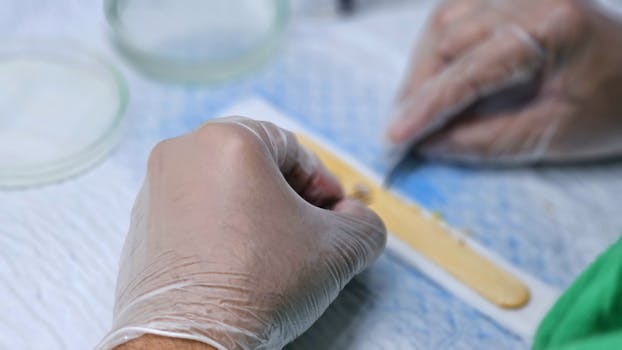
Follicle extraction, a component of hair restoration procedures, has gained popularity as a solution for individuals experiencing hair loss. This method, known for its precision and natural-looking results, involves removing individual follicular units from the donor area to promote hair growth in balding or thinning regions. As you consider follicle extraction, understanding the nuances of the procedure, its pros and cons, and the recovery process will help in making an informed decision.
Understanding Follicle Extraction
Follicle extraction, often referred to as follicular unit extraction (FUE), is a minimally invasive hair transplantation method. During this procedure, each hair follicle is removed individually using a precise instrument, then transplanted to areas requiring more hair density. This technique is a departure from the traditional strip harvesting method, offering a less invasive approach with reduced recovery times.
The FUE hair procedure is renowned for its ability to produce a natural-looking hairline. Since follicles are extracted and implanted individually, the surgeon can strategically place them to mimic natural hair growth patterns. This meticulous method is preferred by many looking for a subtle and seamless hair restoration.
Pros and Cons of Follicle Extraction
Like any medical procedure, follicle extraction has its advantages and potential drawbacks.
Pros
- Minimally Invasive: The FUE hair transplant procedure leaves minimal scarring compared to other methods, as it avoids the need for large incisions.
- Faster Recovery: Patients undergoing follicular unit excision typically experience quicker recovery times, allowing them to resume normal activities sooner.
- Natural Results: By transplanting individual follicular units, the outcome is often indistinguishable from natural hair growth.
Cons
- Cost: Due to the intricate nature of the FUE hair treatment, it can be more expensive than other hair transplant methods.
- Time-Consuming: Because of the meticulous nature of the procedure, it may take longer to complete compared to other methods like strip harvesting.
- Limited Grafting: In one session, fewer grafts may be harvested compared to traditional methods, which might require multiple sessions for extensive hair loss.
What to Expect During the Follicular Unit Extraction Procedure
The follicular unit extraction procedure starts with preparing the donor area, usually the back of the head, where hair density is typically denser. The surgeon then uses a micro-punch tool to extract individual hair follicles. These harvested units are then placed in the balding or thinning areas.
Typically, the procedure is performed under local anesthesia, ensuring that the patient remains comfortable throughout. The duration can vary based on the number of follicles being transplanted. It’s not uncommon for a session to last several hours, especially if a large number of units are required.
Recovery and Results
Follicular unit extraction recovery time is relatively brief compared to other hair restoration methods. Most patients can expect some discomfort and minor swelling, which typically resolves within a few days. It’s crucial to follow post-procedure care instructions to ensure optimal healing and follicle survival.
Initial results from the FUE hair surgery may be visible after three to four months, with more significant growth occurring around six to nine months post-surgery. Most patients experience the full outcome within a year, witnessing a substantial improvement in hair density and aesthetics.
Exploring Alternatives to Follicle Extraction
While follicular unit extraction remains a popular choice, it’s critical to explore all available options. Some might opt for non-surgical solutions, such as medications or topical treatments, which are being studied for their efficiency in supporting hair regrowth. Consulting a professional can provide insights into which options best suit your specific needs.
Understanding the recovery timeline of other procedures can give additional perspective when comparing the lengthy process involved in certain surgical methods versus quicker alternatives.
For additional information on hair treatments and general health resources, visit this resource.
- Follicle extraction is a precise, minimally invasive hair restoration method.
- FUE offers natural-looking results with relatively quick recovery.
- Consider pros, cons, and alternatives with a professional.
- Post-procedural care is essential for optimal results.
- Consulting with a specialist can personalize treatment options.
FAQ
What is follicle extraction?
Follicle extraction, also known as follicular unit extraction, is a hair transplant technique where individual hair follicles are extracted and moved to areas with thinning or balding hair.
How does the FUE hair transplant procedure differ from other methods?
Unlike traditional strip harvesting, the FUE method does not involve large incisions or sutures, resulting in minimal visible scarring and quicker recovery.
How long does recovery take after follicular unit extraction?
Recovery times after FUE are generally short, with most patients experiencing only mild discomfort for a few days before resuming normal activities.
Are there any risks involved with follicular unit extraction?
As with any medical procedure, there are risks, including infection or poor graft survival, but these can be minimized with an experienced practitioner and proper aftercare.
Will my new hair look natural after the FUE hair procedure?
Yes, because the procedure involves careful placement of individual hair follicles, resulting in growth that closely resembles your natural hair pattern.