Hair loss concerns affect a significant portion of the population, leading many to explore various hair restoration options. These options range from natural remedies and lifestyle changes to advanced medical procedures. This article aims to provide clear insights into the different hair restoration options available today, addressing both their pros and cons.
Understanding Hair Restoration Options
The range of hair restoration solutions offers numerous choices for both men and women. Whether you’re interested in non-invasive treatments or more permanent surgical interventions, understanding what each option entails can help you make an informed decision.
Non-Invasive Hair Loss Treatments
Non-invasive treatments are often the first line of defense against hair loss, appealing due to their minimal side effects and ease of use. These include topical applications like minoxidil and laser treatments, which may promote hair growth and strengthen existing hair.
Minoxidil is a popular option for both men and women. Applied directly to the scalp, it works by increasing blood flow to the hair follicles. While it requires continuous use to maintain results, it can be an effective tool for hair growth restoration.
Laser therapy uses low-level lasers to stimulate hair follicles, potentially enhancing hair density. This process is comfortable and can be done at home with specially designed devices.
Hair Restoration Surgery Options
For those seeking more permanent solutions, hair restoration surgery offers several possibilities. Hair transplant procedures, such as Follicular Unit Extraction (FUE) and Follicular Unit Transplantation (FUT), are commonly sought after.
FUE involves extracting individual hair follicles from a donor area and implanting them into balding or thinning areas. This method leaves minimal scarring and boasts a quicker recovery time. Meanwhile, FUT involves removing a strip of scalp from the donor site, which may be more suitable for those needing a larger area covered. Each procedure has its pros and cons, often influenced by the individual’s hair loss pattern and personal preferences.
Hair surgery options are typically more expensive and require downtime for recovery, but they provide longer-lasting results compared to non-invasive treatments.
Topical Treatments and Medications
Topical treatments and medications remain staple options in the realm of hair restoration therapy. Apart from minoxidil, finasteride is another medication often prescribed for male hair restoration. Finasteride works by blocking hormonal activity that leads to hair loss.
It is crucial to discuss with a healthcare provider as these medications can have side effects and are more suitable for specific types of hair loss.
Alopecia and Hair Replacement Options
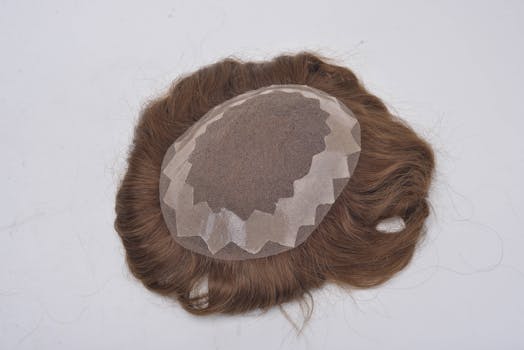
For individuals with conditions like alopecia, traditional hair restoration might not always be feasible. In such cases, hair replacement options like wigs or hair pieces can provide a practical and aesthetically pleasing alternative. Modern solutions offer natural-looking and customized pieces that blend seamlessly with existing hair.
Additionally, hair integration and woven hair pieces are available for those looking for semi-permanent solutions.
Natural Remedies and Lifestyle Changes
Beyond medical interventions, some individuals may prefer to explore natural remedies and lifestyle changes to support hair growth procedures for women and men. A balanced diet rich in vitamins and minerals, such as biotin, iron, and vitamin D, can promote healthier hair growth.
Stress management, regular scalp massages, and the use of natural oils like coconut or olive oil are also popular among those favoring less clinical approaches.
Consulting with Professionals
Before embarking on any hair restoration journey, consulting with dermatologists or trichologists can offer valuable insights. These professionals can assess the underlying causes of hair loss and recommend suitable treatments tailored to individual needs.
Concluding Thoughts on Hair Restoration Options
The journey to healthy hair can be unique for each individual. Understanding the array of hair restoration therapy options—from non-invasive treatments and surgeries to lifestyle modifications and professional consultations—can empower you to choose the best path forward. Regardless of the option chosen, informed decisions are key to achieving optimal results.
For more beauty-related advancements, check out the latest breakthroughs in skincare technology on our site. For more detailed information on hair health, you may refer to resources like this Wikipedia article on hair loss.
Takeaways
- Hair restoration options range from topical treatments to surgical interventions.
- Each solution has its own set of pros and cons, influenced by individual needs.
- Consultation with healthcare providers is essential for safe and effective results.
- Non-invasive treatments can be suitable for early stages of hair thinning.
- Surgery hair loss solutions provide more permanent results but require thorough consideration.
FAQ
How effective are non-invasive treatments for hair loss?
Non-invasive treatments can be effective in slowing hair loss and promoting hair growth, particularly when used early and consistently. However, their success varies among individuals.
What are the risks involved in hair restoration surgeries?
Risks include scarring, infection, and dissatisfaction with the results. It’s crucial to have a thorough consultation with a qualified professional to understand these risks.
Can natural remedies significantly improve hair growth?
While natural remedies can support overall hair health, their impact on reversing significant hair loss is generally limited. They are best used as part of a holistic approach alongside other treatments.
What is the cost range for hair transplant surgeries?
Costs for hair transplant surgeries can vary widely, ranging from several thousand to tens of thousands of dollars, depending on the extent of the procedure and the surgeon’s expertise.
Do any lifestyle changes contribute to reducing hair loss?
Yes, maintaining a healthy diet, managing stress, and avoiding harsh hair treatments can contribute positively to hair health and reduce thinning over time.