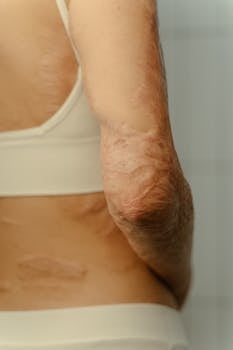
Understanding how long does it take for scar tissue to form is a common concern for anyone who has experienced an injury, surgery, or skin trauma. Scar tissue is part of the natural healing process, and its formation timeline can vary based on several factors such as the extent of the injury, location, and individual differences in healing. Let’s delve into the stages of scar tissue formation and factors that influence its development.
How Long Does It Take for Scar Tissue to Form?
The formation of scar tissue is a complex process that generally occurs in three distinct phases: inflammation, tissue formation, and remodeling. Each of these phases is critical to how and when scar tissue develops after an injury.
Phase 1: Inflammation
The initial phase begins immediately after an injury. It typically lasts for about 2 to 5 days. During this time, the body focuses on stopping bleeding and preventing infection. Cells responsible for cleaning pathogens and dead tissue flood the area, resulting in swelling and redness.
Phase 2: Tissue Formation
This phase, also known as the proliferative phase, can last from a few days to several weeks, depending on the wound’s severity. The body starts to build new tissue, with fibrous collagen forming the basis of newly constructed scar tissue. At this stage, the wound is still weak and requires proper care to support healing.
Phase 3: Remodeling
The final phase is the remodeling phase, which can continue for months or even years. The scar becomes more robust and elastic over time. The body continuously breaks down old collagen fibers and rebuilds them, improving the skin’s appearance and functionality.
For a more detailed exploration of scar tissue management and treatment options, visit our comprehensive guide on scar tissue removal.
Factors Influencing Scar Tissue Formation
The process of scar tissue formation is influenced by various factors, some of which include:
- Age: Younger skin generally heals more quickly and may leave less visible scars.
- Genetics: Some individuals are genetically predisposed to form more prominent scars, including keloids.
- Location: Areas with more tension or that are subject to movement may result in more noticeable scars.
- Type of Healing: Primary healing in clean, surgical wounds vs. secondary healing in more extensive injuries can affect scar quality.
- Care and Treatment: Using topical treatments and proper wound care can minimize scar formation.
Reducing the Appearance of Scars
While complete prevention of scarring may not be possible, certain practices might help reduce the visibility of scars. These include maintaining a clean and moist wound environment, avoiding sun exposure to healing skin, and possibly using medically recommended topical treatments containing ingredients like silicone or onion extract. Consulting with a dermatologist can also provide personalized strategies based on your specific needs.
External resources, such as this Wikipedia article on scars, can provide additional insights into scar types and treatments.
Conclusion
In summary, how long does it take for scar tissue to form can vary greatly based on individual and environmental factors. While the timeline can range from weeks to years, understanding the different phases of healing and influencing factors can aid in better managing the process and expectations.
- Scar tissue goes through inflammation, tissue formation, and remodeling phases.
- The healing timeline can range from weeks to several years, depending on multiple factors.
- Proper wound care and treatment options may reduce scar visibility.
- Individuals should consult healthcare professionals for specific scar management advice.
- Genetic predispositions can affect scar formation and characteristics.
FAQs
What is scar tissue?
Scar tissue forms as a natural process to replace normal skin after an injury. It consists mainly of collagen, a protein, and functions to restore the area’s integrity.
Can scar tissue be prevented?
While scarring is a natural part of healing, its severity can be lessened with proper wound care, which involves keeping the area clean, hydrated, and protected from further injury.
Are all scars permanent?
Scars can fade over time and become less noticeable, but they are often permanent. Treatments and care can help diminish their appearance.
Do all injuries result in scars?
Not every wound results in noticeable scarring. Minor injuries may heal without visible scars, while deeper injuries are more prone to leaving marks.
Can existing scars be treated or removed?
Various treatments, including lasers, surgery, and topical solutions, can help reduce the appearance of scars. Professional consultation is recommended for personalized treatment plans.