Liposuction is a popular cosmetic procedure, but it often leaves behind scars, including those on the back. If you’re looking for ways to manage and minimize lipo scars on your back, you’re not alone. Many people are interested in effective strategies for dealing with these marks, and fortunately, there are a variety of approaches you can take to reduce their appearance.
Understanding Lipo Scars on Back
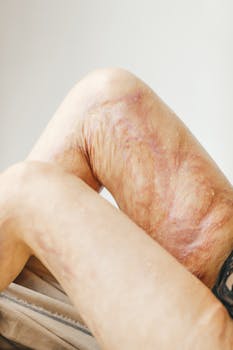
Liposuction involves the removal of fat through small incisions in the skin, which inevitably results in some scarring. Scars on the back may be particularly noticeable because this area can experience tension and movement that can affect healing. Understanding the types of scars and factors that influence their visibility is the first step in managing them effectively.
Types of Scars
There are several types of scars that can result from liposuction:
- Hypertrophic scars: These are raised scars that remain within the bounds of the original incision.
- Keloid scars: These can grow beyond the original incision, are more common in darker skin tones, and may require more intensive treatment.
- Atrophic scars: Indented scars that occur when the skin fails to regenerate enough collagen.
Tips to Minimize Lipo Scars on Your Back
Addressing lipo scars on back efficiently involves a combination of good aftercare and targeted treatments. Let’s explore some methods:
Proper Wound Care
Immediately after surgery, following your healthcare provider’s instructions for wound care is critical. This includes keeping the area clean, avoiding strain on the scars, and using any recommended ointments or bandages to protect the healing skin.
Silicone Gel Sheets
Silicone gel sheets have been widely studied for their effectiveness in reducing the appearance of scars. They work by providing hydration and pressure, which can soften and flatten raised scars over time.
Topical Treatments
Various topical treatments, such as creams containing vitamin E, retinoids, or glycolic acid, may help to smooth the skin and reduce redness. Always consult with a dermatologist to choose the most appropriate products for your skin type.
Massage Therapy
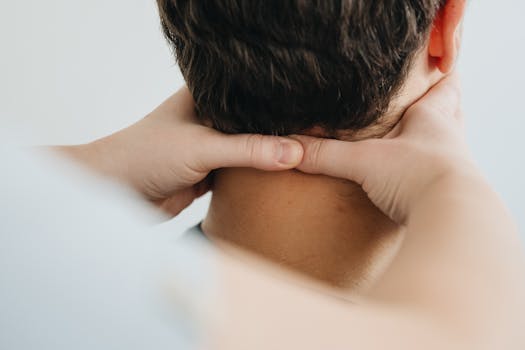
Gently massaging the scar tissue can improve circulation and help break down fibrous tissue. Regular massage with or without over-the-counter scar creams can support the process of healing and make scars less noticeable.
Consulting Dermatologists
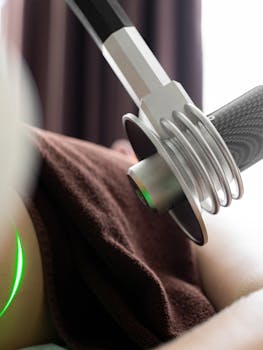
For persistent or severe scars, consulting a dermatologist is crucial. They may recommend treatments such as laser therapy, chemical peels, or microdermabrasion, which target deeper layers of skin and can effectively improve the texture and tone of scars.
Preventing Scars from Worsening
Protecting scarred skin from the sun is essential, as UV exposure can cause scars to darken and become more prominent. Using broad-spectrum sunscreen and wearing protective clothing can help prevent this.
Liposuction Information and Care Tips
For further information on liposuction and additional care tips, check out our comprehensive guide on liposuction and related FAQs on our site.
External resources like this detailed health overview can also offer useful context and additional insights into understanding your skin’s healing processes.
Final Thoughts on Lipo Scars on Back
While lipo scars on back can be concerning, there are numerous methods available to help minimize them. By integrating proper care, topical treatments, and professional advice, you can effectively manage your scars and enhance your skin’s appearance over time.
- Lipo scars can vary in type and visibility, but there are methods to minimize them.
- Proper wound care and silicone gel sheets are effective first-line treatments.
- Topical treatments and massage therapy can support healing and scar reduction.
- Professional dermatological treatments may be necessary for persistent scars.
- Sun protection is crucial to prevent scars from becoming more noticeable.
Do scars from liposuction ever fully disappear?
Scars from liposuction may fade significantly over time but might not fully disappear. Proper care from the beginning can improve their appearance.
Can silicone gel sheets be used on all skin types?
Yes, silicone gel sheets are generally suitable for all skin types and can be effective in reducing raised and hypertrophic scars.
Is massage therapy effective for all types of scars?
Massage therapy can be beneficial for many types of scars by promoting better circulation and breaking down scar tissue, but keloid scars may require more specialized care.
How soon after surgery can I start using topical treatments?
Always consult your healthcare provider, but most recommend waiting until the incisions are fully healed before applying creams or gels.
What professional treatments are most effective for stubborn scars?
Treatments like laser therapy, chemical peels, and microdermabrasion have shown good results for stubborn scars but should be discussed with a dermatologist before use.