The decision to undergo a facelift revision can be an important step for individuals looking to enhance or adjust the results of a previous cosmetic surgery. A revision facelift is often sought after if the initial surgery did not achieve the desired outcome or if changes have occurred over time. This article will explore the options and considerations involved in facelift revision, helping you make an informed decision about whether it might be right for you.
Understanding Facelift Revision
A facelift revision is a secondary procedure aimed at improving or refining the results of an initial facelift. It can address various concerns such as sagging skin, asymmetry, or unsatisfactory initial results. This type of surgery may involve tightening skin, repositioning tissues, or adjusting contours to provide a more youthful appearance.
The reasons for considering a revision facelift can vary. Some individuals experience changes over time due to aging or lifestyle factors that affect the skin’s elasticity. Others may not have achieved their aesthetic goals with the initial procedure. In both cases, a facelift revision offers an opportunity to tailor results more specifically to individual needs.
Considerations Before Undergoing Facelift Revision
Before deciding on a facelift revision, it is essential to consider several factors. Consulting with a qualified and experienced plastic surgeon is crucial to evaluate whether this procedure is appropriate for you. The surgeon will assess your skin condition, discuss your goals, and provide guidance on what to expect from the revision process.
It is also important to consider your health and medical history. Certain conditions or lifestyle choices, such as smoking or poor health, can affect the outcome of a revision surgery. Your surgeon will likely require you to be in good health before proceeding.
Financial considerations should also be taken into account. Facelift revisions can be costly, and it is important to evaluate your budget and any potential financial implications of undergoing another surgery.
Expected Recovery and Results
Recovery from a facelift revision will vary depending on the extent of the surgery. Generally, patients can expect swelling and bruising for a few weeks following the procedure. It is important to follow your surgeon’s post-operative care instructions to ensure the best possible outcome.
While a revision facelift can enhance and refine your appearance, it is important to have realistic expectations. Discuss potential outcomes with your surgeon and make sure you understand the possible risks and complications involved with the surgery.
Alternative Options to Facelift Revision
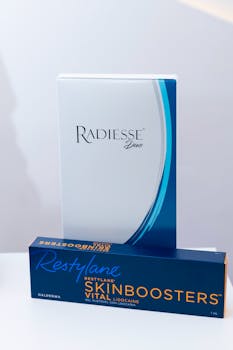
For some individuals, a revision facelift may not be the ideal solution. Non-surgical options such as fillers, laser treatments, or chemical peels may offer temporary improvements without the need for surgery. These alternatives can address minor concerns and may be considered as a less invasive option.
For a better understanding of how long facelift results can last and what factors affect longevity, you can explore our comprehensive guide on facelift results. Understanding the longevity of results is a crucial aspect when contemplating further surgical interventions.
Deciding on a Facelift Revision
Ultimately, the decision to undergo a facelift revision is a personal one that should be made after thorough research and consultation with a qualified professional. A revision can offer significant improvements and help achieve a more youthful appearance, but it’s essential to weigh the potential benefits against the risks and costs involved.
Consulting with multiple surgeons can provide different perspectives and help ensure you choose the best option tailored to your needs. As always, ensure that you thoroughly understand the procedure, recovery, and potential outcomes before making a decision.
For more detailed information on facelift surgeries and their outcomes, you might find it useful to read reputable sources such as this article on Wikipedia.
Takeaways
- A facelift revision can enhance or adjust initial facelift results.
- Consider health, budget, and surgeon qualifications before proceeding.
- Recovery times vary; follow post-operative care instructions closely.
- Non-surgical options exist for mild improvements.
- Consult multiple surgeons for informed decision-making.
Frequently Asked Questions
What is a facelift revision?
A facelift revision is a secondary surgery to refine or improve the results of an initial facelift. It aims to address concerns such as sagging, asymmetry, or dissatisfaction with the original outcome.
Who is a good candidate for a revision facelift?
Individuals who are in good health and have specific concerns about the results of their initial facelift might be suitable candidates. Consulting with a qualified surgeon is essential to determine candidacy.
What are the risks of facelift revision?
Potential risks include infection, scarring, or unfavorable results. Discussions with your surgeon can help mitigate risks and ensure you are informed about the procedure.
How long does it take to recover from a revision facelift?
Recovery times vary, but generally, swelling and bruising can last for several weeks. Full recovery might take a few months, depending on the individual’s healing process and the extent of the surgery.
Are there alternatives to facelift revisions?
Yes, non-surgical options like fillers, laser treatments, and chemical peels can offer temporary improvements with less invasive procedures. These are typically suitable for addressing minor concerns.