If you have a tattoo you regret, you may wonder, “does insurance cover laser tattoo removal?” It’s a common question, especially as this procedure becomes more popular for those seeking to remove tattoos for personal or professional reasons. The answer, however, is not straightforward and often depends on your insurance provider and your specific situation.
Does Insurance Cover Laser Tattoo Removal?
In general, most health insurance plans do not cover the cost of laser tattoo removal. This is because it is typically considered a cosmetic procedure, which health insurance policies usually exclude from coverage. However, there are specific circumstances where some insurers might cover the procedure, often when it is medically necessary.
Understanding Medical Necessity
The term “medically necessary” refers to procedures required to treat a medical condition. In cases where a tattoo could be causing significant health issues, such as an allergic reaction or infection, insurance might consider covering the removal. Still, clear documentation from a healthcare provider is usually needed.
Consulting with Your Insurance Provider
If you believe there is a medical reason for your tattoo removal, the first step is to consult your insurance provider. They can inform you about their specific policies and what documentation you may need. It’s also a good idea to discuss your situation with your healthcare provider to see if they can provide the necessary medical documentation.
Other Considerations for Coverage
Beyond medical necessity, some employers or organizations might cover laser tattoo removal if the tattoo is visible and goes against certain standards or norms associated with professional appearance. However, this is more common in specific industries and less related to insurance policies.
For more information on how other insurance-related procedures are covered, visit our article on insurance coverage for medical procedures.
Average Cost of Laser Tattoo Removal
On average, laser tattoo removal can cost anywhere from $200 to $500 per session, and you may require multiple sessions to achieve the desired results. The total cost depends on factors like the size, color, and age of the tattoo, as well as the clinic’s location and expertise.
What to Expect During the Procedure
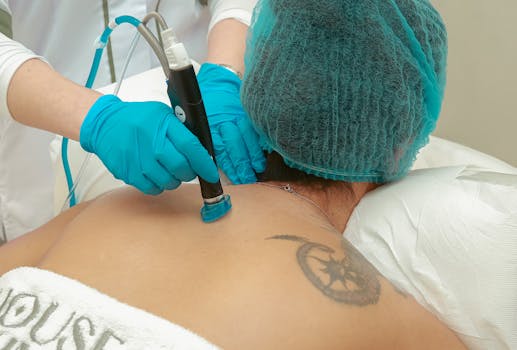
Laser tattoo removal involves using a high-intensity laser beam that breaks down the pigment colors of the tattoo. Black pigment absorbs all laser wavelengths, making it the easiest to treat, while other colors can only be treated by selected lasers based on pigment color.
Finding a Qualified Specialist
It’s crucial to find a qualified and experienced specialist for your tattoo removal. Look for licensed dermatologists or practitioners with significant experience in laser procedures. Conduct thorough research and read reviews before making your choice.
For a general understanding of healthcare and medical topics, you can visit resources like the Wikipedia page on health.
Knowing whether does insurance cover laser tattoo removal can guide your decision-making process. It’s essential to weigh your needs, possible coverage, and available financial options carefully before proceeding with the removal.
- Most insurance plans do not cover laser tattoo removal as it’s often considered cosmetic.
- Medical necessity might warrant coverage, but requires documentation.
- Costs can vary widely and depend on several factors, including tattoo characteristics and location.
- Finding a qualified specialist is crucial for safety and effectiveness.
- Consult your insurance provider for guidance on potential coverage options.
Is laser tattoo removal painful?
The level of pain experienced during laser tattoo removal varies from person to person. Most individuals describe it as similar to having a rubber band snapped against the skin.
How many sessions are required for complete removal?
The number of sessions needed can range from five to ten or more, depending on factors such as tattoo size, color, and depth.
Can all colors be removed equally well?
Black tattoos respond best to laser treatment since black pigment absorbs all wavelengths. Other colors, such as greens and blues, can be more challenging and might need specialized lasers.
Is there a recovery period after each session?
Yes, there is typically some redness, swelling, and soreness following each session, lasting a few days. It’s important to follow aftercare instructions to ensure proper healing.
Are there risks associated with laser tattoo removal?
While generally safe, there are some risks, including scarring, infection, and changes in skin texture or color. Consulting with a qualified professional is crucial to minimize these risks.